Commercial Roofing in Totowa, NJ
Commercial roof repair and replacement in Totowa, NJ, with access, delivery and drainage details set against each building's approved scope.
Totowa
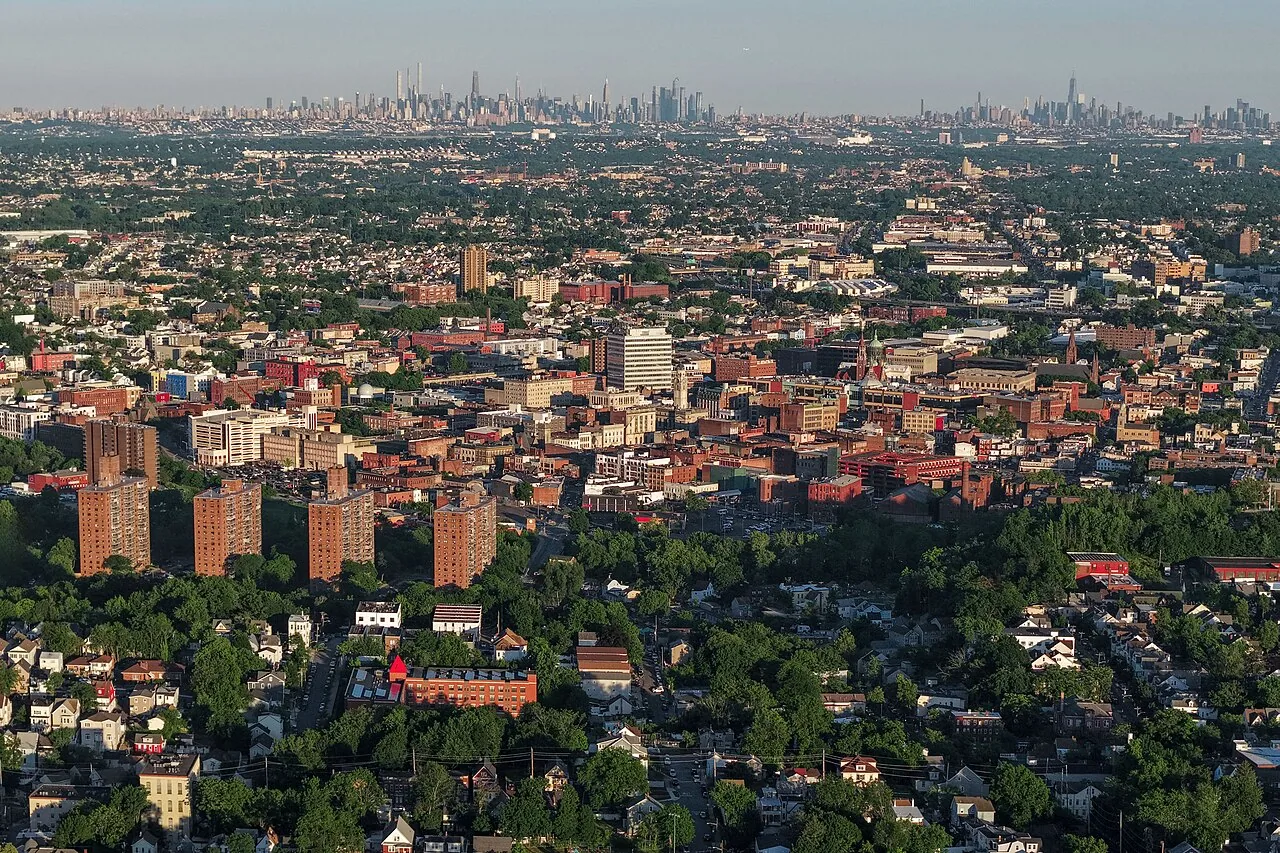
Material staging along a narrow route can change the labor and close-out plan even when a roof repair is straightforward. We confirm how the crew reaches the work area, where materials may be placed and what ground-level movement must remain clear before pricing mobilization. Totowa, NJ, is crossed by Interstate 80 and US Route 46, with local roads including Union Boulevard and Riverview Drive. Those routes help orient service planning. The specific building, its access rights and any receiving limits are checked with the property manager before the work date is set.
We inspect the roof system at the leak or wear location, then look beyond the visible mark to the connected seam, penetration, edge or drainage point. A patch is appropriate only when the surrounding surface can receive it and the connection can be finished. If wet insulation, loose attachment or deteriorated substrate may be concealed, we identify a controlled test or opening and price it separately. The owner receives a decision point before removal can expand, with photographs and a clear statement of what was visible from the outset.
Each Totowa property receives a scope tied to its use and roof condition. We record membrane type, transitions, curbs, drains and areas that could not be accessed. An inspection record can establish priorities for repair or renewal. If the roof contains several systems, a repair scope for the affected detail identifies compatible material and the boundary that can be completed without replacing sound neighboring areas. Where the owner needs service urgently, response is available at any hour, on weekends and holidays, with immediate protection kept distinct from permanent correction.
Interstate access: Confirm the last mile to the roof
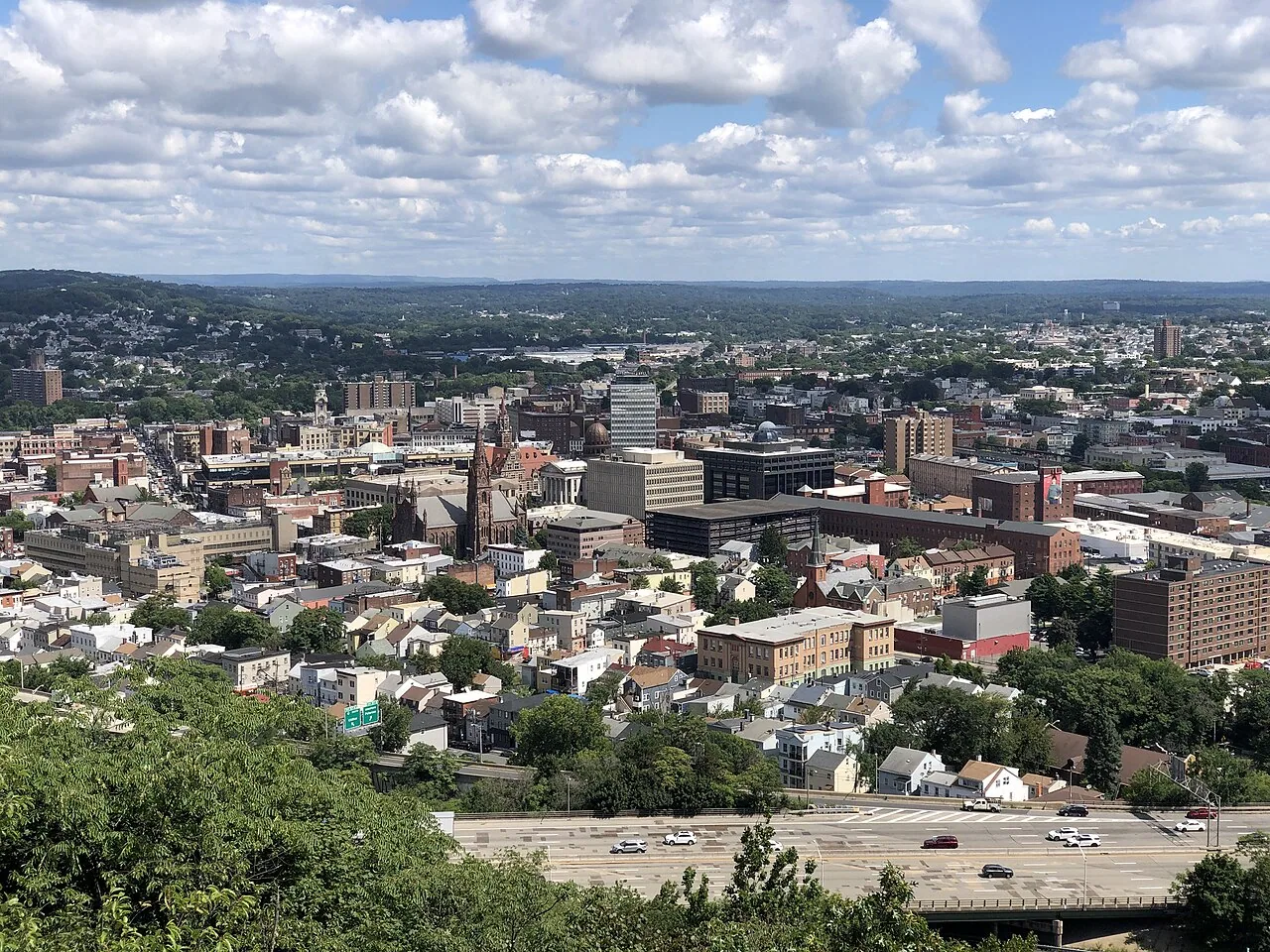
Interstate 80 and US Route 46 pass through Totowa, but the highway connection is only one part of a roofing delivery. The truck route, turn area, gate, overhead clearance and staging permission vary by property. We ask the owner or site contact to confirm where a delivery vehicle can stop and whether a lift or hoist needs a separate authorization. The proposal states the access basis for the crew and materials, so an unavailable loading area does not become a surprise after mobilization.
Union Boulevard and Riverview Drive serve local movement through the borough. They may help orient a property location, but neither road tells us whether a building has a loading dock, roof hatch or safe ladder location. A field visit confirms the actual access. For an occupied structure, we identify how tools cross the property, where workers can stage and what protection is needed below. Occupied-building phasing can fit roof work to the building schedule, and replacement planning accounts for the delivery and tear-off sequence in addition to new membrane. These logistics belong in the approval because they affect cost and duration.
Public and community buildings: Coordinate the approved area
Totowa's municipal recreation facilities include buildings used by the Totowa Police Athletic League. That civic context can involve scheduled activities and public access, but it does not establish the condition, roof type or hours of any facility. We confirm the building and the area authorized for inspection with its representative. Before work begins, ownership identifies active routes, times when people gather nearby and whether notices or temporary barriers are required. The roofing crew then protects the work zone and follows the approved access plan.
A roof concern above a recreation room or office can have several possible paths. Water may enter at a roof seam, wall transition, vent or drain and travel before it becomes visible indoors. We compare the interior evidence with roof-side observations and document what supports the repair. If the source remains uncertain, the report identifies what a test opening or infrared screening could establish. Infrared moisture screening is one tool for mapping a suspected wet area, with confirmation performed at the roof. The inspection remains specific to the authorized property and does not imply work history or prior access at a named facility.
Drainage and seams: Price the connection that failed
Water that remains after a storm may point to a blocked drain, a low section, an open seam or more than one condition. We inspect the roof's slope, outlets, sumps and membrane at each likely route. The location of a ceiling mark is not enough to assign cause. A drain can function while a nearby flashing fails; a membrane can be sound while an obstruction prevents drainage. The report records the connected findings and specifies what further check would separate them if the evidence is incomplete.
When a seam is open, we inspect both sides of the lap and the field around it. The repair needs compatible materials, a prepared surface and a tie-in that remains closed at the edge. If the roof is older or has several layers, we determine whether the receiving surface can support the repair before installing a patch. A seam-failure repair addresses the separation; drain and scupper work corrects the outlet connection when that is the demonstrated problem. The owner can approve the detail found rather than authorizing broad membrane replacement based only on the word leak.
Retain or remove: Include the edge consequences
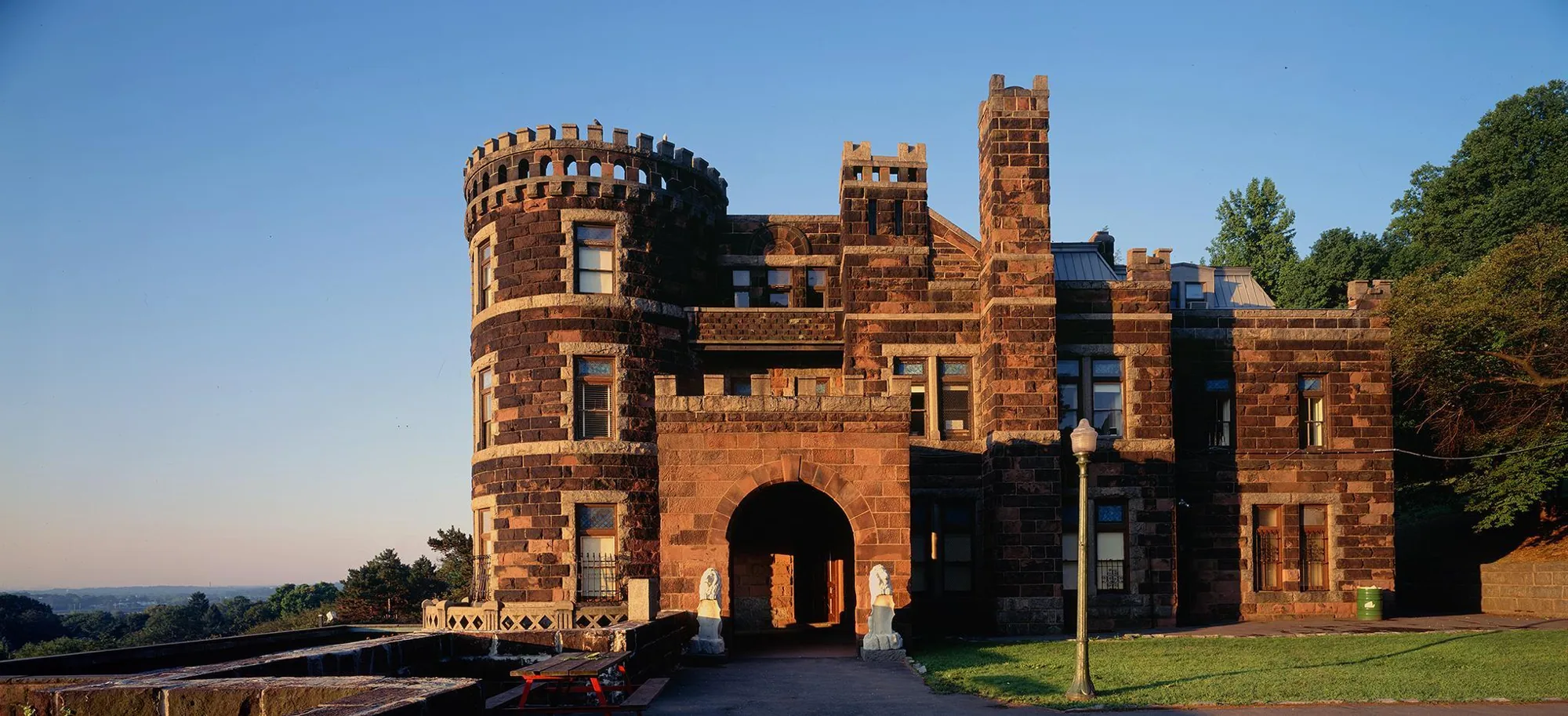
A recover keeps existing material in place only when its condition supports the new assembly. We check moisture, attachment, surface compatibility and added height. A new layer can raise a drain, reduce curb clearance or change the perimeter tie-in. Those components need a plan before an overlay is priced as complete work. If the substrate is wet or the existing membrane cannot receive the proposed material, removal may be the more reliable route. The comparison identifies that condition and the material assumed to remain.
Replacement should include more than the field membrane. Removal and disposal, substrate repairs, insulation, cover board, attachment, edge metal and flashing can all affect the final scope. A roof recover assessment tests whether retention is viable, while a TPO assembly can be considered when the building and details support it. Coatings need a compatible, sound surface and do not replace wet insulation or repair an unstable transition. Passaic business districts and Clifton's office and retail properties raise their own access considerations; each Totowa roof is evaluated against its actual use, materials and owner decision.
Approval and close-out: Show what changed
The approval record should identify the roof zone, material, preparation, protection and the limit of the authorized work. If removal exposes a condition that was not visible during inspection, the crew photographs it and pauses at the defined release point. Ownership receives the additional quantity and cost driver before expanding the scope. A temporary cover can control immediate entry while that decision is pending, but its location and remaining permanent work must be clear in the record.
At completion, we document the tie-in, edge, drain or penetration that was repaired and note any area outside the contract. If rooftop equipment or another trade remains a dependency, the file states what has to happen next and who confirms it. Written condition reporting keeps findings with the building's roof history. Owners with other Passaic County properties can coordinate inspections without mixing their separate assemblies or repair records. That lets a property manager compare the cost of an immediate repair with a later roof renewal using the same known conditions and approval boundary.
Commercial Roofing Questions
Does highway access make a roof replacement faster?
Not by itself. We confirm the actual truck route, staging rights, lift needs, roof access and close-out sequence at the property before setting the work duration.
Can you inspect a municipal recreation building?
Access is coordinated with the property representative, including inspection authorization and any activity schedule. The approved work area alone sets the scope.
What does an infrared survey tell the owner?
It can help identify a suspected moisture pattern under suitable conditions. We confirm material and readings at the roof and define any opening required before pricing removal.
Is a recover always less disruptive than tear-off?
Coating limits removal only when the existing roof accepts the new material. We inspect moisture, adhesion and edge heights, then compare preparation with tear-off and renewal.
How do you handle a surprise beneath the membrane?
At the agreed release point, the crew pauses and documents the exposed material. Ownership receives a price for the added work before the original repair boundary expands.
Confirm the route and repair boundary
Provide the Totowa property, affected roof area, access contact and approval date. We will record delivery assumptions, inspect the receiving layers and price the confirmed work separately from any concealed condition.