Manufacturing Plant Roofing in Paterson, NJ
Repair manufacturing roofs in Paterson with process-equipment coordination, concealed-layer checks and measured removal scopes clarifying owner cost decisions.
Manufacturing Plant Roofing
Wet insulation found behind a process-equipment curb changes the owner’s removal decision before a retained-roof option is approved. The affected layer boundary needs investigation, with access to the curb and the equipment task coordinated before permanent closure. In Paterson, NJ, we assess manufacturing plant roofing at the assembly and operating connection involved. The proposal separates suitable retained material from construction needing removal, so the funding decision reflects the roof exposed rather than a surface repair that leaves the same damp layers underneath.
Manufacturing roofs can have equipment, piping and occupied areas that require a specific sequence for repair or renewal. We establish those actual conditions with the building representative, then identify the detail and receiving work to be priced. Where concealed moisture needs investigation, the scope defines the checks and restoration. Ownership receives the construction consequence and the service period needed, allowing production requirements and roof approval to be coordinated around a measured task instead of a general shutdown assumption.
Affected equipment: Arrange the access needed for closure
A unit serving a production space can restrict access to the flashing or receiving curb. We identify the roofing task and coordinate required movement or isolation with the equipment service provider. The representative establishes the operating period available and any temporary service arrangement. The allowance should show those responsibilities before the roof detail is opened, so permanent reconstruction can proceed through the connection rather than stop at equipment whose service task remains unarranged.
New piping or equipment additions also need a weather detail suited to the retained roof. We discuss receiving material, support and clearance before the component is positioned. Curb and equipment support work may involve separate structural or mechanical assessment. Ownership receives those dependencies with the roofing quantity, allowing each trade’s task to be coordinated before the component obstructs preparation. A completed equipment installation should leave the permanent roof connection reachable and defined, not postpone its construction until the operating unit makes access difficult.
Layer boundary: Establish what remains serviceable
An opening beside the affected curb may reveal moisture extending beyond the visible defect. We examine the layers and define removal that reaches suitable adjoining material. The repair includes the supporting base and a compatible closure, with any deck concern identified for additional assessment. Ownership receives photographs and measurements supporting the changed quantity before permanent material is installed, rather than preserving an initial local allowance after the exposed assembly has shown it to be incomplete.
A wider moisture or attachment concern can change the choice between retained construction and tear-off. We identify investigation required to compare those options and describe restoration of its openings. Recovering suitable existing roofing needs retained-layer condition, attachment, code requirements and available detail height assessed. The owner can then compare the complete material and removal scope for each option, with uncertainty addressed through a specific construction check rather than a generalized allowance that leaves the affected assembly unresolved.
Equipment discharge: Separate roofing from the operating cause
A deposit near a process outlet can affect preparation and the receiving membrane. We examine the surface and discuss the discharge arrangement with the building representative and service trade. The roofing repair needs compatible material and suitable preparation, while equipment correction has its own responsibility. Ownership receives that distinction before approval, allowing the work to address continued exposure as well as the damaged roof detail rather than repeatedly treating the surface without considering the operating condition beside it.
Material selection should suit the roof assembly and the exposure established for the requested property. A PVC roof construction option is considered with its preparation, seam and detail requirements, not selected from a broad claim about any industrial discharge. The proposal identifies the receiving work and the tasks needed for a permanent weather connection. If another system or a contained repair is suitable, its full construction is described as well, giving ownership a comparison grounded in the material and equipment condition found.
Occupied production: Define the removal and protection stage
A roof opening above active equipment can need interior protection and access before deck examination proceeds. We agree on the affected zone with the representative and identify the operation requiring adjustment. Material handling and removal routes also need to be suitable for the property’s activity. Those arrangements are included in the working sequence before exposure, allowing ownership to coordinate the specific task rather than being asked to prepare the entire plant without a defined roof area or construction period.
Phased renewal around occupied space links removal with the receiving work and permanent details needed for closure. A stage containing several curbs may require a different period from an open field area. We identify the separate trade and design tasks that could change that sequence. Ownership receives the approval point for additional construction exposed during removal, along with protection while it is arranged. The stage is then a workable roof boundary, not simply a portion of field material selected without its connection and operating dependencies.
Local stock: Coordinate the requested industrial property
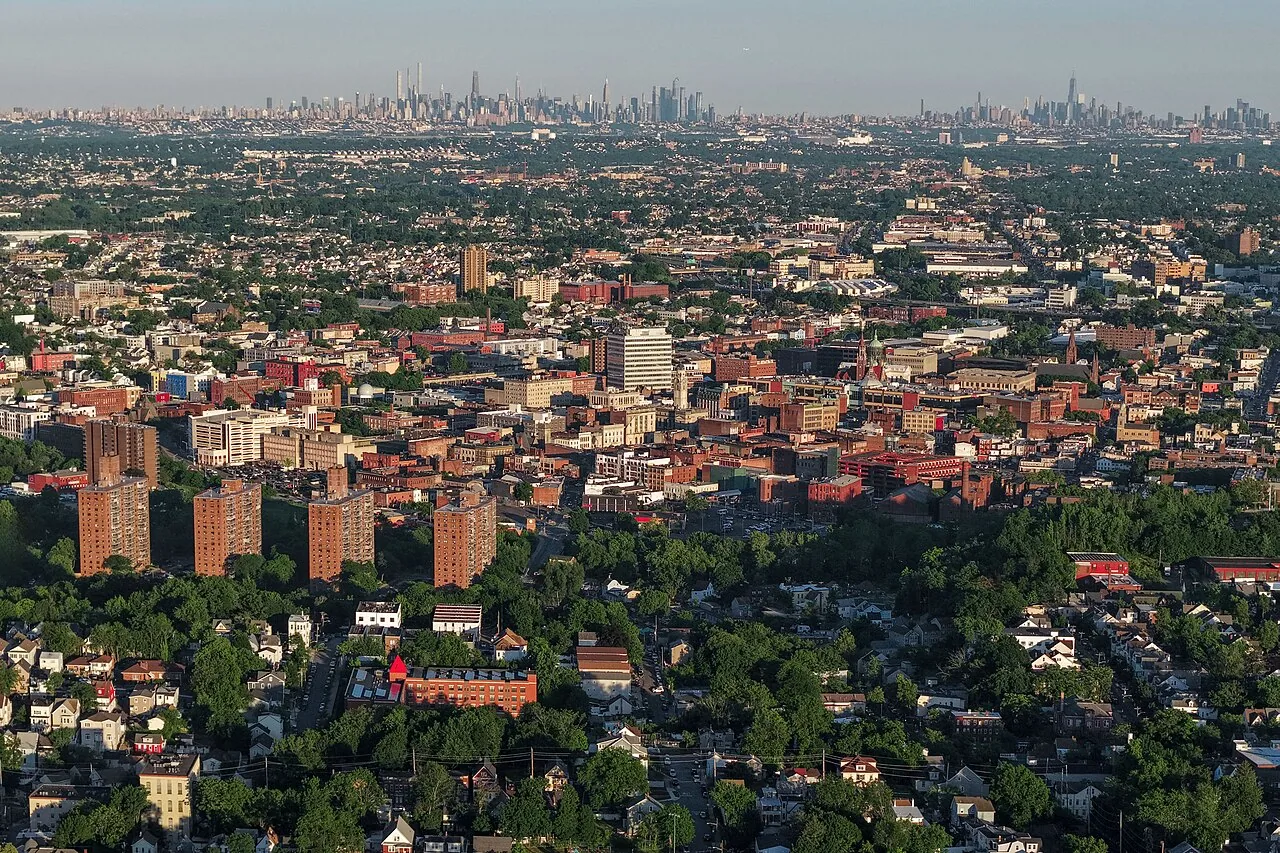
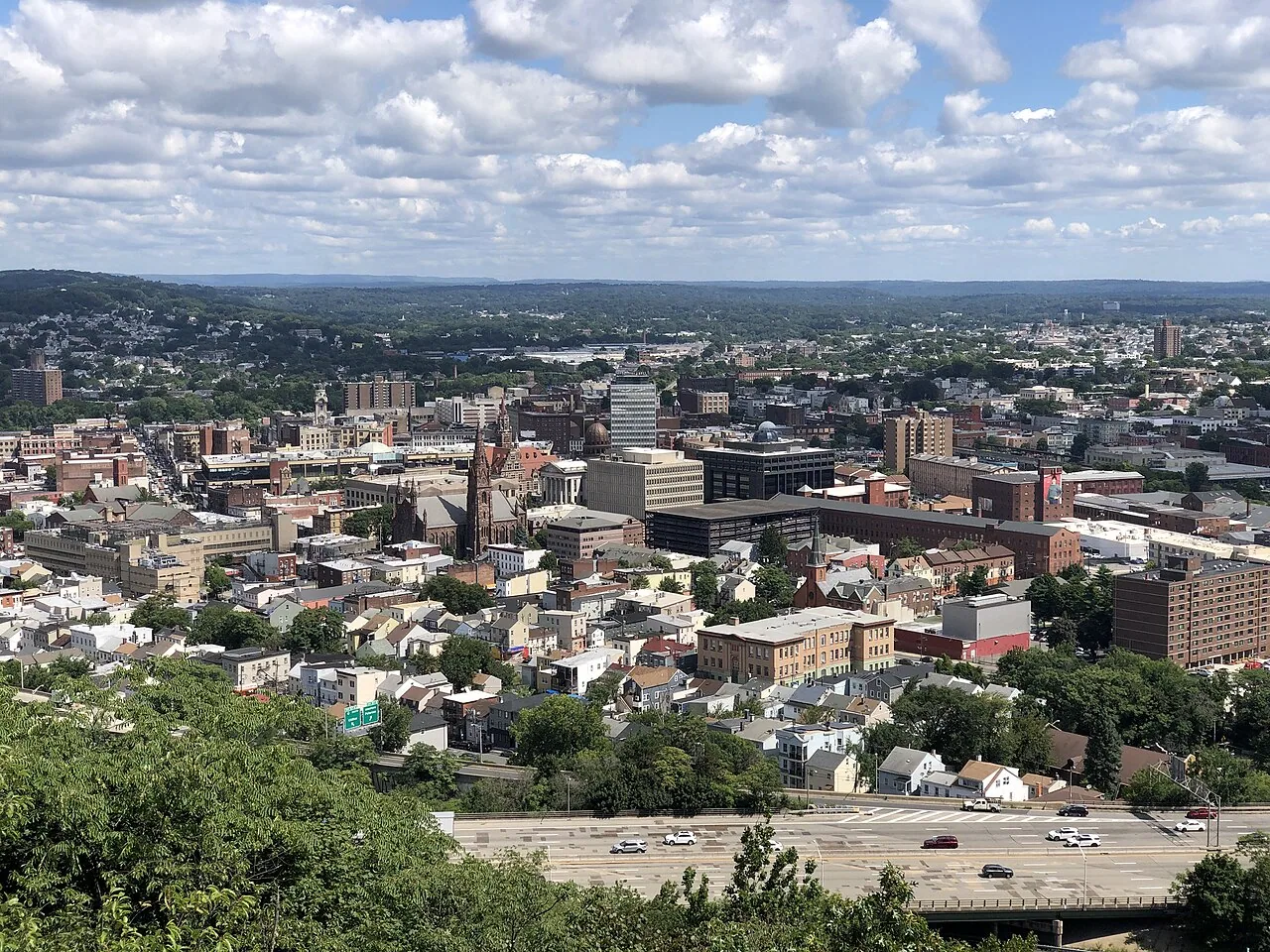
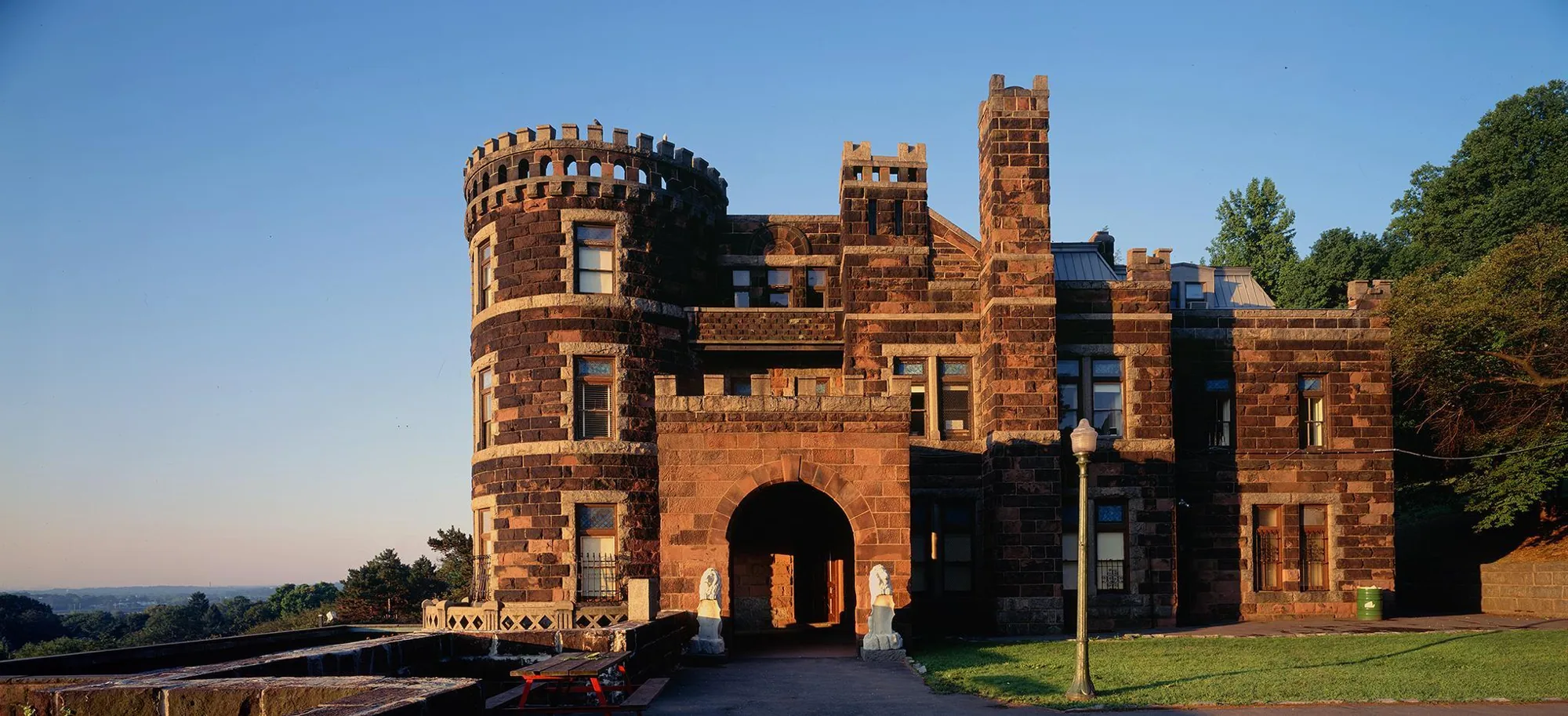
Light manufacturing remains part of Paterson’s economy, and former brick mill buildings are undergoing preservation and reuse. At a requested industrial property, wall transitions, equipment access and retained-layer information influence the roofing allowance. We establish those actual receiving conditions before selecting repair or renewal. Work at a flex-industrial building may involve different interior and equipment arrangements from a production facility or an occupied warehouse arrangement. The scope identifies the operation affected.
Fair Lawn has the McBride Industrial District close to Glen Rock, and Little Falls has industrial buildings included in the FairFalls portfolio. At a requested building in Riverside, the roof route and equipment service requirements are agreed with the representative before work is scheduled. The construction allowance identifies access and protection needed for the affected component. Ownership can coordinate the property’s activity with a complete receiving and closure sequence, with the roof layers and equipment dependencies examined before permanent closure.
Repair approval: Track quantity and return to service
A finished membrane field does not close a process curb whose termination or equipment connection remains incomplete. We identify the permanent roofing details and separate trade tasks needed before the area is released. The handover distinguishes interim protection from construction completed at the affected assembly. Ownership can then coordinate normal equipment activity with the real closure point, rather than relying on the appearance of new material to decide that every component in the stage is ready.
For wider renewal planning, the roof expenditure comparison uses the condition found and the work required for each option. Retained areas, new layers and remaining concerns are identified so later repairs can be coordinated with that information. We also discuss access and compatible connections for future equipment alterations. Ownership receives a practical basis for maintenance and another funding decision, preserving the distinction between keeping a repaired assembly serviceable and addressing a new process change or broader deterioration that requires further construction.
Commercial Roofing Questions
Can wet layers beside a process curb change an overlay decision?
Unsuitable retained material needs assessment and removal where required. We investigate its boundary and the receiving condition for closure. Ownership receives those quantities before a recover is approved, with the broader assembly requirements assessed for the proposed retained-roof option.
Who coordinates equipment isolation needed for flashing work?
We identify the roofing task and access dependency, then coordinate the period with the representative and equipment service provider. The mechanical responsibility remains separate from the roof quantity. Permanent construction proceeds through a sequence that includes suitable reinstatement of the affected component.
Why should equipment discharge be assessed alongside the membrane repair?
Continued exposure can affect preparation and the completed detail. We examine the roof surface and identify the equipment responsibility where correction is needed. Ownership can authorize compatible roofing work and the operating change as connected tasks instead of repeating the same local treatment.
What determines whether a production area can return to its normal arrangement?
The required roof connections and associated trade tasks need completion. We identify any interim protection or unresolved receiving component in the handover. The representative can then coordinate access and equipment service with the actual area ready for release.
Define the process curb and removal decision
Send the building location, affected roof or equipment connection, operating limits and approval date. We will assess retained layers, access and closure responsibilities, then price the manufacturing property’s repair or renewal scope.