Commercial Roofing in Downtown Paterson, NJ
Repair and plan commercial roofs in Downtown Paterson with scopes tied to access, drainage, occupied space and the condition found at each detail.
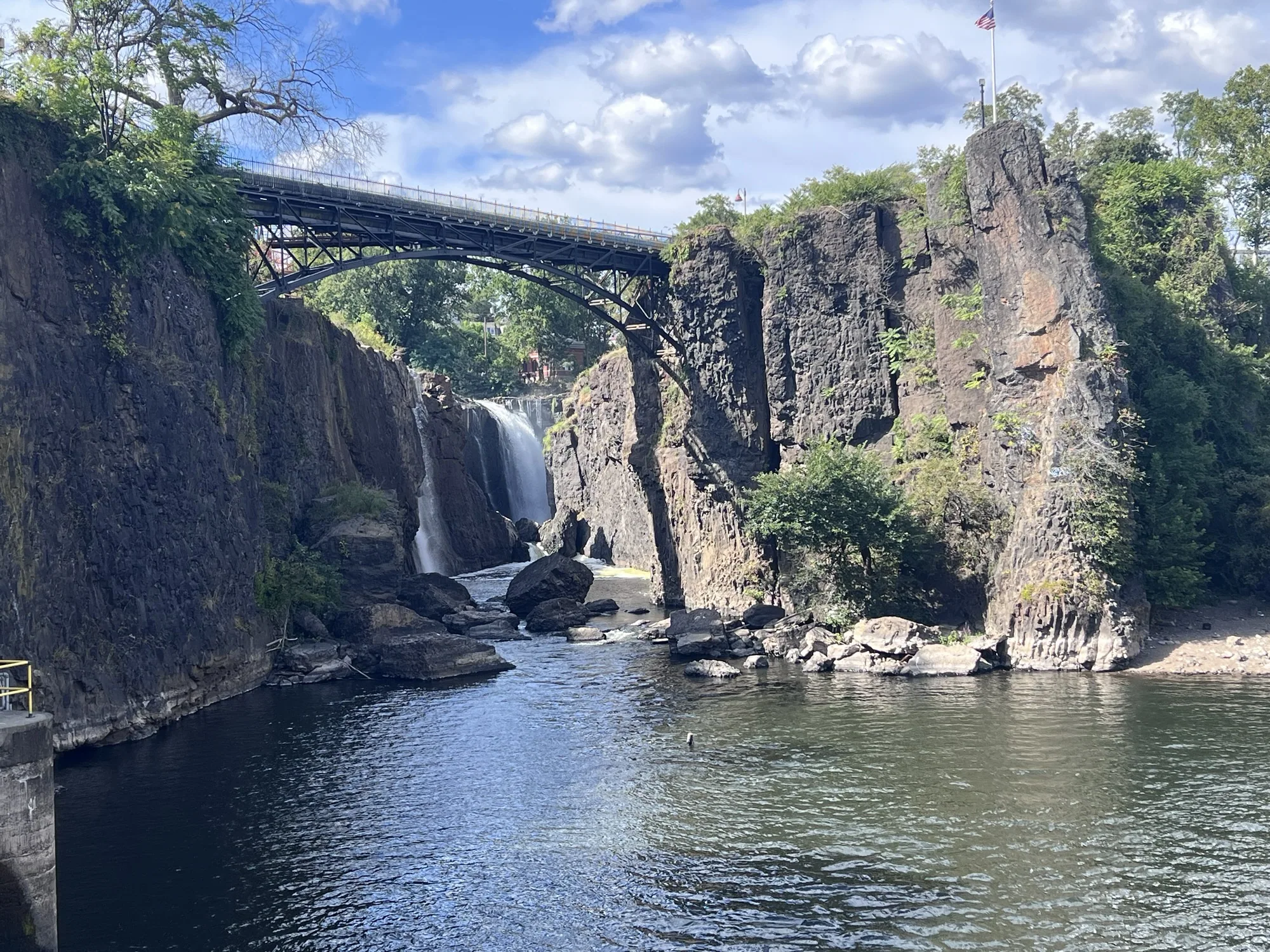
Downtown Paterson
A loose coping joint above a storefront can become an approval decision before water reaches the tenant space. We trace the visible opening to its receiving edge, then separate the immediate repair from any broader roof work that the inspection supports. Downtown Paterson, NJ, has a central business district near the Passaic River, with commercial activity along Main Street and Market Street. Those active blocks make entry, loading, pedestrian protection and work timing part of a useful roofing scope, not details to settle after the crew arrives.
Our first task is to identify the roof assembly, the point where water can pass, and the materials that must receive a repair. A field membrane may remain serviceable while its flashing, drain, curb or edge connection has failed. We document the affected area, photograph the conditions and explain what can be priced now. Where hidden layers may change the repair boundary, the proposal names that opening as a separate decision. That gives ownership a clear approval limit without treating one leak as proof that the entire roof needs replacement.
Downtown properties can include older commercial buildings, offices, shops and occupied upper floors. Paterson retains tall brick mill buildings and other former industrial properties undergoing preservation and adaptive reuse. The downtown commercial historic district spans parts of several streets. A roofing plan must respect the actual building and any preservation review that applies. We coordinate access and protection around the work area, then set the sequence according to the roof condition, material delivery and the business operating below. A commercial roof inspection establishes which details require repair, further investigation or planned renewal. We then define a contained repair scope around the affected material. In nearby Riverside, mixed residential and industrial uses make access a separate condition to confirm with ownership.
Older commercial roofs: Investigate the receiving layers
Older masonry construction can conceal transitions that are not visible from the roof surface. A new membrane cannot make an unstable wall termination or deteriorated receiving surface reliable. We examine accessible perimeter details, penetrations, drains and roof-to-wall connections before assigning a repair method. If the existing assembly is layered or a deck condition cannot be established without opening it, the report identifies the location and the next test needed. This keeps an assumption about hidden material from becoming an unpriced tear-off task during construction.
Historic context does not tell us the roof's age, membrane type or present condition. Each roof is inspected as found. For a building subject to preservation requirements, owner approvals and design review may affect the selected assembly, colors, edge treatment or timing. We can document the roofing conditions and coordinate our scope with the approvals supplied by ownership, while keeping the roof work distinct from architectural decisions outside the roofing contract. Office-building roof planning accounts for occupied space and equipment access; modified bitumen repair and renewal depends on the existing layers and the compatibility of the proposed material. South Paterson has a Main Street concentration of restaurants, grocery stores and retail outlets, so its commercial blocks can require a different access sequence. The field observation, not the building's history, determines the recommendation.
Drainage: Follow the route beyond the ceiling mark
A ceiling stain records where water appeared inside, not necessarily the roof opening above it. Water can travel along a deck, wall or insulation before becoming visible. We look for a connected path: wet insulation, a split seam, failed flashing, an open curb corner, blocked drainage or a detail that moves differently from the surrounding field. If more than one plausible entry point exists, we identify what observation or test would distinguish them rather than expanding the repair by guesswork.
Downtown's river-adjacent setting is a geographic fact, not a substitute for measuring slope, drain condition or roof performance. The drainage review is specific to the building. We inspect low points, strainers, sumps and scuppers, then note whether water has a clear route off the roof. Standing water can expose weak seams and details to longer wetting, but the repair depends on why it remains. A ponding-water assessment can separate a drainage obstruction from a slope or assembly problem. We may recommend clearing and observing a drain, correcting a local transition or investigating a wider area. The written scope ties each action to the physical condition found.
Repair or renewal: Price the actual boundary
A local repair is a sound choice when the surrounding assembly can receive compatible material and the affected area is defined. We remove or prepare only what is needed to reach a stable bond, correct the failed detail and close the tie-in. A repair is not a useful allowance if it excludes wet layers or the edge needed to make the connection. When exploratory opening may reveal additional damage, we price the known work and identify the concealed condition that would change it. The owner then approves an expansion based on a documented finding.
Replacement enters the comparison when deterioration is widespread, repeated repairs no longer address the same failures, or the assembly cannot support a reliable restoration. A replacement scope accounts for removal, receiving substrate, insulation, attachment, flashing and terminations. A recover may be possible only after the existing layers are shown suitable, dry enough and compatible with the proposed assembly. A roof recover comparison sets out that condition and any added height at curbs, doors or drains. We explain the material and labor included in each path, so a lower field price is not mistaken for a complete construction amount.
Timing: Protect the opening before weather arrives
Weather changes the work sequence when a roof is opened. The crew needs a defined area that can be prepared, repaired and closed within the available conditions, plus a plan for any material that must be staged in advance. We check the forecast for the work window and specify temporary protection if the permanent repair cannot be completed at once. That temporary measure is described by location and purpose, with the remaining exposure noted for the owner. It is not counted as a completed permanent repair.
Paterson's surrounding communities have documented heavy rain and snowfall, though the recorded figures belong to the named observation locations rather than every downtown roof. The relevant engineering question is the assembly's own drainage, attachment and condition. An open seam or incomplete flashing can admit water during rain; a saturated roof can also be harder to repair until it dries. Emergency roof response is available at any hour, any day, and starts by making the affected area safer and limiting further entry. We then document the permanent work still required. A written sequence helps the building manager coordinate access and occupant communication without promising that conditions beyond the work zone have been resolved.
Commercial Roofing Questions
A shop ceiling shows water after rain. What do you price first?
We inspect the roof above and trace the likely water path, then price the confirmed flashing, seam or drainage repair. If a small opening could reveal wet insulation, we identify that allowance separately before it changes the scope.
Can you schedule work without blocking a downtown entrance?
We review the roof access and the entrance below before setting a work window. The proposal identifies protection and staging needs; the property representative confirms any street or pedestrian controls that are required.
Does a mill building need the same replacement assembly as a newer office?
No. The existing deck, retained layers, wall transitions and applicable preservation review determine what can be installed. We document the receiving conditions before comparing assemblies.
When should ownership consider replacing rather than patching?
We compare the spread of deterioration, repair history and ability of the current roof to receive reliable work. A defined leak may support repair; widespread failure or unsuitable layers can shift the decision toward renewal.
What if wet material appears after approval?
We stop at the agreed release point, photograph the opening and explain the added removal or drying work. Ownership approves a priced change before concealed conditions expand the authorized work.
Set a clear approval boundary
Share the downtown building, roof concern, access window and decision date. We will inspect the affected details, document the repair boundary and price any opening that could change the scope.