About Commercial Roofers Paterson
Commercial Roofing in Paterson
A roof proposal should make the next ownership choice clear. Commercial Roofers Paterson inspects, repairs, restores, maintains and replaces commercial roof assemblies. We start with the condition at the building, not a preset recommendation. The first review identifies the roof area, visible failure, operating constraint and decision date. A defined commercial roof inspection can support a repair authorization, maintenance plan or larger funding discussion.
Findings Before Recommendations
We look at the field, seams, penetrations, edges and drainage, then document the conditions that affect the requested work. A stain below a roof is a reason to investigate, not enough to specify a roof replacement. The report links photographs to areas and explains whether the assembly appears repairable, needs an opening or calls for a larger renewal evaluation. In Paterson, tall brick former mill buildings and other properties undergoing adaptive reuse can make layers, attachment and access important questions, but every roof is inspected on its own.
Before recommending a path, we ask what ownership needs the roof to do over the next approval period. A short leak repair, a phased section renewal and a full tear-off carry different access, protection and funding implications. The recommendation should show those differences in work terms, including roof areas affected and the date the price assumes. That gives the owner a meaningful comparison instead of a general statement that one option is best.
Included Work and the Release Point
Our repair scope names the material and area included. It also says what observation could change the price. If an opening reveals wet insulation or deteriorated substrate, the work pauses at the priced release point while we document the condition and provide an additional cost for approval. This boundary protects the owner’s decision from an open-ended allowance. For an active leak, emergency roof service can protect an opening while the permanent repair is assessed, with temporary work and restoration priced distinctly.
Photos support a decision only when they can be tied back to a location and a scope. We identify the roof area, describe the visible material and record the defect or detail that needs attention. Where a photograph cannot confirm layers below the surface, the report says so. If a test opening could change the work, we identify its proposed location, removal boundary and separate allowance for approval. This keeps observed conditions distinct from assumptions.
Plan Around the Property in Use
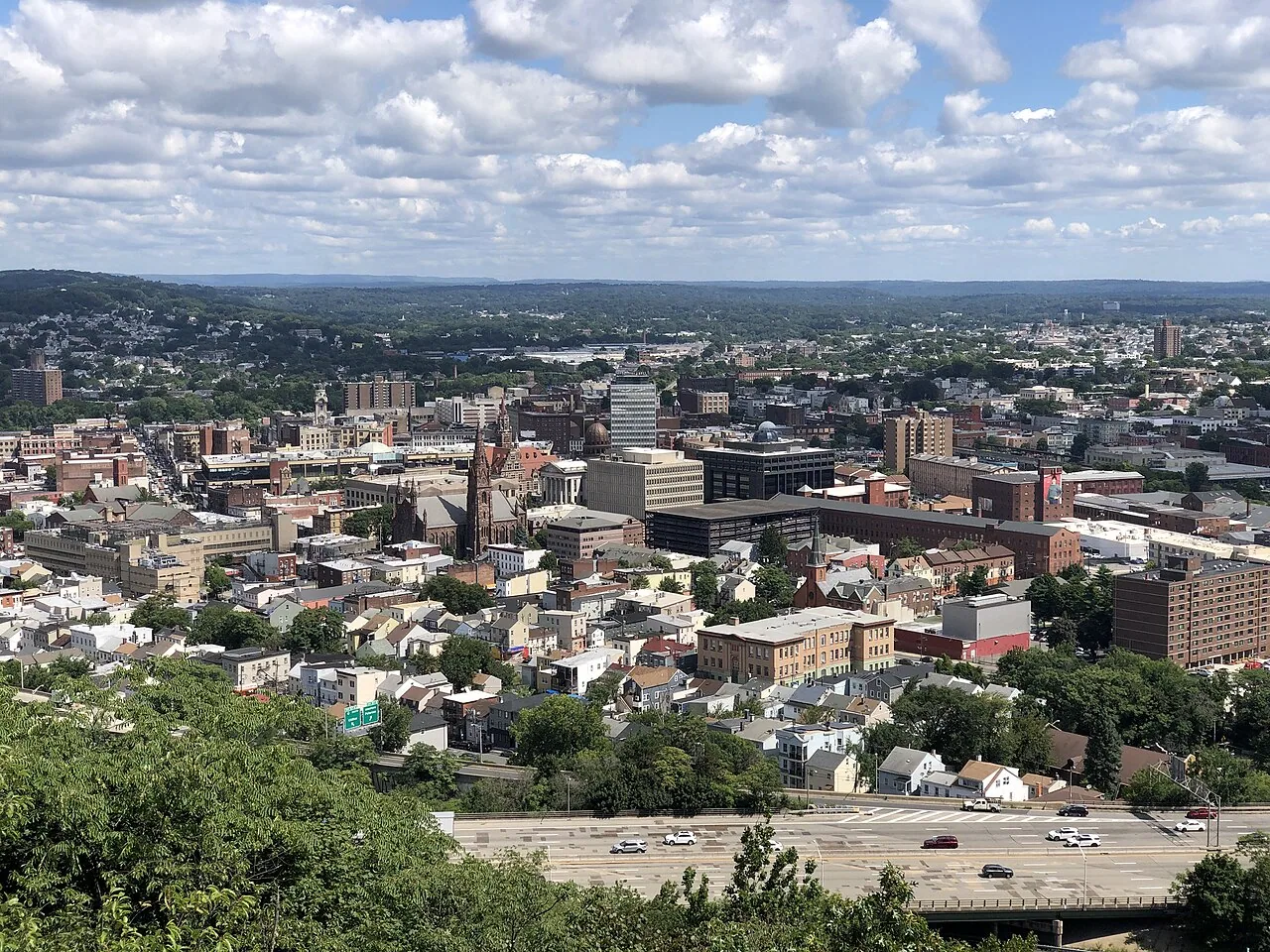
Occupied-building roofing requires an access route, weather protection and a sequence that respects the business below. We confirm work hours, tenant coordination, equipment restrictions and the disruption period before setting the proposal. Paterson’s downtown commercial streets include offices and education uses; South Paterson’s Main Street concentration includes restaurants, grocery stores and retail. Those uses help explain why access planning matters, without assuming a particular building’s schedule. A phased occupied-building reroof can be considered where roof layout and weather conditions permit.
Weather protection also belongs in the estimate. The proposal should state what happens if rain arrives during an opening, where water will be directed and how the affected interior area will be protected. We coordinate rooftop access with the building contact and note equipment, loading or tenant restrictions that alter the sequence. If a schedule limit changes production or requires a separate mobilization, it needs to appear in the price before work starts.
Work with the Assembly Installed
We install and repair common commercial systems including TPO, PVC, EPDM, KEE, modified bitumen, built-up and metal roofing, along with spray foam and coating systems. Selection depends on the existing assembly, substrate, drainage, attachment, code path and approved budget. A recover can be practical only when the existing roof supports it. When conditions justify removal, the proposal identifies tear-off, insulation, flashing, penetrations and equipment transitions separately. A TPO roof scope or other system proposal should explain the detail, not rely on a product name alone.
For repair work, a useful closeout record lists the area addressed, material used, limitations that remain and any follow-up inspection needed. For replacement, closeout should identify completed roof areas, changed details and information ownership should retain for future maintenance. That record supports the next person managing the building without implying that an inspection can eliminate every future leak. The value is in knowing what was completed and what remains for a later decision.
Reports That Support the Next Decision
Photographs, roof-area labels, defect descriptions, included work and follow-up needs make a report useful after the site visit. We can perform hands-on inspections, drone surveys where access calls for them and infrared moisture surveys when conditions support that method. Results may lead to a test opening or further review. Our condition reports distinguish visible findings from concealed layers and show what needs approval before scope expands. Owners can use capital planning to compare repair timing with broader renewal needs.
We also distinguish a service visit from authorization to proceed. A review can document conditions and prepare an estimate without approving roof work. Before mobilization, ownership should have a defined scope, price, work window and contact for changes at the release point. If an unexpected condition requires broader removal, we return the evidence and priced detail to the owner. That sequence prevents the repair boundary from expanding without a recorded approval.
Ground the Scope in the Actual Location
Paterson roofs sit within a region where rain, snow, heat and freeze conditions can affect drainage, seams and exposed details. Nearby snowfall or rainfall observations are regional context only; they do not establish damage on a property. We inspect the roof being priced. For a warehouse in Riverside industrial areas or an office in Downtown Paterson, the operating use and roof construction still need field confirmation. Local context makes questions more precise; it does not substitute for evidence.
Commercial properties near Paterson vary in access and use, from downtown office and education spaces to industrial activity around Riverside. A roof project may involve tenants, deliveries or rooftop equipment even when the visible repair appears small. We ask for site contacts and restrictions early, then map the work sequence to those conditions. Local building context helps us form the right questions; it does not replace an inspection of the actual assembly.
A Proposal the Owner Can Act On
Each proposal states included work, preparation, schedule assumptions, access needs, exclusions and the condition that may change the allowance. Repair, coating, recover and replacement are compared only when inspection supports those options. Our team does not promise that every roof can be restored or that concealed conditions will stay within the first estimate. We define what is visible and give ownership a priced choice when the work changes. Send the roof concern, building location, operating limits and date a decision is needed, and we will identify the next review.
Our estimate is meant to be reviewed line by line. It separates preparation, tear-off if included, new assembly work, flashing, drainage details, protection and cleanup where those distinctions affect the approval. Exclusions are stated so the owner knows what the quoted work does not cover. If plans or prior invoices conflict with field observations, we explain the difference and identify what verification would resolve it before the project moves into production.
Commercial Roofing Questions
Do you recommend replacement whenever a roof leaks?
No. We inspect the cause and surrounding assembly first. A repair can remain limited when the base is sound and the failure has a clear boundary.
What happens if hidden damage appears after removal starts?
The scope identifies a release point. We document the exposed condition, price the added work and return it for approval before proceeding beyond that limit.
Can your crews work in an occupied property?
Work can often be phased around tenants and operations. Access, noise, protection, weather and equipment coordination determine the sequence.
What information helps you prepare an estimate?
Provide the building location, roof concern, available plans or repair records, access contact, operating limits and the date the decision is due.
Put the Roof Decision in Writing
Send the property location, condition or leak concern, records available and approval date. We will define the inspection or estimate needed for the next step.