Infrared Roof Moisture Survey in Paterson, NJ
Assess concealed roof moisture in Paterson with infrared observations and selected openings that help define removal allowances and retained-material decisions.
Infrared Roof Moisture Survey
A thermal pattern continuing beyond a proposed patch can change the opening allowance before the repair boundary is approved. The owner needs physical checks to establish whether that pattern relates to wet insulation or another feature of the assembly. In Paterson, NJ, we use infrared observations under suitable conditions to select areas for closer investigation. The survey connects temperature differences with the roofing question being considered, then supports a removal or retention decision through assembly information and selected openings.
Moisture trapped below a membrane can affect how the roof responds as its surface temperature changes. Infrared equipment records temperature patterns; interpretation requires the roof system, weather and surrounding conditions to be considered. We combine that information with inspection of accessible roof details and physical checks where needed. The useful result is an identified area for investigation and a supported scope decision, rather than a removal quantity assigned directly from the colors in a thermal image.
Proposed work: Identify the concealed decision
A planned recover raises a specific question: which layers are suitable to remain beneath the new assembly? A recurring leak repair raises another: how far has moisture affected material beside the failed detail? We discuss the requested work before choosing survey coverage and opening positions. Available assembly records, prior repairs and known water entry help identify where the findings could change the owner’s allowance. The survey scope follows those questions rather than treating every roof area as the same investigation problem.
For a recover over existing material, moisture findings must be considered alongside layer count, attachment and applicable requirements. For a local repair, the concern may be whether removal can stop at the visible defect. We explain how the survey and physical checks contribute to each decision, including what remains unresolved until exposure. That allows ownership to approve investigation with a purpose and understand when the findings are sufficient to advance the permanent proposal.
Survey conditions: Allow a useful temperature response
Surface moisture, recent weather and the roof’s construction can affect whether useful thermal differences develop. We assess the assembly and expected conditions before fixing the survey arrangement. Some roofs respond differently because of their insulation, membrane or underlying heat conditions. The working window needs to suit the method, and a requested date may need adjustment if the surface or weather would obscure the question the owner wants answered.
We coordinate roof access and occupied-building requirements for that window. Equipment operation, shaded areas and changes in surface material can influence the patterns that appear, so those conditions are considered during interpretation. A survey performed under unsuitable conditions may leave too much uncertainty to price removal. We explain when another visit or a different investigation is needed, giving the owner a concrete scheduling choice before committing to an assembly decision that depends on concealed moisture findings.
Thermal pattern: Select the physical check
A warmer or cooler area may relate to moisture, differing material, equipment influence or another construction feature. We compare the thermal view with visible roof conditions and available assembly information before selecting a test opening. The position should help answer the question raised by the pattern. Examining both the suspected area and a comparison area can be useful where the construction permits, because the interpretation needs a physical basis rather than a temperature difference alone.
An opening can expose membrane layers, insulation and the receiving deck. We examine the material found and relate it to the surveyed location. Where a core or opening is required, its approval includes preparation, access and restoration with suitable roofing materials. The owner should know why that particular position is being checked and what the finding could change. A confirmed wet location supports further boundary investigation; a different assembly explanation can change where the next check is placed.
Occupied Paterson: Coordinate exposure with the operation
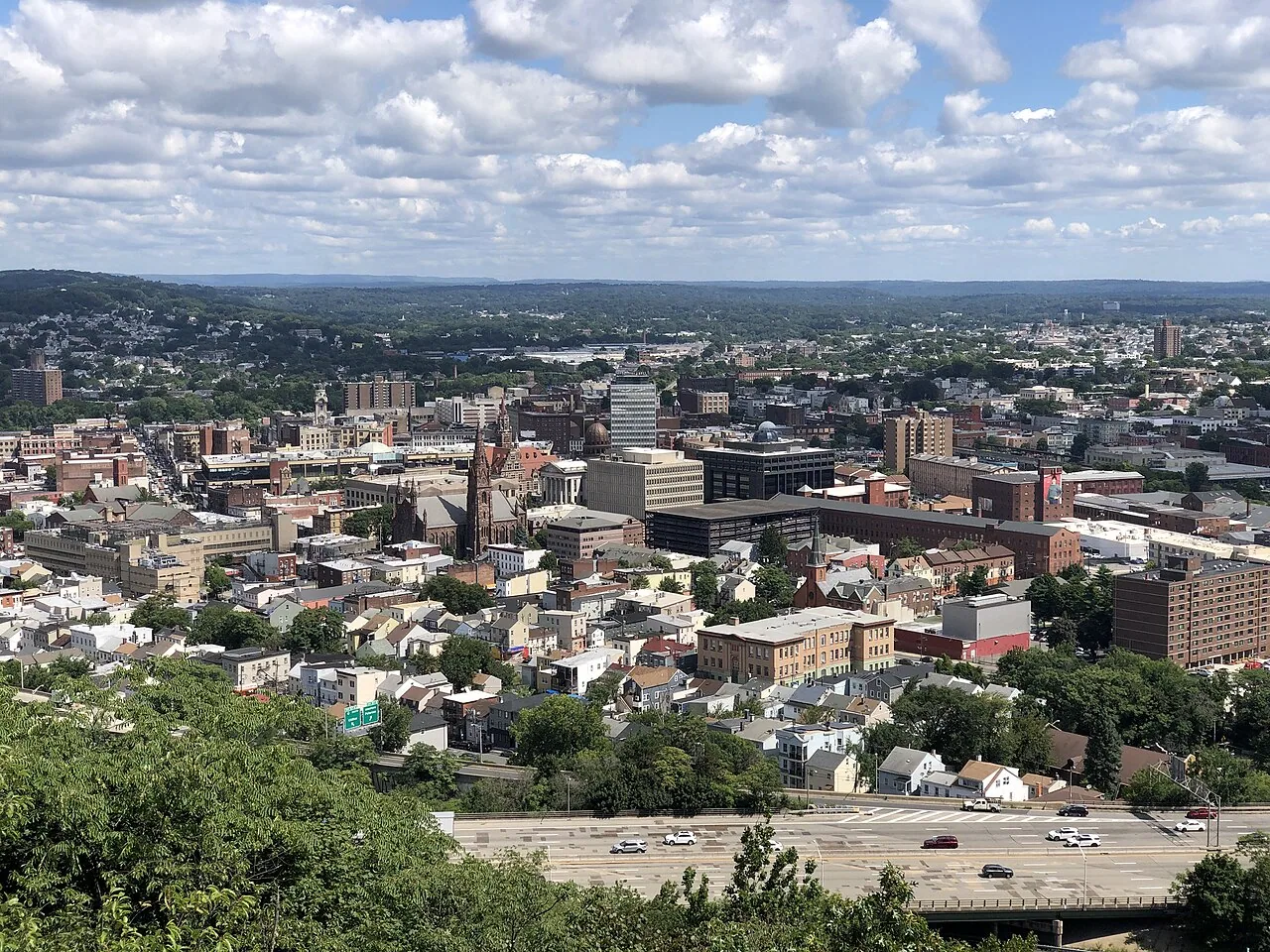
South Paterson has restaurants, grocery stores and retail outlets concentrated along Main Street. At an occupied property there, selected roof openings need a working period that suits interior protection, equipment access and deliveries. We establish the affected operation and the restoration sequence before exposure. The proposed investigation should make clear how each opening will be closed and which finding could require an additional decision while the roofing area is accessible.
Riverside combines industrial uses with residential property near Madison Avenue and Route 20. For a manufacturing building requiring controlled roof access, the survey may need coordination with production and equipment service. We discuss the particular access restrictions and choose an approach that supports the investigation question. In South Paterson or Riverside, the owner’s release of a work area should follow the physical opening and protection requirements, with timing settled before a concealed condition makes closure dependent on another approval.
Removal allowance: Investigate the adjoining boundary
Wet insulation found at one opening establishes the condition at that position. We examine how the observation relates to the surrounding thermal pattern and identify whether additional checks are needed to define its extent. A proposed removal boundary must account for suitable adjoining material and the assembly receiving the repair. We explain the measurement basis used in the scope and the finding during construction that would justify extending the authorized quantity.
Where the decision involves insulation and cover-board replacement, retained material needs to be suitable for the proposed assembly. The owner receives a distinction between confirmed affected areas, areas needing further investigation and material that can remain subject to construction findings. This separation supports a priced allowance without pretending every concealed boundary is already exposed. The work can then proceed with an approval method for new findings, keeping removal and closure connected to the actual material uncovered.
Survey findings: Carry evidence into the work scope
Thermal images, visible photographs and opening findings need to refer to identifiable roof positions. We assemble those observations so ownership can see why an area needs correction or another check. They can support written condition findings for a funding decision, including the proposed repair extent and conditions that remain outside it. The description should distinguish the observed pattern from the physical material found, preserving the reasoning behind the allowance.
For a larger renewal project, the survey findings can help compare retained material with removal during roof replacement. We consider moisture alongside attachment, deck condition and other assembly concerns before recommending the scope. Keeping the survey date, roof locations and opening results with the proposal also helps evaluate later exposure. Ownership can then compare what construction reveals with the investigation used for approval, authorize a measured change where needed and retain a usable description of the repaired or replaced material.
Commercial Roofing Questions
Can thermal images alone determine our wet-insulation removal quantity?
The patterns help choose investigation areas. We interpret them with roof construction and physical checks before proposing a boundary. Further exposure may change the measured extent, so the removal scope needs a defined approval point for that finding.
Why would a suspected wet area prove different at an opening?
Temperature differences can also reflect material changes, shading or equipment influence. The opening helps identify the actual assembly condition. We use that finding to adjust the interpretation and decide where another check would answer the remaining question.
Is restoration of survey openings included in the investigation?
The proposed work identifies opening and closure requirements. We establish suitable repair materials and the working sequence before exposure. Any finding that requires additional corrective removal is separated from the initial investigation allowance.
How does the survey help decide between recover and removal?
Confirmed moisture findings show which investigated material needs correction before retention is considered. We assess them together with layer count, attachment and the proposed assembly. The comparison identifies what can remain and what exposure or removal must be funded.
Resolve the concealed-material allowance
Send the roof location, proposed repair or renewal, available assembly information and your funding date. We will assess survey suitability and the physical checks needed to define material retention or removal.