Modified Bitumen Roofing in Paterson, NJ
Repair modified bitumen roofing in Paterson with ply assessments, compatible lap repairs and application planning that define preparation and removal scopes.

Modified Bitumen Roofing
An incompatible old coating obscuring a modified bitumen lap changes the owner’s first allowance from applying a patch to exposing the ply condition beneath the treatment. The receiving material needs examination before a permanent repair can be selected. In Paterson, NJ, we assess modified bitumen roofing at its layers, connections and supporting assembly, then define preparation and removal according to the findings. The proposal identifies what can remain and the additional construction needed if exposure reveals unsuitable material.
Modified bitumen systems use reinforced bituminous sheets with modifiers such as SBS or APP and system-specific installation methods. Their construction can include base and cap layers, with lap and flashing details appropriate to the assembly. We examine those components when defining a contained ply and flashing repair or a renewal option. Ownership receives the physical boundary and working requirements for the selected construction, rather than treating an obscured surface defect as proof of either a minor repair or complete roof failure.

Earlier treatment: Reveal the suitable receiving ply
A surface treatment covering lap edges can make the underlying connection difficult to examine. We assess accessible areas and identify preparation or selected removal needed to reach the receiving material. Compatibility with the proposed repair method matters alongside the condition found. The scope describes that work and any temporary closure required, allowing ownership to authorize an investigation that resolves the construction choice rather than paying for another application over a concealed failed detail.
Once the affected ply is available, we examine deterioration, adhesion and suitable adjoining material. An intact receiving area can keep repair localized; unstable or damaged material can expand the removal boundary. We explain that difference before permanent work proceeds. A coating over the roof does not establish the number or condition of its underlying layers, so the assessment needs the actual assembly identified. Ownership receives the layer finding and its cost consequence, with preparation distinguished from the new material used to reconstruct the weather connection.
Ply joint: Restore the complete repair detail
An opening at a cap-sheet lap can require examination of the material beneath it as well as the surface seam. We define removal and a compatible repair suited to the installed system. Preparation should reach suitable adjoining roofing, with the new connection arranged to serve the affected detail. Ownership can review the repair footprint and the construction it includes, rather than receiving an allowance that counts only the visible opening and leaves base-layer work unresolved.
At corners, pipes and equipment curbs, several connections may need reconstruction within one area. We examine the receiving surface and available access before selecting the flashing method. Correction of a failed transition can involve more material and preparation than a straight lap repair. Equipment movement or another trade’s work is identified separately where required. The proposal gives the owner a sequence for reaching and closing the detail, with the final quantity tied to the connection rather than a uniform treatment applied to every roof component.
Installation method: Include the working requirements
A selected modified bitumen system can involve adhesive, self-adhering, heat-applied or other specified construction, depending on its product and assembly. We establish that method before defining preparation and the work period. Application requirements and building conditions affect the practical sequence. Ownership receives the tasks and controls relevant to the proposed work, rather than assuming every sheet labeled modified bitumen can be installed or repaired using the same equipment and procedure.
Heat-applied work needs appropriate assessment and controls for the construction and receiving conditions. Other methods also have requirements for surface preparation, handling and weather. We identify those tasks in the proposal and coordinate affected access with the building representative. Comparison with a built-up roof construction option should include the application sequence and detail work for each. The owner can then compare the complete roof scope, with operating restrictions and preparation included alongside the material quantity rather than discovered after the method is selected.
Supporting layers: Establish the retained-roof option
A damp insulation area beneath the plies changes the useful repair from surface closure to removal and reconstruction of the affected assembly. We investigate its extent and define the receiving base for the permanent work. A broader moisture or attachment concern can alter the practical renewal comparison. Ownership sees that finding before an additional layer is installed, with the repair boundary established by the material found rather than by the surface treatment or the roof’s apparent age.
A recover over retained roofing requires assessment of layer condition, attachment, code requirements and detail height. The proposed work identifies any opening needed to resolve those questions and the restoration required. Comparison with a rubber membrane assembly also considers removal and receiving construction for the actual building. The owner can evaluate each option using retained material, new layers and transition work, keeping a material preference separate from the assembly requirements that make its installation practical.
Paterson stock: Coordinate exposure and occupied use
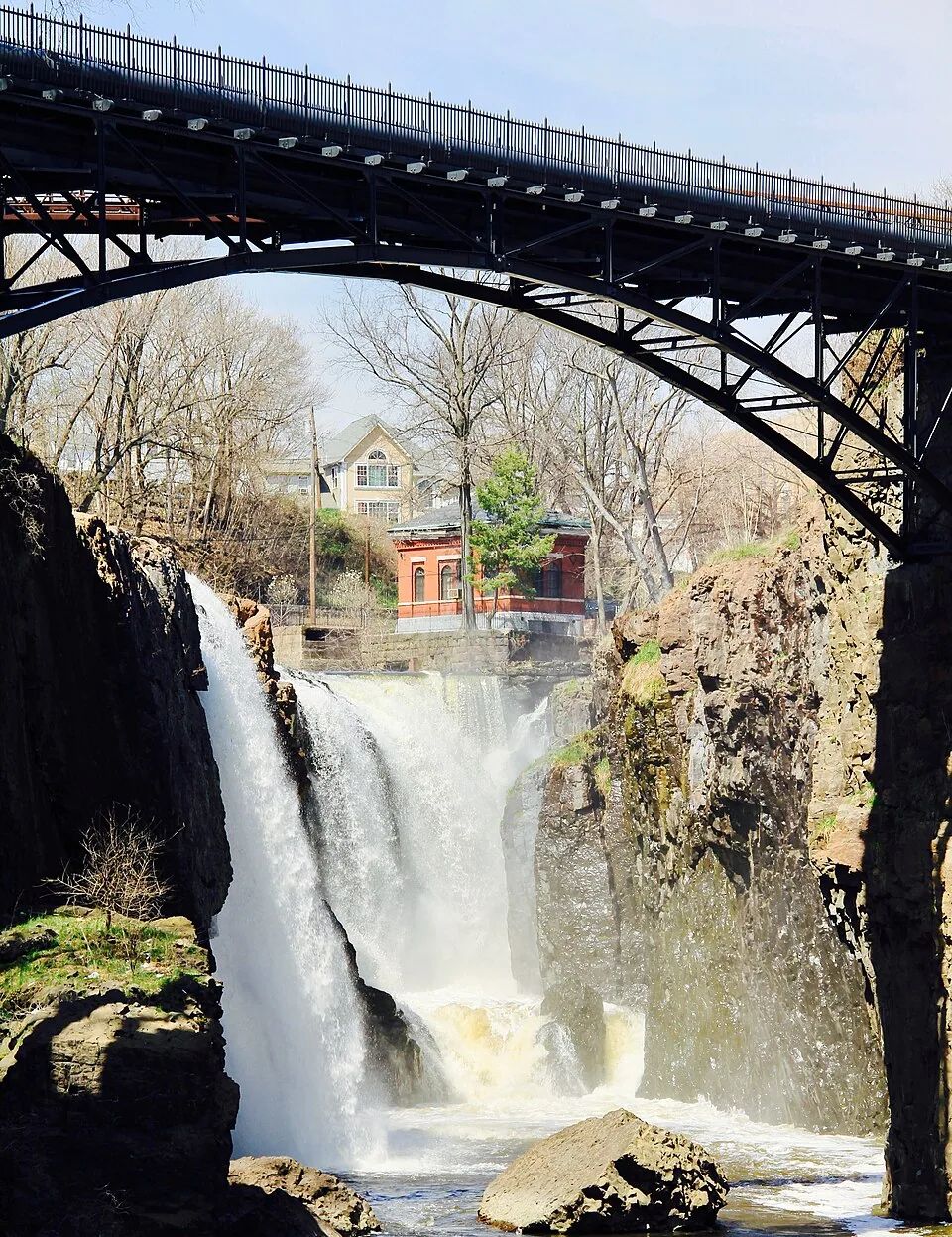
Mill buildings survive in Paterson’s Great Falls Historic District, where former industrial development remains visible in the building stock. At a requested property, the roof assembly and receiving wall need examination before a modified bitumen repair is defined. We establish the material found and any access needed to reach its transitions. For an occupied flex-industrial property, the interior area below removal and the equipment serving it can affect the available construction period.
Fair Lawn’s McBride Industrial District sits near the Glen Rock boundary and includes a history of industrial and corporate properties. At a building in Fair Lawn, the proposed roof work may need equipment and delivery access arranged for the particular operation. We agree on those actual restrictions before scheduling preparation or removal. Ownership receives the affected area and the task requiring protection, allowing the construction period to follow a measured roof scope instead of treating every industrial building as available for unrestricted material handling and interior access.
Completed plies: Track repaired layers and later changes
The completed repair should show the layer boundary, new connections and the adjoining material retained. We examine accessible laps and flashing details before handover and identify any separate equipment or support task remaining. Ownership can then distinguish the permanent weather connection from temporary protection or unfinished work elsewhere. The record also identifies changes made during exposure, giving the owner a practical account of the construction completed rather than only photographs of a uniform finished cap surface.
Later equipment service, new penetrations and continued surface treatment can affect those connections. We discuss suitable access and compatible roofing tasks before an operating change obstructs the repair area. Routine checks include drainage, laps and flashing condition, with recurring contact damage examined at its cause. The upkeep allowance should identify the task and location being maintained. That lets ownership track a new concern separately from the earlier repair and decide whether it needs limited construction, further investigation or comparison with renewal of a wider assembly area.
Commercial Roofing Questions
Can you select a lap repair while an old coating hides the ply condition?
Preparation or selected removal may be needed to examine the receiving sheet. We define that task and its closure before choosing permanent construction. The repair quantity follows suitable adjoining material, with broader removal explained if exposure reveals deterioration beneath the treatment.
Do SBS and APP sheets always use the same application method?
Installation and repair need the requirements of the selected system and assembly established. We identify the proposed method, preparation and working conditions. Ownership can compare those construction tasks rather than treating the modifier description as a complete installation instruction.
What changes the allowance when damaged layers are found below the cap sheet?
The affected base and supporting material need assessment to define suitable closure. We document the finding and revised removal boundary. Any additional receiving work or trade responsibility is identified before new material covers the opened area.
How should a recover be compared with tear-off for this roof?
Retained condition, attachment, code requirements and detail heights inform the recover option. Tear-off can introduce deck assessment and different receiving work. We describe those quantities for each construction so ownership can compare complete scopes rather than only the new sheet material.
Expose the modified bitumen repair decision
Send the building location, ply or coating records, affected detail photographs and approval date. We will define the preparation needed to assess the assembly, then price compatible repair or renewal construction.