Commercial Roofing in Paterson's Great Falls Historic District, NJ
Roof repair and renewal near Paterson's Great Falls district, with field scopes that account for older mill details, approvals, drainage and access.
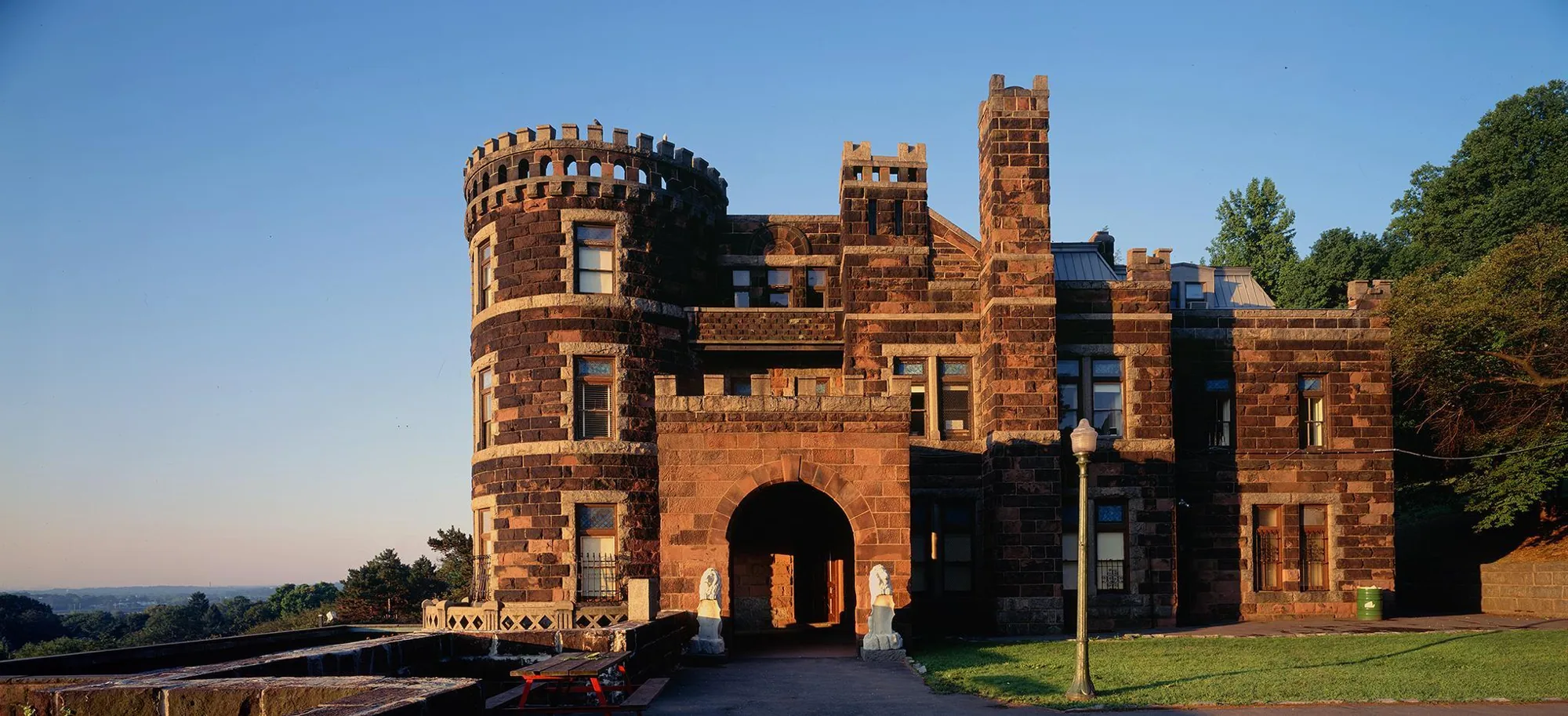
Paterson's Great Falls Historic District
A new roof layer can change the height of a perimeter detail that already has limited room to terminate. Near Paterson's Great Falls Historic District, that question can matter on older commercial and mill properties where the owner also needs to understand preservation review. We inspect the roof and its actual receiving edges before comparing a repair, coating, recover or replacement. Paterson's mill history includes textiles, railroad locomotives and a raceway system that supplied water power.
The first decision is what the existing assembly can safely receive. We check visible seams, flashings, drains and transitions, then note where a concealed layer might change the recommendation. A coating needs a compatible, sound receiving surface. A recover adds height at curbs, drains and edges. Replacement brings removal, substrate preparation and a different sequence for protecting occupied space. Our proposal explains each option against the observed roof and separates known work from a test opening or condition that has not yet been confirmed.
Historic review, access permissions and building operations can affect when roof work proceeds. Ownership supplies applicable approval requirements, and we coordinate the roofing details with the decisions already in place. A documented inspection records roof conditions and photographs details before a construction scope is set. If active water entry needs immediate attention, emergency response remains available day or night, including holidays. The immediate protection and the permanent correction are described separately, so a temporary measure does not imply that all adjoining roof areas have been reconstructed.
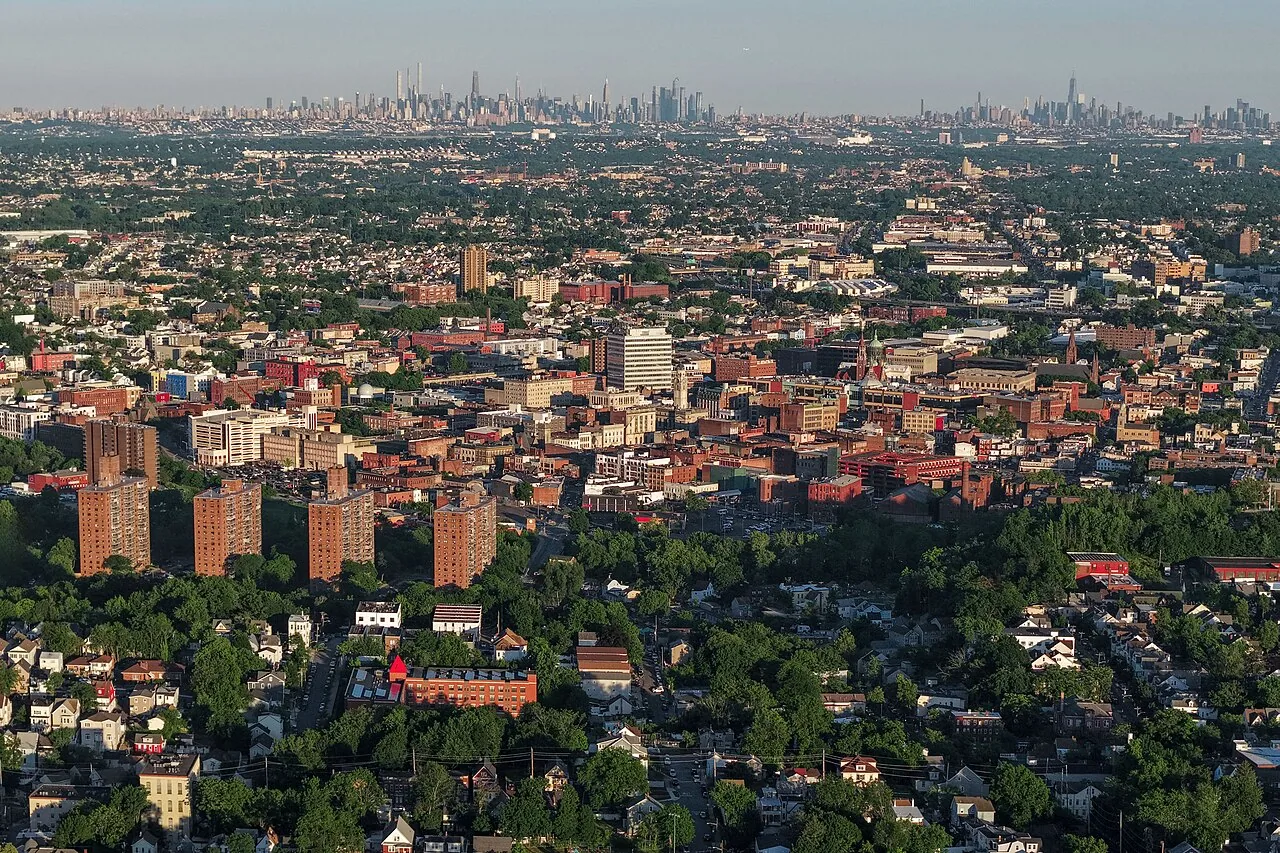
Mill properties: Inspect the termination, not the era
Historic industrial use does not establish the age, material or condition of a roof. The current assembly must be examined at the field, wall connection, penetrations and drainage points. Tall brick mill buildings can present roof-to-wall and parapet transitions that need a stable receiving surface, but the specific detail varies by property. We photograph the termination, check for movement or separation and identify what preparation is needed before a new membrane or coating can close the connection. Where masonry repair belongs to another trade, we state that dependency rather than including an undefined wall restoration in the roofing allowance.
The Great Falls area's raceway history is part of the district's industrial development. It does not establish water movement on a roof today. We check the slope, drains, sumps, scuppers and any low spot where water remains. At a parapet, we inspect the cap, joints and membrane turn-up. A coping repair, flashing correction or larger renewal may be indicated depending on the material that can be retained. Coping and edge-metal work restores the connection that protects the roof boundary; flashing repair addresses a failed transition where the existing assembly can receive a compatible detail.
Review requirements: Confirm the release before ordering
When preservation review applies, a selected roof assembly may need approval before materials are ordered or edge work begins. The owner or designated preservation professional confirms the applicable process and submittal. We provide the roofing information for that decision, including proposed layer heights, visible edge treatment, drainage changes and the work limits. A review requirement is not inferred solely from a building's age or location. We ask ownership what approval applies to the property, then sequence the roof work after the required decision is recorded.
That sequence can change the construction date, material lead time and temporary protection period. If an active leak needs containment while a renewal awaits approval, we define the interim repair and its limits. Permanent replacement is not treated as authorized before its assembly is accepted. Phased work over occupied space can help keep access and protection coordinated, while photo-backed condition records preserve the detail that prompted a repair or renewal. The owner sees which decision belongs to the roof scope and which remains with the approving authority, rather than a crew discovering the hold after removal has opened the assembly.
Drainage: Separate roof water from site history
Water does not follow a historic raceway onto a roof. Its route must be traced across the current membrane and out through the present drainage system. We inspect drain bowls and connections, scuppers, slope changes and the nearby flashing. A blocked strainer can hold water without requiring a new roof; a low area can persist after an obstruction is cleared; wet insulation may need a controlled opening to confirm. Our written findings distinguish these observations and identify the next test if the surface evidence does not establish the cause.
Passaic River proximity also does not establish the water level or flood performance of a particular building. For roofing decisions, we record the condition at the property, including any visible moisture, detached seam or open transition. A ponding-water review looks at whether drainage is obstructed or the roof geometry needs further investigation. An infrared moisture survey can help map a suspected wet area when conditions support it, with selected readings confirmed at the roof. Ownership then has an evidence-based limit for removal rather than an allowance that assumes every dark surface or ceiling mark is soaked insulation.
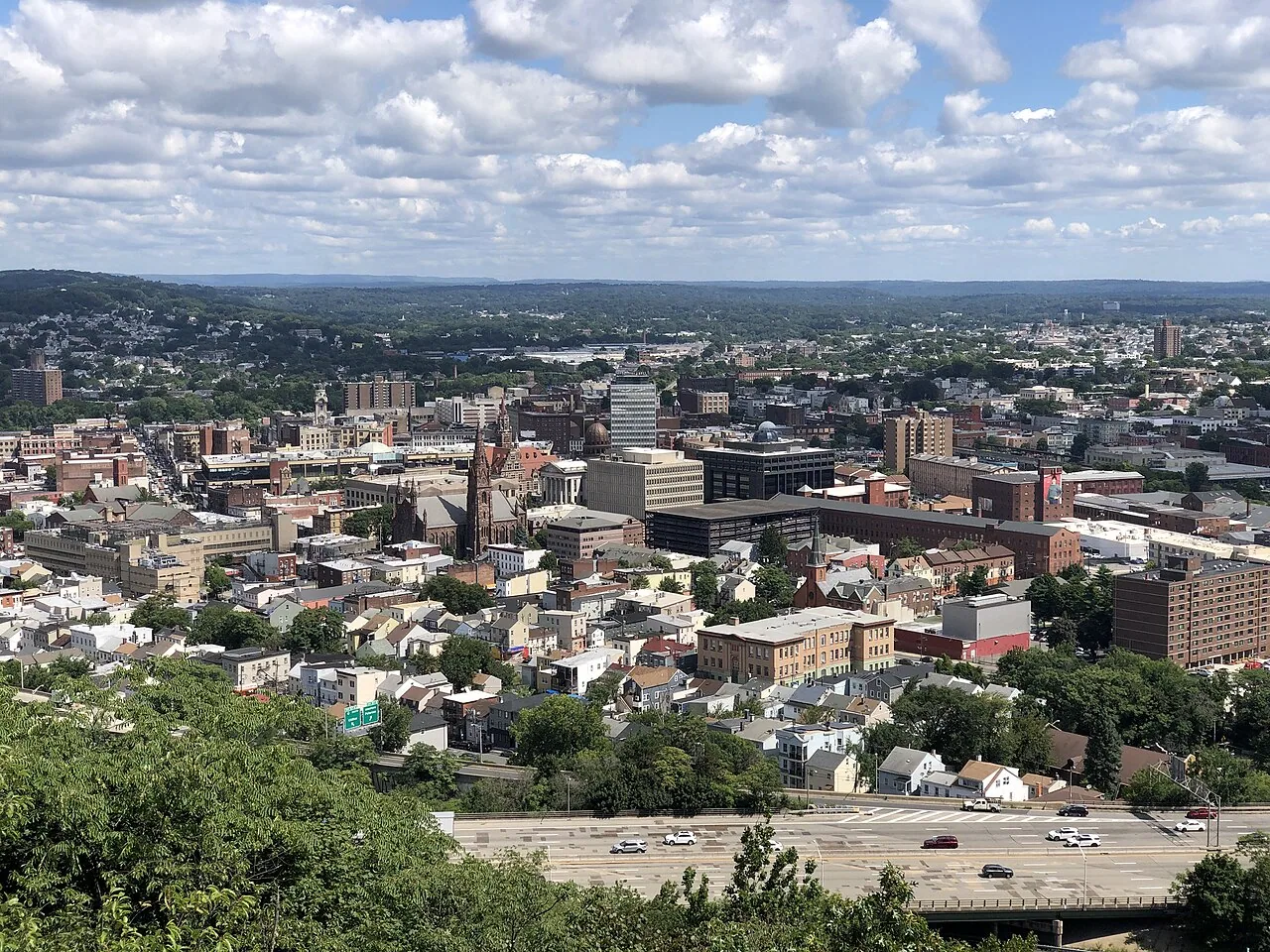
Repair, coating or replacement: Compare complete details
A localized failure can support repair where adjoining material remains sound and compatible. We prepare the surface, replace or reinforce the failed connection and carry the repair to a stable tie-in. If separation appears at multiple seams or the receiving surface will not hold an attachment, broader work may be more defensible. A roof coating is considered only after cleaning, adhesion and substrate condition are checked. We do not price a coating as a substitute for replacing wet material or repairing a moving edge.
For a recover, added layers may reduce clearance at drains, equipment curbs and perimeter terminations. Those details are reviewed before an overlay becomes a budget option. A recover scope includes the height and receiving-material questions; silicone coating restoration begins with surface and adhesion suitability. Where tear-off is needed, replacement planning identifies removal, insulation, cover board, attachment and disposal. The comparison names the condition driving each option and the work excluded from the approval. That is useful on an older property because a low field price alone does not show whether the edge, drain or wall transition can be completed with the new system.
Closeout: Keep the completed work tied to the approval
Before mobilization, we confirm the access route, staging area, operating limits and the portion of roof approved for construction. The scope names any handoff that depends on ownership, a preservation decision or another trade. During work, the crew documents exposed conditions that differ from the estimate. An added task is priced for approval at the stated release point. If the roof can be protected safely while the decision is pending, we record the temporary cover and its limits instead of presenting it as a permanent detail.
At closeout, photographs show the completed seam, flashing or drain work and any remaining item outside the contract. This record can support the next budget discussion without treating the district's industrial past as evidence about the building's current roof. Downtown Paterson properties include a central business area with older commercial buildings, while South Paterson's Main Street storefronts bring different operating needs. Each property still receives its own inspection and measured scope. We identify what was installed, what remains and which follow-up needs attention.
Commercial Roofing Questions
Does a historic district location determine which roof can be installed?
The applicable review and building conditions determine the assembly. Ownership confirms the approval process; we document layer height, edges, drainage and roof details for that decision.
Can you reroof a brick mill without altering its exterior appearance?
The perimeter and visible edge treatment must be inspected and compared with applicable approvals. We identify the roofing detail and coordinate it with the requirements the owner provides.
Is an old mill roof suitable for a coating?
Age alone does not answer that. We inspect membrane condition, adhesion, moisture and edge details; a coating requires a stable compatible surface and cannot replace wet insulation or failed components.
What if approval delays a permanent repair during active leakage?
We define an interim protective measure and identify its limit. Permanent construction is separately scoped after the required assembly decision is recorded.
How is wet insulation confirmed before tear-off?
We review visible signs and may use infrared screening or a controlled opening when appropriate. The findings identify the removal area and any material that should be tested or replaced.
Related Roofing Work
Scope the roof against the actual approval
Send the property location, current roof concern, access limits and any review requirement already identified. We will document the roof detail and prepare a priced boundary for the next ownership decision.