EPDM Roofing in Paterson, NJ
Repair or replace EPDM roofing in Paterson with seam preparation, flashing assessments and retained-layer checks that define the owner's construction allowance.

EPDM Roofing
An exposed EPDM edge drawing back from its wall termination changes the allowance from resealing a joint to restoring the membrane’s receiving connection. Ownership needs the attachment and usable adjoining rubber assessed before new flashing closes the area, because movement can require a wider repair than the visible separation. In Paterson, NJ, we assess EPDM roofing at the detail that needs work, then establish the compatible preparation and repair boundary. Ownership receives the material to remove, the assembly that remains and the condition that could change the approved allowance.
EPDM is a synthetic rubber membrane used in commercial roof assemblies with system-appropriate seam and flashing materials. Field condition, attachment and the layers beneath it influence repair and renewal choices. We examine those components before proposing reconstruction of a penetration connection or broader work. A contained detail repair remains distinct from replacement of damaged supporting material, giving the owner a measured choice rather than treating every visible opening as the same membrane task.
Receiving membrane: Prepare for a compatible bond
A weathered or contaminated surface can require cleaning and preparation before a new seam or flashing detail is applied. We examine the membrane and any existing treatment to determine what can receive the selected repair. System-appropriate primers, tapes or adhesives have specific preparation and working requirements. The proposal includes those tasks and material boundaries, so ownership can compare the construction needed rather than a small patch quantity that leaves the receiving condition unaddressed.
An earlier incompatible treatment may need removal before permanent repair can proceed. We identify the workable adjoining sheet and the method suited to the detail, including access needed for preparation. A narrow opening can therefore require a larger repair footprint without changing into a whole-roof renewal. The owner receives that physical reason and the quantity it supports. Where the remaining membrane cannot provide a suitable connection, the proposal explains the different construction option before new material is applied over the same unsuitable base.
Lap and corner: Examine the complete connection
A seam separating at one point needs examination along the affected lap and at its transitions. We assess the receiving membrane and the repair materials required, with preparation suited to the EPDM assembly. Corners and changes in direction can require additional detail work beyond a straight seam. Ownership sees those components in the allowance, allowing approval of the connection that must be restored rather than one visible gap considered apart from its adjoining termination.
Repair of a separated roof joint should leave a compatible connection with suitable adjoining material. We check the completed detail using appropriate inspection methods and identify any remaining concern outside the agreed boundary. Movement at a wall, curb or pipe can require reconstruction of that receiving component instead of another application over it. The proposal distinguishes that task from membrane preparation, with equipment or support responsibilities identified before the owner commits to a working period that does not allow the connection to be reached.
Layer condition: Distinguish a surface repair from removal
A soft area beneath otherwise intact rubber can indicate a supporting-layer concern needing investigation. We define the checks and selected openings appropriate to the suspected condition, including restoration. Wet or deteriorated material may require removal beyond a visible seam defect, while a suitable retained assembly can keep work contained. Ownership receives that boundary before permanent closure, with the proposed quantity tied to the actual material exposed rather than the surface appearance of the sheet.
Deck condition and attachment also affect renewal choices. A replacement assembly needs a suitable receiving base and the applicable design requirements established. New insulation and cover board are considered with those connections, not selected independently by thickness alone. We identify design or structural tasks requiring resolution before the roof layers are installed. The owner can then compare a local repair, recover or removal option using the receiving work and retained material for each, keeping concealed-condition questions visible at the approval point.

Renewal choice: Compare construction and continued access
A proposed EPDM roof may use adhesion, mechanical attachment or another suitable designed assembly. We identify the method and its receiving requirements for the building being assessed. Preparation, attachment and detail construction can change the cost and work period even where field areas are similar. Comparison with a welded thermoplastic alternative should include those tasks alongside future repair materials and equipment access, rather than treating the seam method alone as the full assembly choice.
For a reflective surface objective, a PVC membrane option can present another construction comparison where suitable. The owner should see removal, retained layers and detail-height consequences for each proposed system. We explain the material compatibility and maintenance needs relevant to the roof found. A recover that adds height may require curb reconstruction, while tear-off can expose deck repair. Those different tasks belong in the comparison before approval, allowing the expenditure to follow the complete construction rather than a preference detached from the existing assembly.
Paterson-area buildings: Arrange the detail access
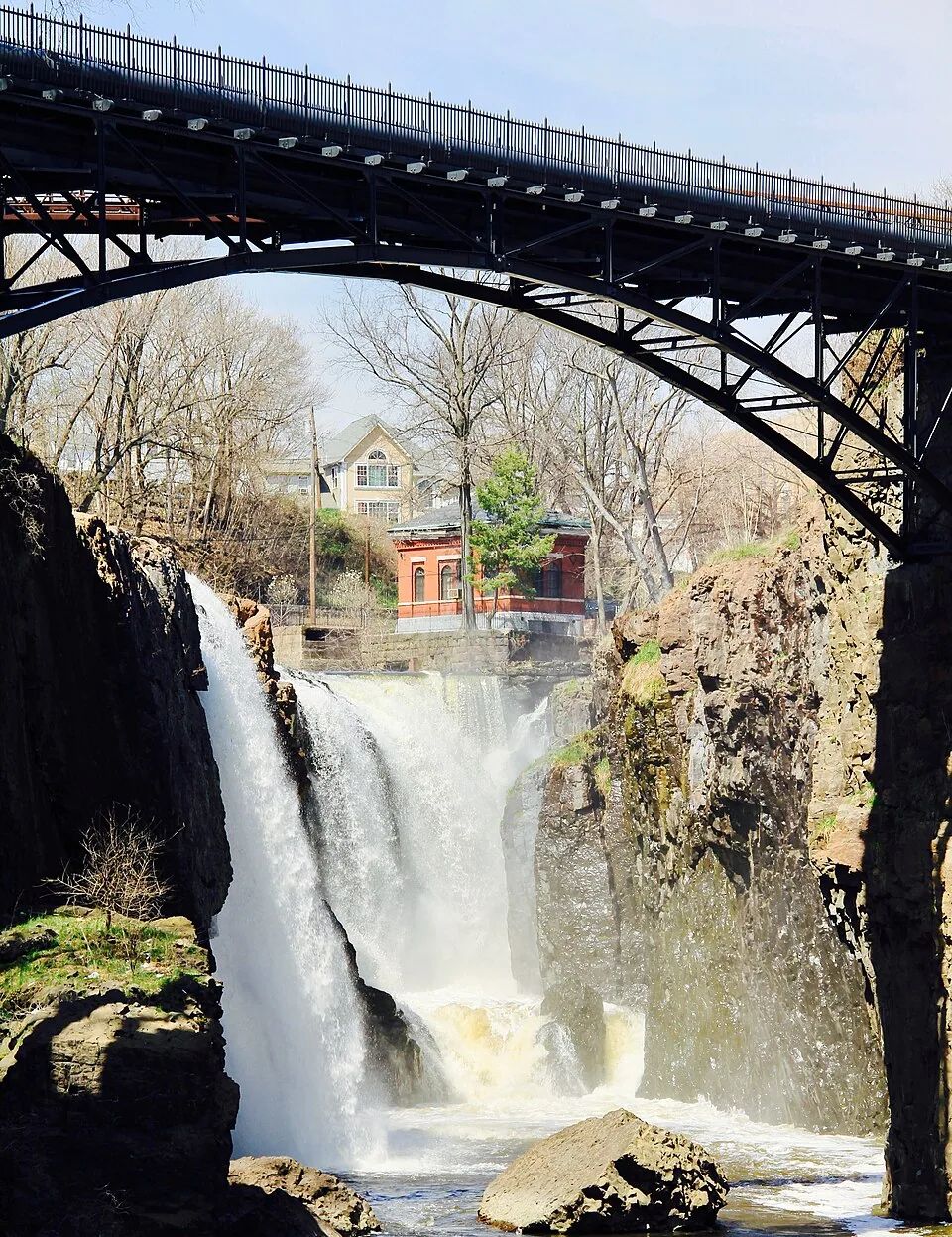
In Paterson’s Great Falls Historic District, surviving mills reflect the area’s industrial development. At a requested property, roof access, wall conditions and retained-layer information influence how an EPDM transition can be examined and repaired. We establish the particular receiving detail before defining the work. A flex-industrial building’s roof scope may need equipment and interior access coordinated for the affected area, with any separate assessment identified before the membrane is removed.
Hawthorne has a Gateway District mixing housing, shops, public space and civic facilities. A roof task at an occupied commercial property there can involve entrance or service restrictions different from a mill-building repair in Paterson. We agree on the actual working route and the detail that needs access with the building representative. The proposal includes that arrangement and the construction required for closure, letting ownership coordinate a practical repair period without assuming unrestricted use of every exterior or interior area.
Later service: Preserve the installed material connection
A new equipment line or pipe through an existing EPDM roof needs a suitable flashing detail and receiving surface. We coordinate the roofing task with the service provider before the component obstructs access. The proposed construction identifies the opening, compatible closure and protection needed during the change. Ownership can then authorize the equipment and membrane work as distinct but connected responsibilities, rather than treating the roof repair as a final task to arrange after the penetrating component is operating.
Routine checks should include seams, transitions, drainage and service-route damage. We identify the repaired locations and retained boundaries in the handover, with access needed for later examination. A fresh cut or moved support receives a repair scope suited to its actual damage. Earlier work outside the approved boundary remains distinguishable from the new detail, allowing ownership to track what has been restored. That record supports future maintenance and renewal decisions without treating an isolated compatible patch as a condition assessment of every retained EPDM component.
Commercial Roofing Questions
Why can a pipe flashing repair need more than a new upper closure?
The connection to the field membrane and the receiving pipe both need examination. Damage or unsuitable material can extend beneath the visible split. We define the complete repair boundary, including preparation and any separate component task required before closure.
Can EPDM be repaired where an old surface treatment remains?
The treatment and adjoining rubber need assessment for compatible preparation. We identify material to remove before constructing a suitable new connection. Ownership receives that allowance separately from the repair sheet or flashing quantity, with a different option explained where retained material is unsuitable.
Does a soft spot mean the membrane system itself must be changed?
Supporting-layer condition needs investigation before selecting the construction. Local damage may permit contained replacement and compatible EPDM closure. A wider assembly concern can justify comparison with renewal, including deck, attachment and detail work for each proposed option.
What should I preserve for later repairs after the EPDM work is complete?
Assembly information, repair locations and the boundary of retained material help define future work. We identify those items in the handover. Later equipment alterations should include a compatible roofing connection and access arrangement before the affected detail is obstructed.
Set the EPDM repair boundary
Send the building location, affected seam or penetration, earlier repair information and decision date. We will examine compatible preparation, supporting layers and access, then price the rubber membrane work required.