Commercial Roof Leak Repair in Paterson, NJ
Trace commercial roof leaks in Paterson with interior and roof checks, controlled investigation and a priced permanent repair at the failed connection.
Commercial Roof Leak Repair
Water reaching a cable tray below a rooftop penetration changes the first approval from surface repair to protection and investigation. The affected area needs attention while the entry connection is examined. In Paterson, NJ, we establish the interior exposure, inspect the roof above and identify which opening or test can move the repair decision forward. The owner receives a distinction between immediate water control, the work needed to locate the failure and the permanent correction that follows the finding.
A leak repair should connect the observed interior condition with an actual defect in the building envelope. We examine membrane seams, flashing, drainage and adjoining components rather than applying material to the first suspicious surface. Where conditions require urgent roof protection, that work is addressed first. Permanent repair is then priced against the connection found, including concealed material affected by water and any coordination needed before it can be closed.
Interior exposure: Establish the investigation area
A wet ceiling panel, wall streak or damp deck provides a starting location for inspection. We ask when water appeared, what equipment was operating and whether the condition changes during rainfall or after it ends. Photographs taken during the event can show the active path more clearly than a dry visit. We inspect available interior access and distinguish roofing investigation from electrical, mechanical or safety concerns that need the building’s responsible personnel.
The owner can improve the assessment by providing previous repair locations, equipment changes and known areas of recurring water. Those records help us decide where to inspect first and which conditions could justify an opening. Protecting merchandise, electrical equipment or occupied space remains necessary while investigation continues. We explain the access required above ceilings or near equipment before authorizing disruptive work, so the building can release the affected area without committing to a permanent roof scope prematurely.
Roof connection: Follow the physical evidence
A separated curb flashing lap can provide a direct entry path, while a nearby intact seam may only lie above the interior damage. We examine the detail for openings, attachment problems, worn material and water collection. A close inspection of the surrounding roof helps define which defects are active concerns and which need maintenance separately. That distinction keeps the leak allowance focused on a useful correction rather than a collection of unrelated surface repairs.
We also examine adjoining walls, equipment and drainage where their connections could affect the water path. Condensation or equipment discharge may require mechanical investigation rather than membrane work. Once the likely entry is established, we explain the repair detail and any remaining uncertainty that needs a controlled check. The owner’s next decision follows the evidence: authorize a contained connection repair, allow selected exposure or coordinate another trade before roofing material closes the area.
Controlled check: Agree on its purpose
A water test can help evaluate a suspected detail, but the test must be chosen and controlled for the building. Introducing water without protecting the interior may extend damage or produce a misleading path. We discuss the proposed area, method and stopping point before carrying out testing where appropriate. The purpose is to answer a specific repair question, such as whether a curb transition admits water, rather than flooding a broad surface until the interior becomes wet.
Some assemblies call for another method. Selected openings can reveal damp insulation or a concealed separation, while an infrared moisture investigation may help identify areas needing physical checks under suitable survey conditions. We explain what the method can establish and how its findings affect the proposed work. Approval should cover the investigation, protection and closure necessary for the selected opening. That allows ownership to compare the cost of resolving uncertainty with the consequence of leaving the leak uncorrected.

Building use: Protect the affected operation
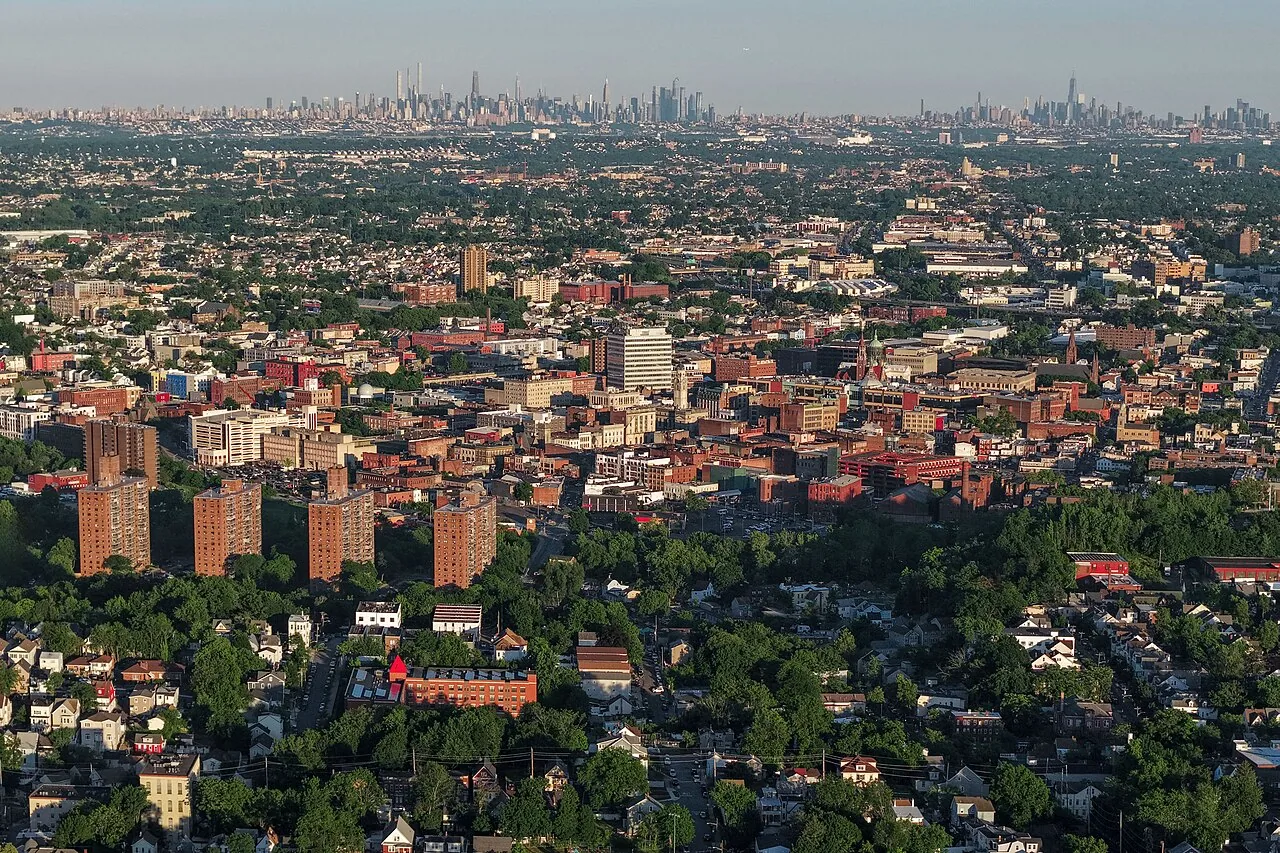
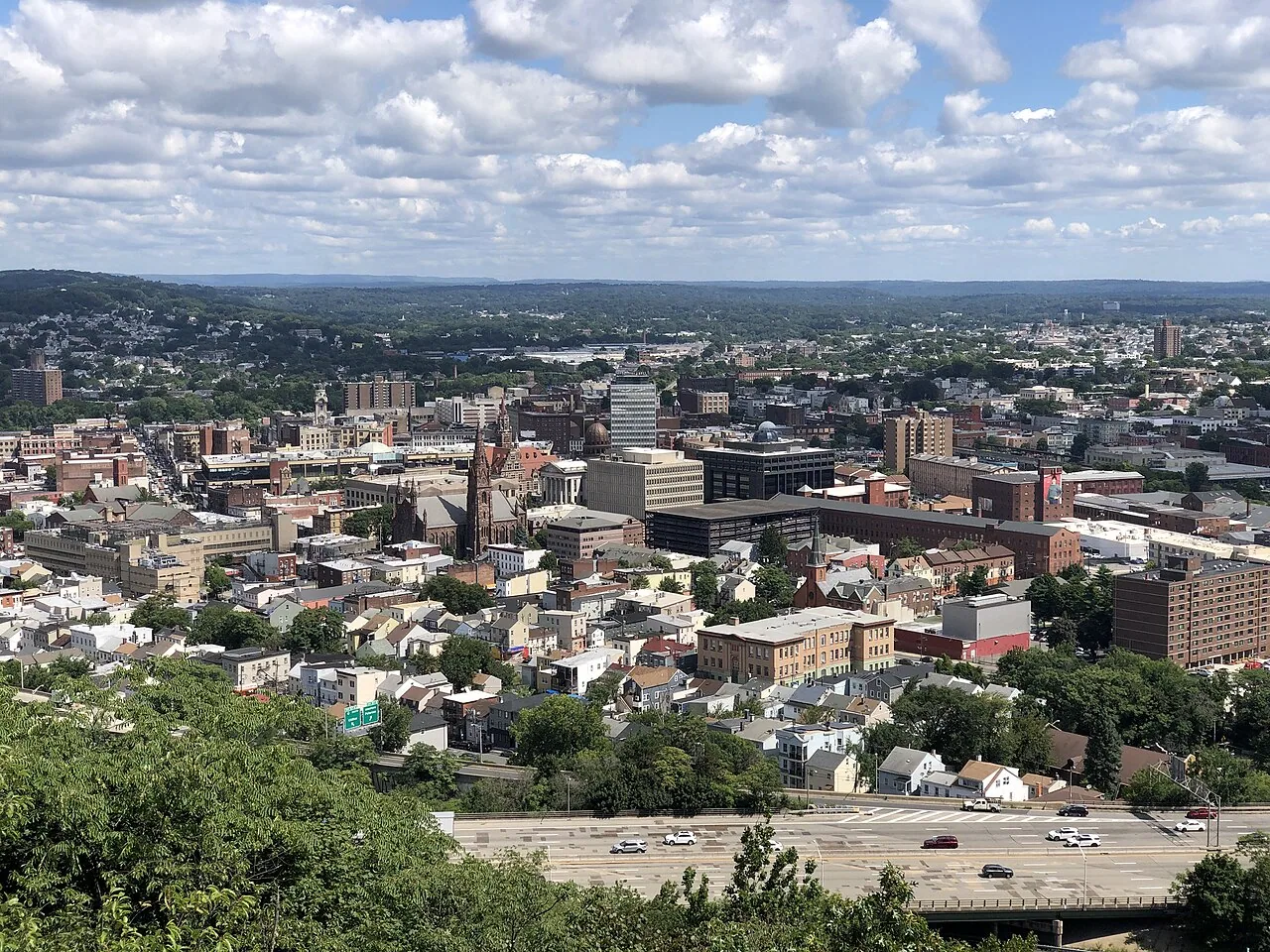
Downtown Paterson contains commercial and civic buildings, and South Paterson’s Main Street supports restaurants, groceries and retail businesses. At the requested property, the interior consequence directs the protective work: water above stock storage creates a different access and isolation decision from water near a customer entrance. We establish those conditions with the people managing the building, then plan investigation so the affected operation has a clear release point.
For a grocery building with occupied sales and receiving areas, ceiling access, stock protection and delivery movements can influence when investigation proceeds. In Downtown Paterson, the available approach to the particular roof also affects ladders, lifts and material handling. We establish entrance clearance, a safe lift position and ceiling access with the property representative before the inspection. A small entry defect may still require careful coordination if its interior path reaches equipment or space that cannot be disturbed during normal trading.
Receiving material: Complete the permanent connection
Once a failed connection is exposed, the surrounding material must support the repair. We inspect the receiving membrane and underlying layers before deciding how far to extend removal. Wet insulation can require replacement locally, while a deteriorated curb or deck can introduce additional work. The owner receives the measured finding and the reason for changing the allowance. Applying a new surface over unsuitable material can conceal the condition without resolving the route that made the leak repair necessary.
We select compatible repair components for the roof system and restore the relevant seams, transitions or flashing. A repair to a failed wall or curb connection may need preparation beyond the visible opening, including removal of unsuccessful earlier material. Where another trade must complete an adjoining detail, we establish the handoff before closing the roof. The completed repair needs a continuous water-shedding connection, not several separate patches that leave an unfinished transition between them.
Follow-up decision: Separate correction from monitoring
Interior materials may stay damp after the exterior entry is repaired. We distinguish the roofing work from drying, ceiling replacement and other interior restoration that the building may need. Ownership receives the repaired location and a description of what was opened or replaced. Photographs and written findings tied to the roof detail make later checks more useful, particularly when the interior condition is not immediately visible after work.
Where recurrence needs monitoring, we specify the useful observation: the same affected location during comparable rainfall, a drain condition after debris removal or an equipment connection after its trade repair. We also identify separate roof defects that were found but remained outside the authorized correction. This gives the owner a defined next decision if water returns, with the previous work traceable to a physical connection. It also helps distinguish a new opening from a problem left unresolved beside the completed repair.
Commercial Roofing Questions
What information helps you investigate a leak that stops before arrival?
Send event photographs, the affected interior location and the timing of rainfall or equipment use. Previous repairs and recent rooftop changes also help. We use that information to select inspection areas and explain whether a controlled test or opening is needed.
Will you open the roof before identifying a likely entry?
Selected exposure needs a specific purpose. We first examine accessible details and interior evidence, then explain which opening would change the repair decision. Its approval includes protection and closure so investigation does not leave a new unprotected area.
Can the leak allowance include wet insulation replacement?
Known affected material can be included with a defined quantity. Further exposure may change its extent, so we describe that approval point separately. The receiving layers need to be suitable before permanent repair material closes the connection.
Should a dry interior ceiling be the acceptance point?
Residual moisture can remain after entry is stopped. We identify the repaired exterior detail and distinguish it from interior drying and restoration. Follow-up observations at the affected location help assess recurrence without treating ceiling appearance alone as the roof finding.
Locate the entry and its repair decision
Provide the building location, active-leak photographs, affected interior area and recent roof or equipment changes. We will establish protection needs and the investigation required to price the permanent connection.