Commercial Roofing for Property Managers in Paterson, NJ
Plan managed-property roof repairs in Paterson with separate tenant-access tasks, measured opening allowances and building-specific approval boundaries.
Property Managers
A tenant's new exhaust penetration installed beside an existing repair can leave the management company approving two different responsibilities at one roof opening. The membrane connection needs assessment, while the equipment and curb work need their own receiving requirements settled. For managed commercial property in Paterson, NJ, we identify that division before pricing permanent closure. Ownership can decide which work belongs in the roofing allowance and which service task must be complete first, preventing a tenant alteration from obscuring the original repair boundary.
A management instruction may cover the roof without authorizing changes to the tenant's equipment. We inspect the affected detail and explain the construction needed to restore its weather connection. Roofing connections around equipment and curbs require coordination with the responsible party where preparation depends on movement or completion of another component. The proposal gives management a specific approval question, the access period involved and the condition that could change removal, rather than a general roofing amount that leaves the alteration's unfinished work unresolved.
Tenant change: Establish the receiving detail before closure
A curb placed across an old flashing lap can require more than a compatible patch around its perimeter. We examine the curb face, adjoining membrane and supporting material to establish where permanent preparation is possible. An unfinished equipment connection can control the work even if the roof sheet is sound. Management receives the physical dependency before authorizing removal, with the trade responsible for the obstructing component identified so the roofing stage can reach a complete weather boundary.
Lease responsibility and construction necessity are separate questions. The owner or manager establishes who approves each task; we explain the roofing material and access needed to complete it. A local connection can remain a contained repair where its base and adjoining assembly are suitable. Concealed damage or inadequate clearance may expand the allowance. Those findings are presented with their construction consequence, allowing management to obtain the necessary authorization before new material conceals a condition requiring a different receiving detail.
Downtown occupancy: Separate shared access from tenant access
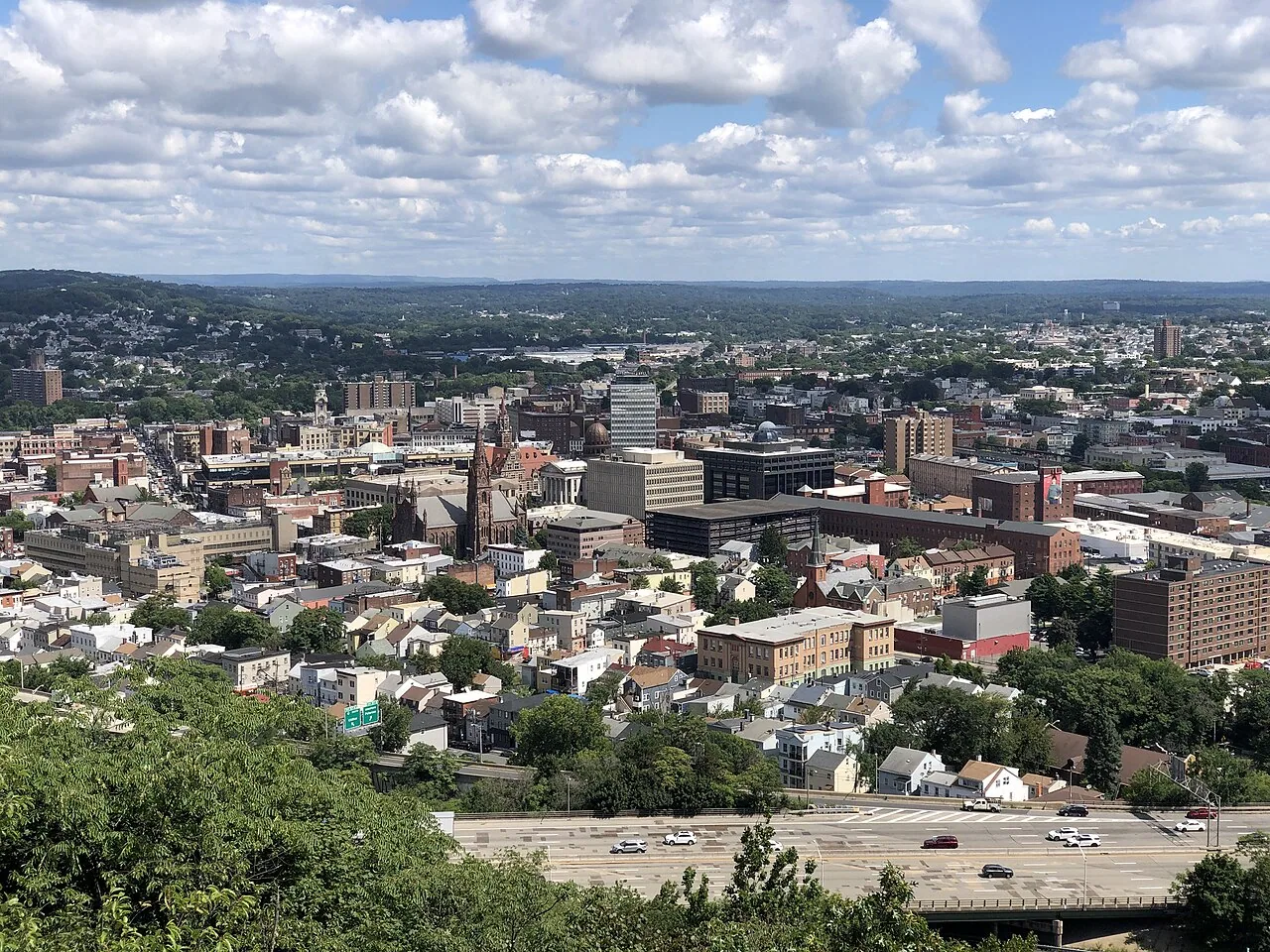
Downtown Paterson's commercial activity includes the Main and Market Street area. A requested managed building near those streets can have roof work interacting with entrances, deliveries or tenant service routes. We establish the actual handling route and affected space before selecting the removal period. Management receives the access arrangement necessary for the requested construction, with a distinction between common-area coordination and tenant equipment assistance so the owner can arrange the party needed at the right stage.
South Paterson's Main Street commercial area includes restaurants, grocery businesses and other retail uses. For a requested property with food-service equipment, a new penetration can introduce cleaning, service and operating dependencies alongside the membrane repair. Roof work associated with restaurant equipment needs the actual unit and connection examined. The manager receives those requirements tied to the affected roof area, allowing the tenant's service period and permanent roofing closure to be coordinated before equipment reinstatement limits access to the detail.
Owner authority: Identify the finding that changes the allowance
A visible repair may uncover deteriorated cover board or damp insulation once preparation reaches the old lap. We define suitable investigation and the initial removal boundary, then identify the evidence that would justify expansion. Management can arrange an authorization route for that finding before construction opens the area. The proposal separates the expected local work from additional receiving material, making the owner decision about a measured change rather than a broad permission to remove whatever lies beneath the tenant's equipment.
An investment owner's roof decision needs complete costs compared on consistent construction boundaries. We explain whether retained assembly supports the proposed connection and what another removal choice changes in handling, attachment and detail height. The management company can transmit a specific recommendation with the actual physical consequence. Field replacement, isolated repair and supporting-layer removal remain distinct choices, rather than being combined under one urgent instruction because the equipment alteration and roof concern were discovered together.
Several buildings: Keep each repair tied to its receiving assembly
Matching membrane appearances across managed properties do not establish identical layer conditions or equipment responsibilities. We identify the affected building and roof area in each requested task, with findings and access arrangements kept separate. Coordination of roof work across several properties can align reporting and decision dates while retaining individual construction quantities. The manager sees which property needs an equipment visit before closure and which can proceed with local material work, allowing scheduling to follow the specific repair dependency.
Equipment suppliers may serve more than one building, but roofing preparation still needs the particular receiving connection accessible when work is ready. We coordinate that requirement with management and identify protection if another service task shifts. Roof planning for multi-location businesses has related approval questions where a tenant operates across several properties. The construction remains building-specific, so an arrangement for one outlet, curb or delivery route does not become an assumed allowance for different work at the next location.
Clifton property use: Confirm the occupied-space requirement
Clifton Avenue between Van Houten Avenue and Allwood Road includes low-rise professional and medical office uses. A requested managed property within the broader Clifton commercial area needs its actual interior and equipment responsibilities established before roof work proceeds. We identify the tenant space affected by preparation and discuss access with the manager. The allowance should include the protection and service assistance required for the opening, allowing ownership to evaluate a complete construction task rather than a material-only repair detached from occupancy.
Removal staged with occupied-space protection can limit the area requiring special arrangements where suitable closing points are available. We examine transitions between retained and new material and identify drainage that must stay functional during the stage. Management receives the affected area, temporary boundary and completion dependency together. That makes tenant notification about the actual work period and access need, rather than a broad disruption notice that gives no useful distinction between investigation, component service and permanent roofing construction.
Repair handover: Keep the alteration and completed roofing distinct
A tenant's unit returning to service does not establish that every roofing connection beneath it is finished. We examine the permanent curb and membrane details included in the scope before the receiving area becomes obstructed again. Management receives the constructed boundary and any component still awaiting another party's task. The owner can close the roofing instruction against the work completed, while keeping a separate service item active where equipment or its upper weather connection needs further attention.
Building-specific records of roof condition and repair identify retained material, exposed findings and the final construction extent. Future tenant alterations should be assessed against those details before equipment placement changes their accessibility. We discuss the practical roof inspection needed after service activity, focusing on disturbance at the repaired connection and nearby drainage. The management company can then distinguish a new alteration-related task from upkeep of the earlier repair, with another owner approval based on the component and assembly actually affected.
Commercial Roofing Questions
How should a manager separate tenant equipment work from a roof repair allowance?
Identify the component and approval responsibility for each task. We explain which equipment work is necessary to reach and finish the roofing connection. The proposal distinguishes those dependencies from membrane construction so the manager can coordinate complete closure without treating a roofing instruction as authorization for unrelated tenant alterations.
Can one owner approval cover concealed damage found during local preparation?
An agreed expansion process can address defined findings, but the quantity still needs measurement. We present the exposed layer condition and construction change before proceeding. Management receives the added removal and closure requirement for owner review instead of an undefined increase attached to the initial visible patch.
What information helps coordinate a repair across several managed buildings?
Building identification, affected roof area, equipment contact and decision date let us establish each task's dependencies. We assess the assemblies separately. A shared reporting format can support management while the actual removal quantity, access requirement and approval remain specific to each property.
Why examine roofing before the tenant's equipment is put back?
Reinstatement can hide the curb face or restrict preparation at the membrane connection. We arrange the inspection and permanent closure while suitable access remains. The manager can distinguish completed roofing from equipment service, with remaining responsibilities identified before the repaired area becomes difficult to reach again.
Define the managed building's repair responsibility
Send the property and affected tenant area, equipment alteration details, available roof records and owner decision date. We will establish the roofing boundary and coordination needed to price the requested connection.