Commercial Roofing in Riverside, Paterson, NJ
Commercial roof repair and renewal in Riverside, Paterson, NJ, with field findings tied to drainage, mixed-use access and the approved work boundary.
Riverside
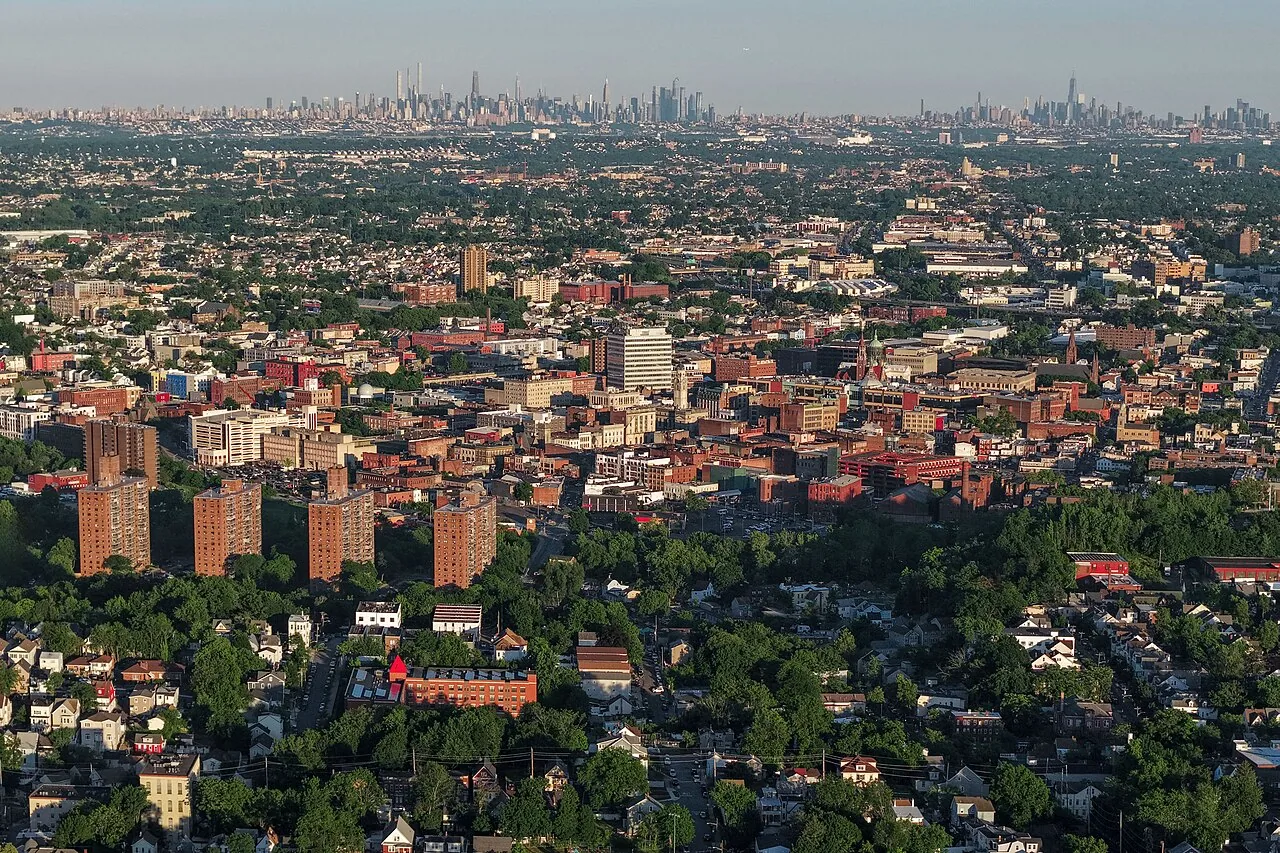
A roof transition that crosses from an industrial bay to a different adjoining use deserves a measured inspection before anyone prices a broad repair. We identify the roof area, its edge conditions and the access route, then describe what can be confirmed from the surface. Riverside is a broad Paterson neighborhood bordered by the Passaic River to the north and east. Its residential buildings sit alongside industrial uses, with Madison Avenue passing through and Route 20 marking the eastern boundary. That mix makes the particular building and operating pattern important to the approval, because a scope for a service bay may need a different access and protection plan from work above occupied living space.
We check the membrane, seams, penetrations, drains and perimeter transitions near the reported concern. A roof can have more than one possible entry point, and the visible ceiling mark may not align with the opening on top. Our report records the path we can support, the test or opening that may be needed to confirm a concealed condition, and the repair boundary we can price now. If insulation or deck damage could expand that boundary, we identify the release point and wait for ownership approval before broadening removal.
In a mixed-use neighborhood, coordination should follow the roof and the people who rely on the building. We confirm access rights, lift or ladder arrangements, loading rules and any hours that constrain work. No assumption is made about a particular property, its roof type or its occupant. A commercial inspection gives the owner a condition record before repair, recover or replacement is selected. Where a repair needs attention outside ordinary business hours, our emergency response is available around the clock, including holidays, and documents any temporary protection separately from permanent work.
Building use: Separate access from roof scope
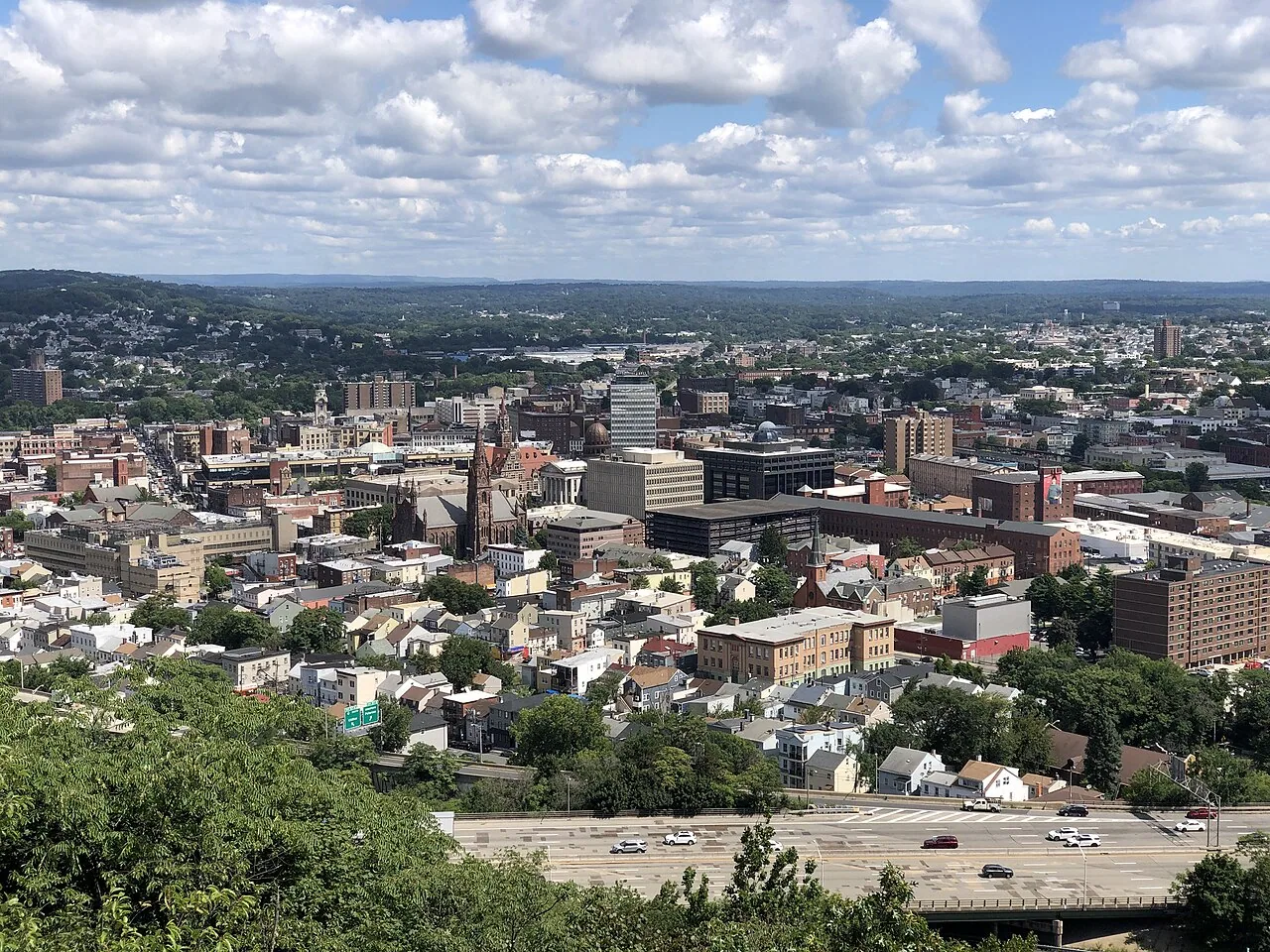
A service entrance, residential lobby and industrial loading route create different ground-level constraints. We confirm which one the roofing crew will use, how material can reach the work area and whether protection is needed below a tear-out or repair. The written scope names the access assumption so ownership can correct it before mobilization. A route that crosses an active receiving area may require a different delivery time or a smaller staging footprint; a route through occupied space needs coordination with the person responsible for that space.
We phase the roof work so an open section can be prepared and closed under the expected conditions. This is especially relevant where a roof area serves several building operations. We identify the point at which an adjoining membrane or curb must be tied in, then plan a close-out sequence that does not leave a temporary edge untreated. If another trade controls rooftop equipment, its shutdown or movement is listed as a dependency rather than quietly assumed. Work phasing for occupied buildings can protect routine access while keeping each roof zone tied to a defined completion point. The access plan changes when the actual building does, so we confirm it with ownership before work starts.
River boundary and runoff: Inspect the actual low points
The Passaic River borders Riverside to the north and east, but that location alone does not describe a roof's drainage or flood exposure. We inspect the building's drains, scuppers, sumps, slope and discharge path as found. The relevant questions are whether water leaves the roof, whether a drain connection is sound, and whether wet material is present around the low point. If staining appears inside, we compare the location with roof-side evidence before assigning a cause. A blocked drain, failed flashing and deteriorated membrane can produce similar interior symptoms while requiring different repairs.
Madison Avenue runs through the neighborhood, and Route 20 follows its eastern boundary. Those broad location details help orient service planning, not establish the roof assembly or a particular street closure. We confirm the loading and access conditions with the property contact. Roof drainage work may involve resetting a drain, repairing the membrane connection, replacing wet insulation or considering a wider slope correction. Drain and scupper repairs address the actual receiving detail, while persistent ponding evaluation looks for the condition holding water. Each item is separated so ownership can authorize the demonstrated issue without inheriting an undefined reconstruction allowance.
Existing layers: Find out what can receive new work
Industrial roofs may support equipment, rooftop lines or service traffic, while residential portions can have different penetrations and occupant protections. Those are inspection questions, not assumptions about every Riverside property. We record what is present, where the membrane terminates, and whether the proposed repair material can bond to a stable receiving surface. Loose surfacing, wet insulation or a moving joint can change the method. If the assembly is layered, we note which material is visible and where an opening would be necessary to understand what remains concealed.
A coating or recover is only a viable comparison when the existing roof can accept it. The receiving membrane must be suitable, the roof dry enough, and details at drains, curbs and edges able to accommodate added material. A recover assessment considers those limits before an overlay is priced. Where the system is near the end of useful repairability, replacement planning includes substrate preparation, insulation, attachment and new flashing. We outline the physical condition that supports each choice. That lets the owner compare current repair with future capital work without treating an unknown layer as a confirmed defect or a ready base.
Approval point: Price discoveries before they expand work
A repair estimate should state the area it includes and the finding that could change it. We prepare the affected surface, complete the seam or flashing repair and restore the tie-in using compatible materials. If the opening reveals a larger wet area, failed cover board or damaged deck, the crew photographs it and reaches the agreed stop point. Ownership sees the additional work, its cost driver and any schedule effect before it becomes part of the authorized scope. This avoids confusing an emergency cover with the completed permanent repair.
For a portfolio with properties that have different uses, a repeatable record helps compare priorities without treating every roof alike. Photo-based roof findings can preserve the condition, access limitations and remaining work. At a nearby district comparison, South Paterson's Main Street commercial concentration may require different storefront coordination, while Downtown Paterson's older commercial buildings can raise distinct perimeter or preservation questions. The building being evaluated remains the basis for its own scope. A repair, coating and replacement comparison should identify inclusions, exclusions and the specific evidence that would move the decision.
Weather and closeout: Do not leave a temporary measure undefined
Wind-driven rain can reach an unfinished edge or temporary cover, so the planned opening size and daily close-out matter. We schedule around the available weather window, stage compatible materials and decide how a work area will be protected if conditions change. A temporary measure is labeled by the area it covers and the permanent detail it does not complete. If moisture is found below the membrane, the material may need replacement or drying before the roof is closed. We show that task in the change item rather than burying it in a general allowance.
Commercial Roofing Questions
Does a roof near the Passaic River need a special membrane?
Proximity alone does not select a roof system. We inspect the assembly, drainage, attachment and exposure at the property, then compare compatible repair or renewal options.
Can one roof serve both industrial and residential spaces?
A building may combine uses, but the roof and interior conditions must be confirmed. We identify access routes and protection needs for each affected space before sequencing the work.
What does a repair estimate include if layers are concealed?
It states the visible work and defines an opening or release point that could reveal additional material. We document any discovery and price a change for approval before expanding removal.
How do you decide between coating and replacement?
The existing surface, wet insulation, adhesion, drainage and edge heights control the comparison. A coating requires a suitable receiving roof; widespread or unsuitable layers may support replacement instead.
Can a roof work plan account for a loading area?
Yes. We confirm access and staging with the property contact, then note the assumed route, protection and any separate lift or delivery approval in the work plan.
Make the Riverside scope specific
Send the property use, roof concern, access route and approval timing. We will inspect the affected zone, document what the assembly can receive and price the confirmed repair boundary.