Commercial Roofing for Investors and REITs in Paterson, NJ
Evaluate investment-property roofs in Paterson with measured deck-opening allowances, renewal comparisons and construction timing tied to ownership decisions.
Investors and REITs
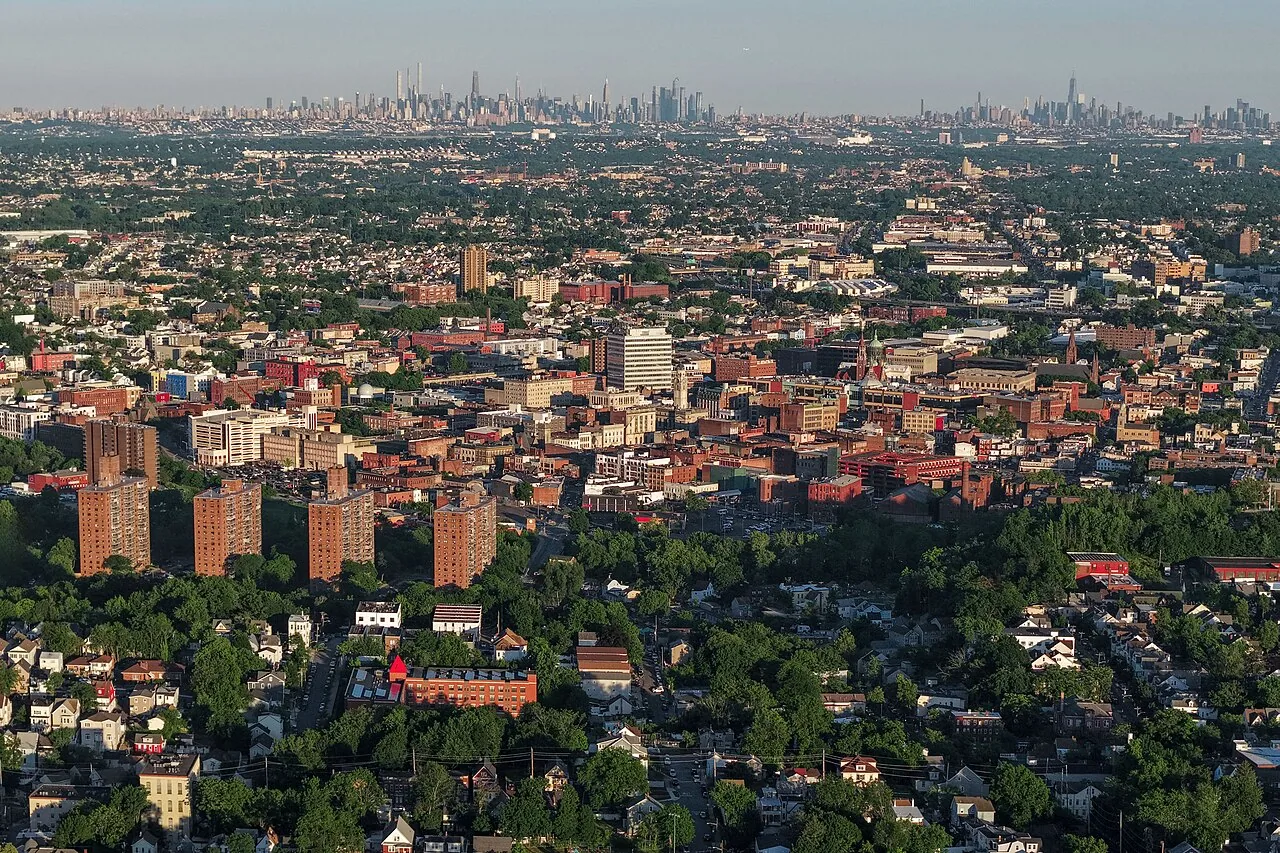
A deck opening exposed during a tenant conversion can change an investor's roof expenditure before the planned membrane renewal starts. An obsolete penetration may need support reconstruction as well as weather closure, and the receiving condition determines whether the surrounding assembly can remain. For investment property in Paterson, NJ, we separate that construction question from the field-roof quantity. Ownership receives the assessment and removal allowance needed to decide whether the alteration should be completed with the renewal or as a distinct repair stage.
A property acquisition, tenant improvement and roof replacement can have different decision dates. We examine the affected assembly and identify which finding changes the proposed work, rather than treating those dates as evidence of physical roof condition. Roof assessment for an ownership decision can establish visible concerns and the investigation required before construction is priced. The owner can then compare retained material, local reconstruction and broader removal on a consistent basis, with structural or service dependencies kept separate from ordinary field installation.
Obsolete opening: Establish the supporting construction
A removed duct or equipment curb can leave a roof opening that needs a suitable deck infill and complete weather connection. We examine available receiving information and coordinate assessment where supporting construction requires another discipline. The roof allowance should identify preparation, new layers and the transition to retained material. Ownership can approve that defined assembly after the supporting task is established, instead of paying for a surface closure that leaves the receiving opening or attachment question unresolved beneath it.
Adjoining insulation may have damage unrelated to the planned tenant change. We explain suitable examination and the additional removal needed if that condition is found. The investor sees the conversion-related task and roof deterioration distinctly, allowing approval to follow the construction each requires. Where the old assembly remains suitable, a contained connection can preserve it. Where wider receiving damage is established, the renewal comparison includes that quantity rather than burying it inside an unexplained allowance for the tenant's alteration.
Former mill space: Examine the assembly serving the new use
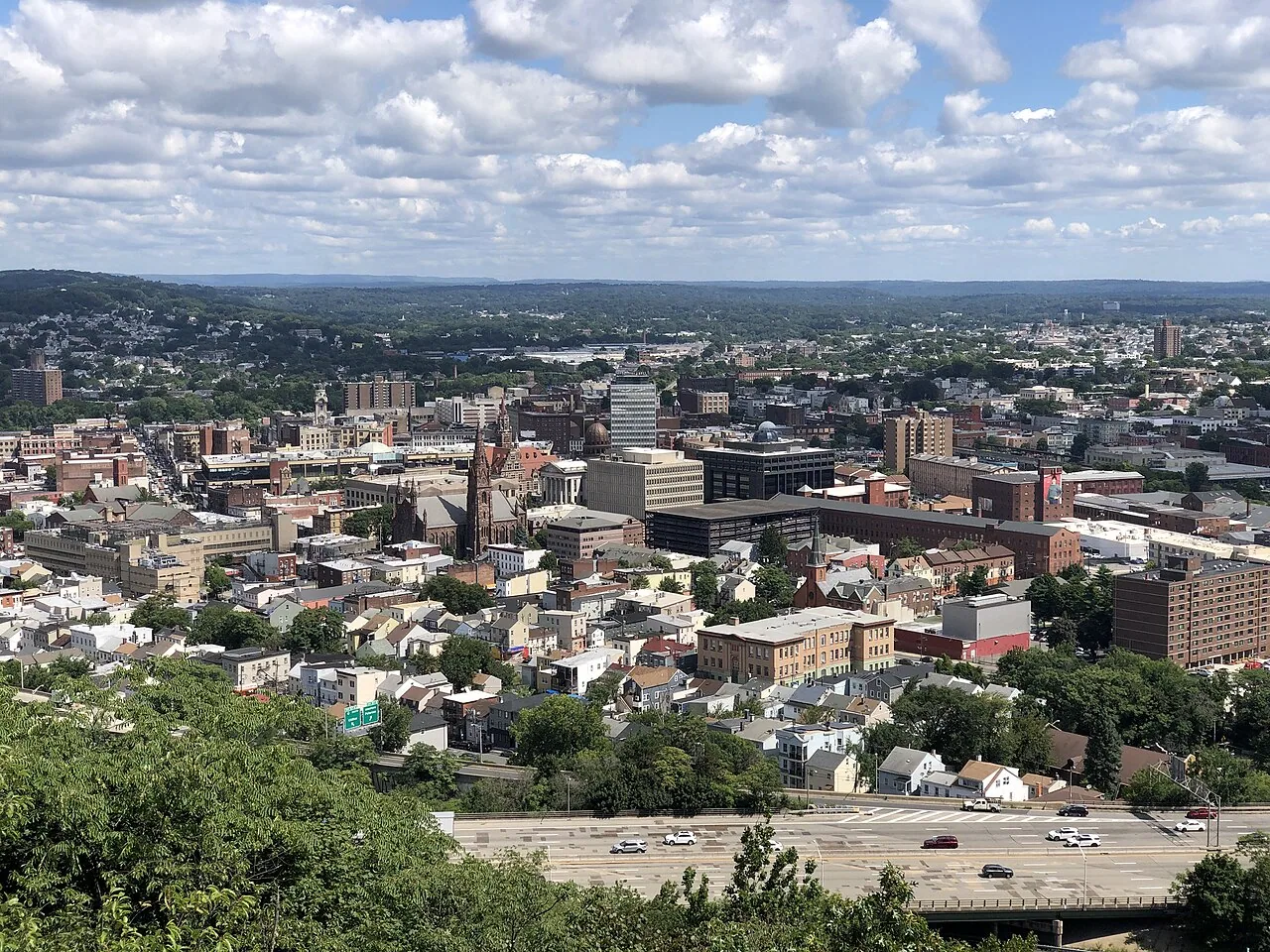
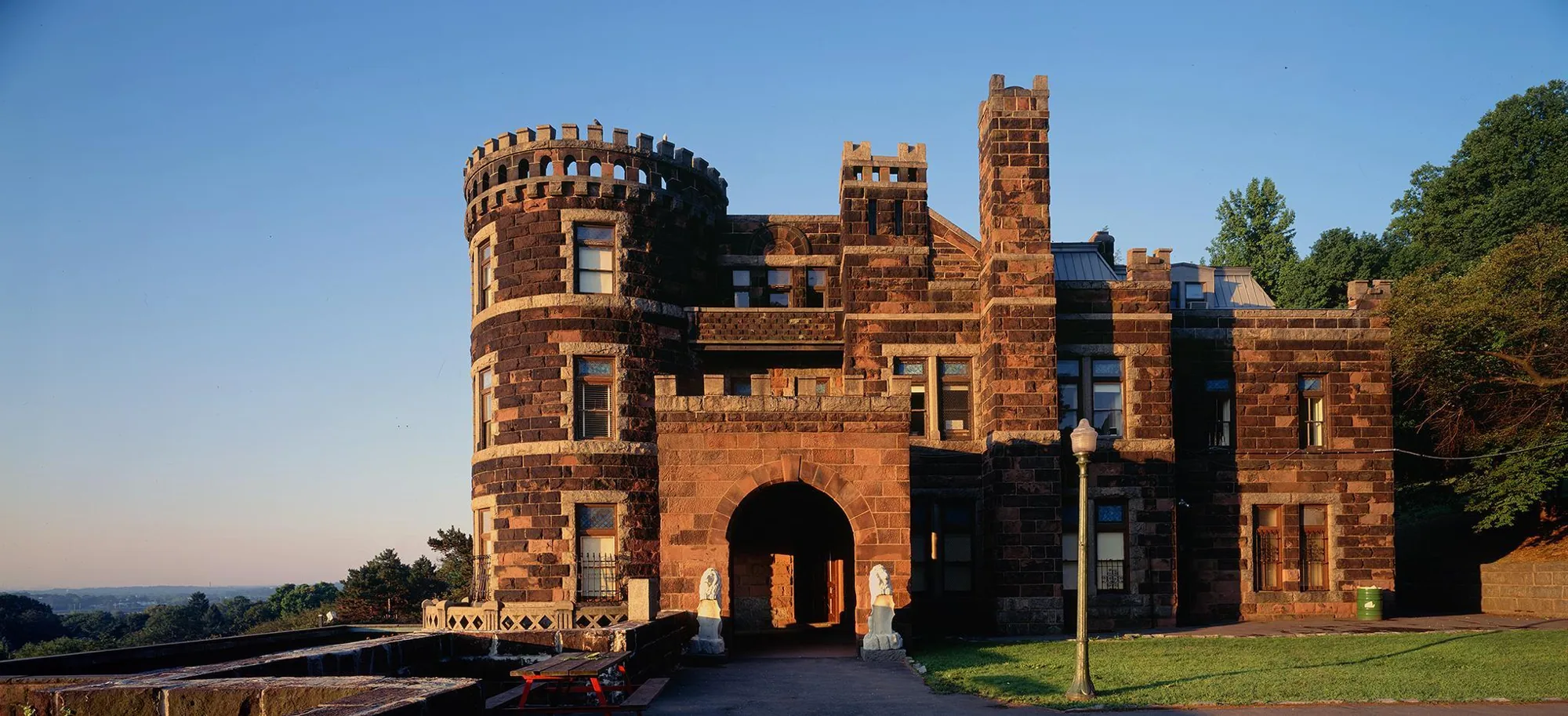
Paterson's former industrial building stock includes surviving tall brick mills and adaptive reuse associated with its historic industrial setting. A requested conversion within that building context needs the actual roof and supporting details examined before the new use is scheduled. We identify the roof connections affected by the alteration, with the receiving-deck question distinguished from membrane condition. The owner receives a construction boundary specific to the requested property, giving the capital decision a physical basis before interior completion limits access to an obsolete penetration.
The Great Falls Historic District retains mill buildings and waterpower raceways connected with textile and locomotive production. For a requested property within the broader Great Falls Historic District, existing building details and applicable project requirements need assessment alongside the planned change. We coordinate the roof task with the responsible representative and design work where required. The construction allowance then addresses the actual assembly being altered rather than selecting a material quantity from the building's former use alone.
Renewal alternatives: Compare complete construction boundaries
A new field membrane with the obsolete opening reconstructed is one option; localized closure followed by later renewal can be another where condition supports it. We explain the receiving work common to both and the tasks that would need repeating under separate stages. Ownership can compare handling, preparation and transition work for complete alternatives. That makes the expenditure decision about defined construction and its timing, rather than a comparison between a finished renewal and a repair figure missing the supporting connection.
Planning roof expenditure around condition and construction should distinguish work needed for current weather closure from renewal that can be scheduled separately. We identify the physical basis for retention and the areas requiring further assessment. A broader tear-off decision can alter disposal, receiving-layer preparation and detail heights. The investor receives those consequences before selecting a scope, with the obsolete penetration included consistently so its required reconstruction does not disappear from whichever option initially appears smaller.
Decision timing: Link the roof task with the property event
A pending lease commencement can limit access to the space below an opening. We identify investigation and supporting work that need to occur before occupancy changes the construction route. The owner's decision date then relates to those actual dependencies, including the material and service tasks necessary for permanent closure. Coordination through the property manager helps establish who controls the affected space and equipment, with the approval responsibility arranged before removal disturbs an assembly serving another party's operation.
A planned transaction may instead require a condition account before construction is authorized. We record accessible findings and identify selected exposure or other assessment that would resolve a receiving question. Hands-on roof examination supports that distinction between observed material and the work necessary to price a concealed condition. Ownership can arrange the investigation appropriate to the decision while retaining a separate construction instruction, preventing a requested assessment from becoming undefined approval for broad removal before the transaction scope is settled.
Hackensack building use: Establish the requested ownership scope
Hackensack has industrial properties, office buildings and downtown apartments. Those uses can present different operating conditions beneath a proposed roof opening, even where the investment decision concerns the same kind of alteration. For a requested Hackensack property, we establish the affected interior area and service route before defining a construction period. Ownership receives the receiving-layer allowance and access task for the actual building, with the property's use informing coordination rather than substituting for examination of its roof.
Roof work associated with office occupancy and construction above apartments can require different protection and notification arrangements. We identify the task relevant to the requested space and the permanent closing point for its opening. Renewal carried out in occupied-building stages needs suitable transitions between retained and new areas. The investor can evaluate that sequence against the operating period, with drainage and supporting work considered before selecting a stage that would leave the connection inaccessible at its completion.
Ownership record: Distinguish completed work from retained condition
A repaired conversion opening does not establish the condition of every retained field area. We identify the constructed infill, new roofing extent and adjoining material left outside the task. Coordination with the construction team keeps supporting work and weather closure sequenced where the alteration forms part of a wider project. Ownership receives those completion responsibilities separately, allowing the property instruction to close against the assembly actually finished rather than a general statement that all roof concerns have been resolved.
We discuss inspection at the reconstructed transition after service or alteration activity, with attention to movement, drainage and physical disturbance. A later condition elsewhere requires its own assessment before additional removal is approved. The investor retains a clear distinction between the construction bought for the conversion and the supporting information needed for future roof expenditure. That record helps the next ownership decision begin with the affected material and work dependency, instead of reusing an old opening allowance for a different defect or assuming retained roofing received renewal treatment.
Commercial Roofing Questions
Can a tenant-conversion opening be closed before the whole roof is renewed?
A separate closure may be practical where the receiving assembly allows a durable connection to retained roofing. We establish supporting work and adjoining material condition first. The owner receives the local reconstruction and any later repeated preparation as distinct quantities when comparing separate stages with combined renewal.
Which supporting issue can change the allowance for an obsolete roof penetration?
Deck infill, attachment and the receiving structure may need assessment beyond the membrane detail. We coordinate the relevant construction question before closure is specified. Ownership can then approve complete supporting and weather work rather than a patch priced without the assembly needed beneath it.
How should an acquisition survey handle a concealed receiving-layer question?
Accessible findings are recorded with the investigation needed to resolve the concealed condition. We explain suitable exposure and restoration before it is arranged. The investor can authorize that assessment for the transaction while keeping a separate decision for the construction quantity established afterward.
What separates a completed alteration repair from the next roof expenditure decision?
The finished opening, new material and retained field boundary need identification. We explain upkeep at the constructed transition and examine later deterioration on its own merits. Future approval follows the assembly affected then, preserving a distinction between conversion work already purchased and another condition requiring removal.
Define the roof allowance for the ownership decision
Send the investment property, proposed alteration or roof concern, assembly records and transaction or approval date. We will establish the receiving questions and complete construction options for the expenditure under review.