Roof Drains and Scuppers in Paterson, NJ
Correct roof drains and scuppers in Paterson with connection repairs, elevation checks and defined plumbing boundaries that clarify cost and working periods.
Roof Drains and Scuppers
A scupper sleeve pulling away from the wall leaves an approval choice between replacing the visible metal and reconstructing the receiving connection behind it. The owner needs that boundary established before paying for a component that cannot be integrated with the existing roofing. In Paterson, NJ, we examine commercial roof drains and scuppers as part of the water path, then define the connection, surface and trade work needed. The proposal identifies which finding could expand the repair beyond the outlet itself.
Drainage work can include cleaning, new flashing, an outlet replacement or a change to the surface directing water toward it. Those tasks have different construction requirements and costs. We examine the component and surrounding roof before selecting the scope. Where persistent roof water needs correction, the location of an outlet and the roof elevations matter alongside its condition. Ownership receives the proposed correction and any further investigation needed before permanent work begins.

Drain body: Examine the roofing joint
A loose clamping ring or deteriorated flashing at a drain can admit water even when the pipe remains open. We inspect the accessible connection and the surrounding membrane to identify damaged material. The repair must suit the drain assembly and reconnect it with sound adjoining roofing. A replacement ring, flashing repair and drain-body replacement are different scopes; each needs its receiving condition established so the owner can authorize the component actually requiring work.
Removal around the outlet may reveal unsuitable insulation or a weakened base. We describe the opening needed and how it will be closed, then revise the boundary if the exposed condition requires additional construction. A plumbing connection beneath the roof can also affect the sequence. The proposal separates roofing work from pipe or body work assigned to another trade. Ownership can coordinate both responsibilities before the old connection is disturbed, rather than discovering during removal that permanent closure depends on an unarranged plumbing task.
Scupper throat: Restore the wall transition
Corrosion or movement at a scupper can compromise the connection where roofing turns into the outlet. We examine its metal, membrane integration and surrounding wall surface. A suitable repair may involve replacing the sleeve, restoring the receiving area and reconnecting the flashing, rather than covering an open joint with a surface patch. The included construction identifies that boundary and the material being retained, allowing the owner to understand why the work extends beyond the face of the outlet.
An exterior conductor head or downspout needs to receive the discharge without interfering with the scupper opening. We inspect accessible connections and identify damaged or displaced components requiring attention. Metal and exterior drainage repairs may share an access arrangement with the roof work, but their quantities should remain clear. A blocked downstream component can change the useful correction. We establish that responsibility before assuming that reconstruction of the roof-level throat alone will resolve the observed drainage concern.
Low areas: Determine whether slope must change
An intact drain positioned above a surrounding low area cannot collect all the water retained below it. We examine the local surface and arrange measurements where an elevation correction is being considered. A contained sump adjustment may be practical at one outlet, while a wider area can need tapered insulation or design changes. Ownership should receive the roof area involved and the receiving assembly requirement before approving a drainage allowance that includes more than a connection repair.
Tapered insulation and supporting layers need to connect with the retained assembly and preserve suitable height at nearby details. Changing a water path can affect curbs, door thresholds and wall terminations. We identify those relationships when defining the work, including any structural or design assessment required. The owner can compare a local correction with a larger renewal option using the construction consequences of each, rather than choosing an outlet solely because it is nearest the visible water accumulation.
Working sequence: Keep an outlet available during repair
Removing a drain connection creates an opening that needs protection until the permanent detail is complete. We establish the weather conditions, materials and trade availability required for that sequence. A replacement body connected to concealed piping may need plumbing work before the roofing can close. Ownership receives the responsibilities and working period together, so the outlet is not dismantled without a practical route to completion. Temporary protection is identified separately where the final component cannot yet be installed.
Building operations can restrict access below the connection as well as on the roof. We agree on interior protection, equipment isolation and the area needed for inspection with the building representative. At an occupied warehouse property, stored materials beneath the affected location may need a clear working area. The arrangement should be made before removal, allowing the permanent task to proceed within the agreed period instead of leaving a partially completed roof detail while access beneath it is negotiated.
Paterson buildings: Connect runoff with the property layout
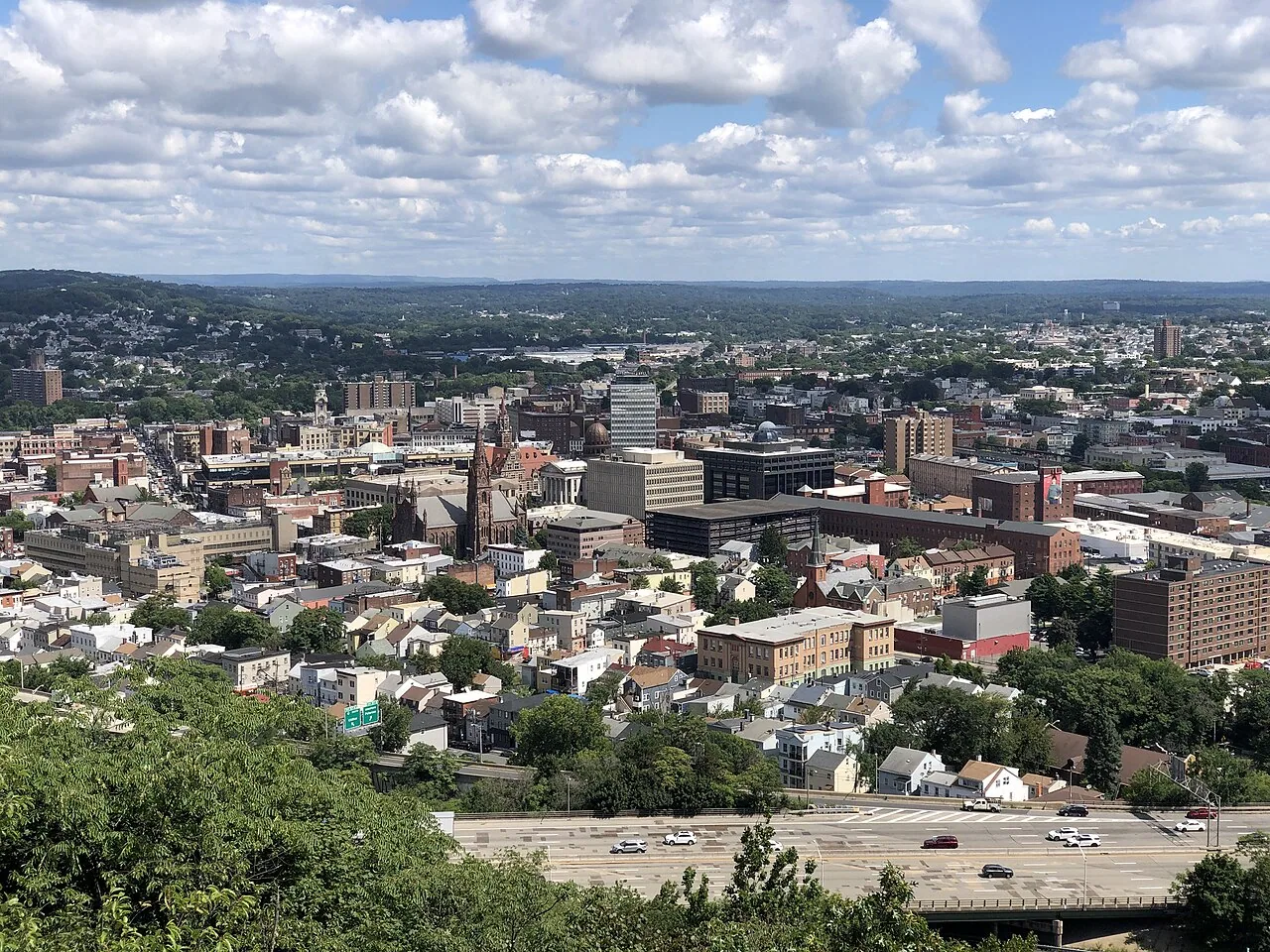
Former brick mill buildings remain in Paterson and are undergoing preservation and adaptive reuse. A wall outlet at such a property needs examination of the actual receiving surface and roofing transition before repair is defined. We identify access to both sides of the relevant detail where the construction requires it. Wall condition, adjoining material and interior use can influence the removal allowance and working sequence, so the proposal addresses the connection found rather than treating every outlet as an interchangeable metal opening.
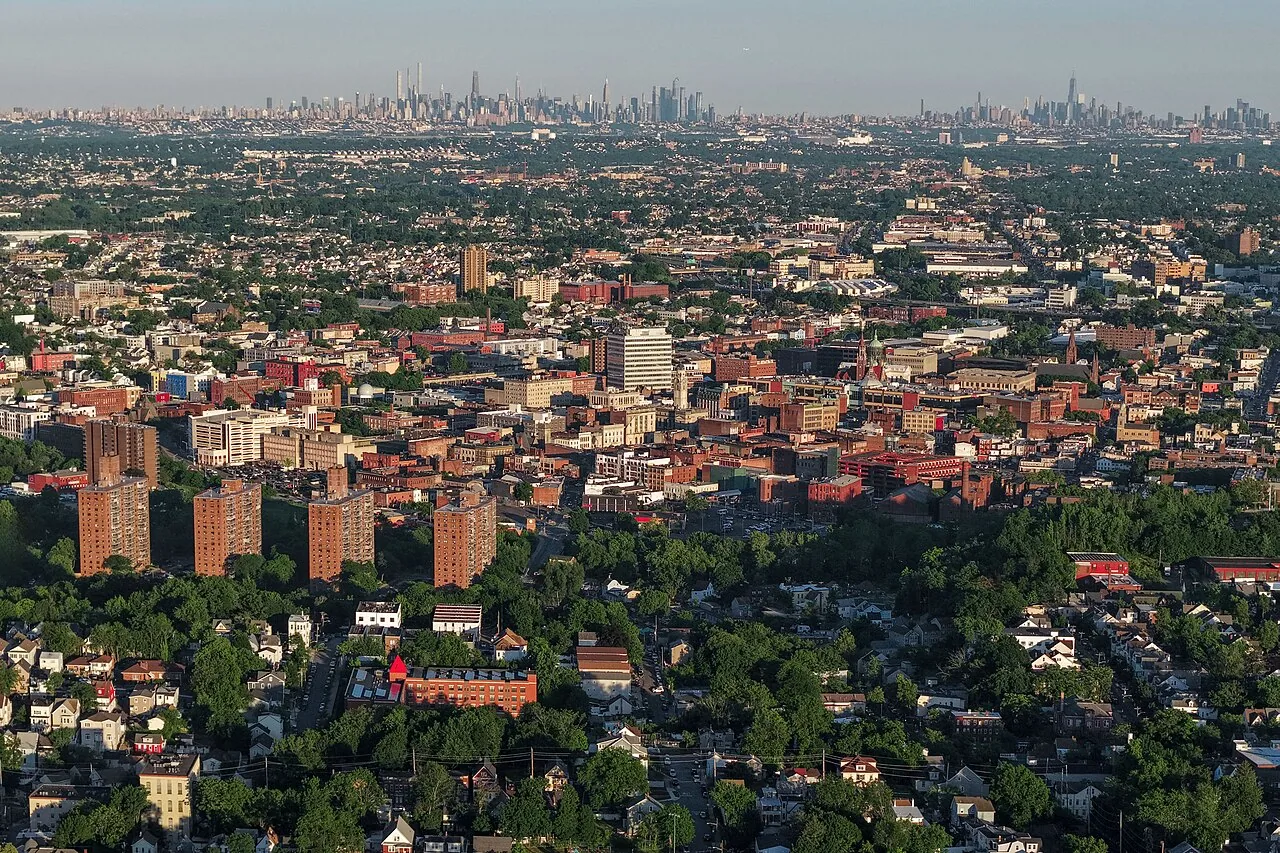
Riverside includes industrial activity near Madison Avenue and Route 20. Drainage repair at a requested industrial building may require coordination with equipment access and the interior area beneath an outlet. In Downtown Paterson, Main and Market streets support commercial uses, making exterior access and entrance protection important for an affected street-facing component. We establish those property-specific arrangements before scheduling, with roofing and downstream responsibilities defined so the owner can arrange the people and access needed for one workable repair period.
After closure: Check the repaired water path
A completed connection should be examined for suitable integration with the surrounding roofing and an unobstructed outlet opening. We identify the drain or scupper repaired, the material replaced and any adjoining concern left outside the approved scope. Where testing is appropriate, its method and limits are agreed for the assembly. The owner receives a distinction between a restored connection and a wider elevation or piping issue requiring another task, preventing the handover from obscuring remaining drainage work.
Debris exposure and equipment activity can change the condition after repair. Scheduled outlet cleaning and checks can be included in the ongoing upkeep, with access and disposal arrangements defined. A recurring accumulation should prompt examination of its collection route rather than only another cleaning charge. We describe the location and task worth checking after the correction, giving ownership a maintenance decision tied to a known outlet and water path instead of an undefined instruction to monitor the entire roof.
Commercial Roofing Questions
Why can an open pipe still leave a leak at the roof drain?
The membrane connection, clamping components or drain body can be damaged independently of a blockage. We examine those accessible parts and the adjoining roofing. The proposed repair addresses the failed connection, with plumbing work identified separately where the body or pipe needs attention.
Does standing water call for an additional scupper automatically?
Surface elevations and the existing water path need assessment first. A new outlet may require wall work, downstream drainage and design consideration. We compare that construction with correcting the local surface before ownership approves a change to the outlet arrangement.
Who coordinates pipe replacement when the roof connection is rebuilt?
We define the roofing scope and identify the plumbing task required for closure. The owner and building representative can then arrange the responsible trade and access period. Removal proceeds with the permanent sequence established, including protection while the connection is open.
Can a tapered correction near a drain affect an equipment curb?
Added height can reduce the clearance available at nearby transitions. We examine those relationships when measuring the proposed correction. A curb or wall detail may need separate reconstruction, which changes the allowance and should be identified before new layers are installed.
Measure the outlet correction
Send the building location, affected outlet, water accumulation photographs, access limits and decision date. We will establish the connection repair, elevation questions and trade work needed to price a complete drainage correction.