Commercial Roofing in Clifton, NJ
Clifton commercial roof work for offices, medical practices and retail buildings, with repair and renewal scopes tied to access, drainage and approvals.
Clifton
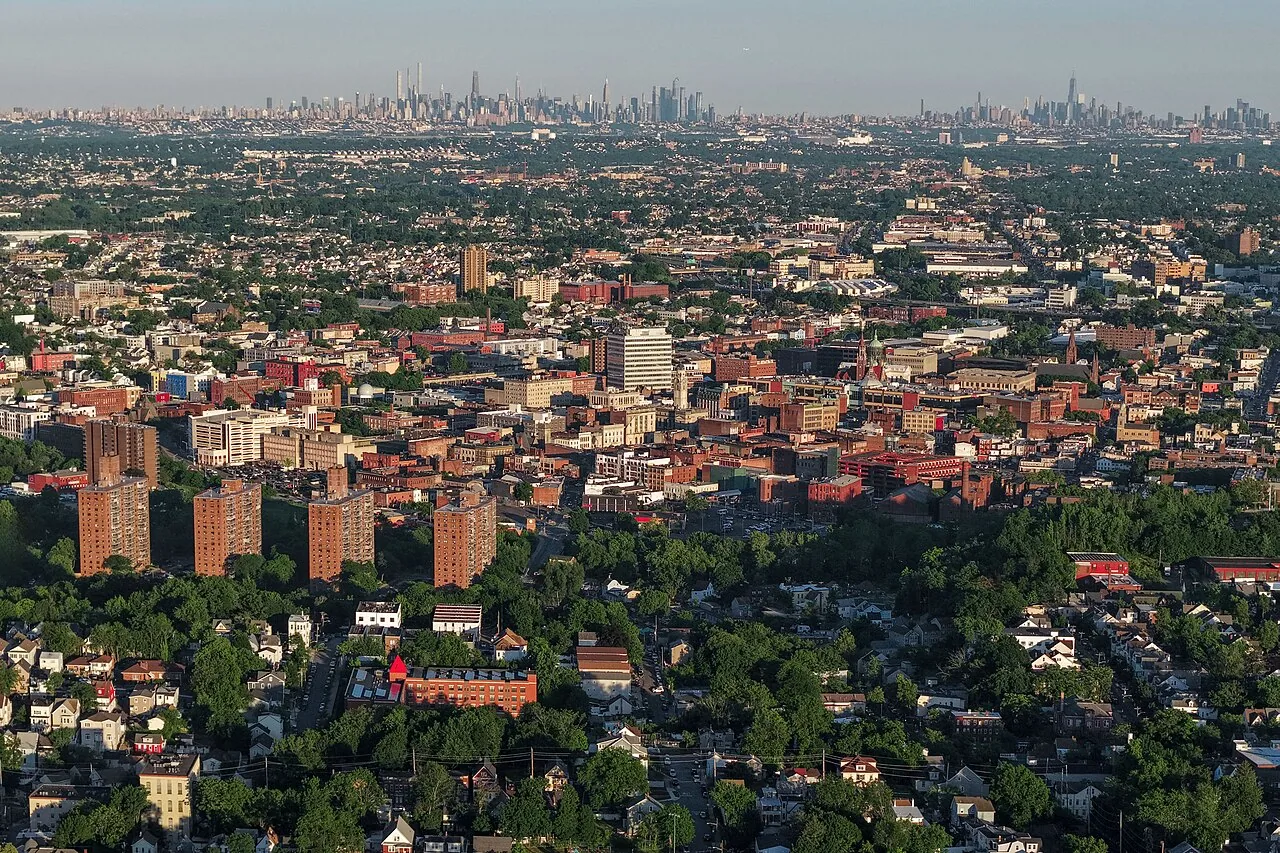
A medical office can have a roof leak above a treatment area while the actual opening sits at a curb or seam elsewhere on the roof. We map the interior concern to a roof-side detail, then price the repair limit and any investigation that could expand it. Clifton, NJ, is a Passaic County city adjoining Paterson, with low-rise professional offices and medical practices along a portion of Clifton Avenue. Commercial property also follows Route 3 retail development. This mix means access, patient or customer movement and the owner's approval timing belong in the work plan alongside membrane and flashing details.
We inspect the assembly at the reported area, checking seams, edge metal, drains, penetrations and transitions to walls or equipment. The visible surface tells us what material is present; it does not establish whether insulation is dry below. When a small opening can answer that question, we define its location and size before proceeding. The estimate separates the confirmed repair from that release point, then documents any wet material or deck condition if ownership authorizes the opening. This gives the decision-maker a price for known work and a specific next choice instead of an undefined contingency.
Clifton's local facts help explain the building uses, not the condition of any individual roof. We plan around the actual property and confirm its roof access with the manager. A commercial roof inspection records the findings and repair boundary. If the building remains occupied, phasing the work around active rooms can limit disruption while keeping safety and access controls explicit. The crew's sequence is matched to the approved scope, the opening that can be closed that day and any operating restrictions ownership identifies.
Office and medical uses: Coordinate rooms and roof access
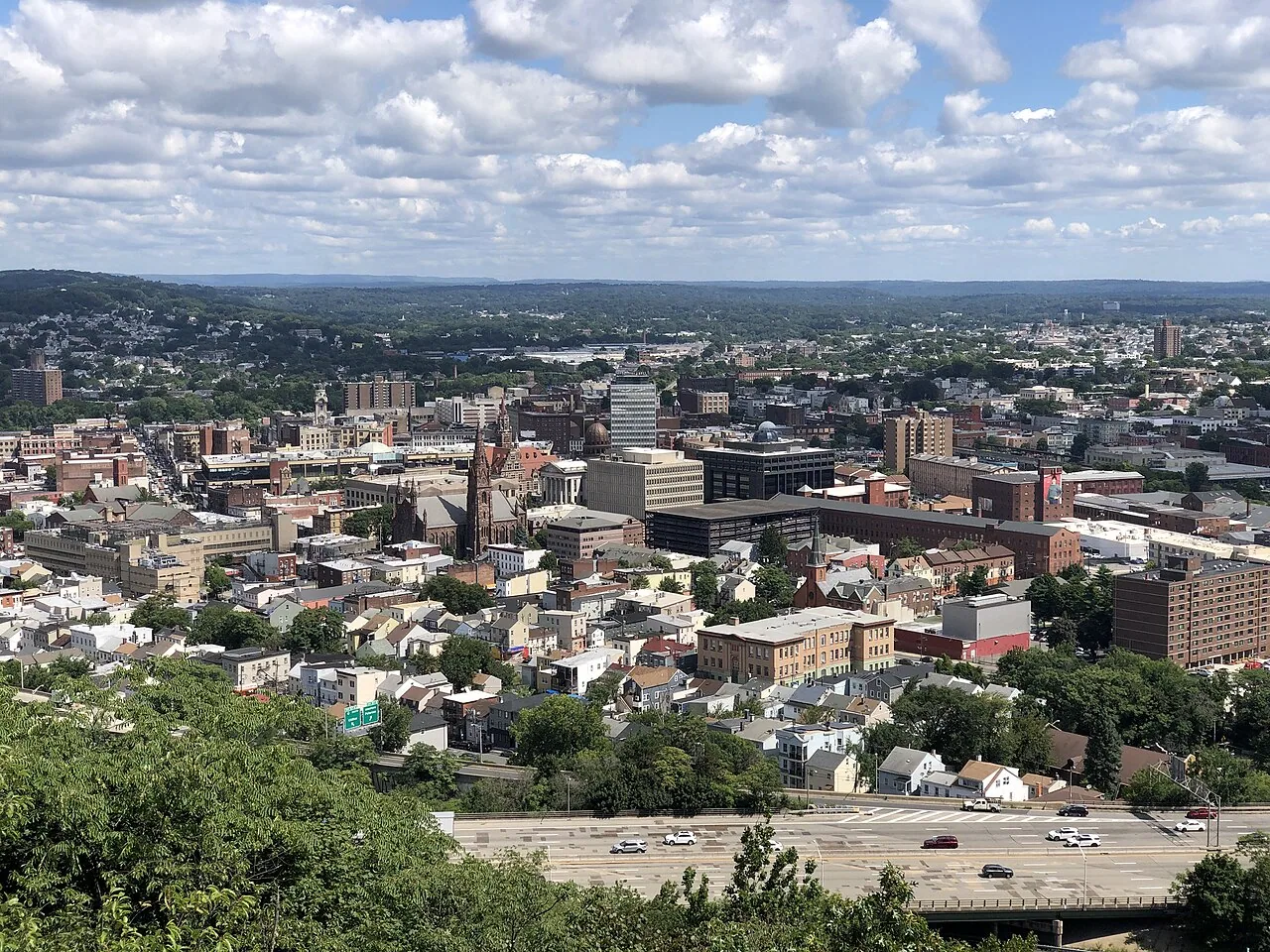
Clifton Avenue between Van Houten and Allwood Road includes low-rise professional office buildings and medical practices. A roofing repair above one of those uses may require a quieter work period, a protected entrance or advance coordination if ceiling access is needed to inspect a wet area. We confirm those limits with the property representative; we do not assume every office or practice has the same schedule. The work order identifies the roof zone, access route and any area below it that needs protection during removal.
Roof equipment and penetrations can interrupt the membrane at each office, but their location and condition are verified in the field. We inspect the curb, counterflashing, pipe boot and adjoining seam before assigning a fix. If equipment service is needed to expose the connection, we identify that trade dependency and its timing before the roofing crew mobilizes. Flashing at curbs and penetrations must connect to a stable receiving surface. A repair around an in-service unit should not leave a loose edge or a gap hidden behind a cover. We document the tie-in and identify the work another trade must complete before final closure.
Route 3 retail: Keep deliveries and entries workable
Route 3 serves major retail development in Clifton, including Clifton Commons and the Promenade Shops. Those named centers are context for the city's retail pattern, not proof of a specific tenant or roof assembly. On a retail property, a repair schedule may need to avoid receiving hours or protect customer routes, while a replacement may need a separate lift and delivery plan. The owner confirms site rules, staging and any temporary access change. We put those assumptions in writing so the roof scope and the ground-level work plan agree.
Before removing material, we set the section size by what can be safely prepared and closed under the planned conditions. If a delivery slips or rain threatens, the crew needs a defined stopping point and protection method. The proposal should identify whether a temporary cover is included and what permanent detail remains open. Urgent roof response is available at any hour, every day, including holidays, for containment and documentation. The permanent repair is then scoped against the condition exposed. For storefront owners, that distinction clarifies which immediate measure protects the building and which follow-up needs a separate approval.
Assembly fit: Compare the layer that can stay
A roof recover can reduce removal and preserve a usable existing system, but the receiving roof must be suitable. We inspect for wet insulation, delamination, open seams, attachment concerns and details that cannot accept additional height. Added layers can change a curb, drain or wall termination. Those consequences are included in the comparison before the owner approves an overlay. If we cannot establish the retained layers from visible conditions, a controlled opening can show whether the proposed assembly has a sound base.
A coating has a different test: the existing surface must be compatible and able to accept preparation and adhesion. A coating does not correct a moving edge or replace wet insulation. Recover planning examines the retained assembly and clearances. TPO renewal can be compared where the existing building and detail conditions support it. When failure is broad, complete replacement accounts for removal, substrate, insulation, attachment and flashing. We present each option as a complete scope, including what must be done at perimeters and penetrations rather than pricing only the field membrane.
Weather window: Keep each work area closable
Roof work depends on a dry receiving surface and a close-out method that suits the weather window. We plan how much material to remove, what product needs to be staged and how the crew will secure an edge if conditions shift. If water enters during an open repair, it can damage interior finishes and installed materials. Temporary protection is identified by area and duration, with the permanent seam or flashing still listed as the completion point. Damp insulation may require drying or replacement before it can be closed beneath a new membrane.
Clifton adjoins Paterson, but a nearby city's snowfall or rainfall observations are not a measurement of conditions on a particular Clifton roof. We monitor the work window and inspect the assembly itself. The date may also depend on equipment shutdown, material delivery or property approval. A scoped repair can fit a shorter opening than a full roof renewal; either way the proposal sets a start area and a daily close-out boundary. If discovery changes the work, photographs and a priced release preserve the owner's decision before the crew moves beyond approved limits.
Adjacent property decisions: Keep each roof record separate
The roof records still need separate addresses, access notes, assemblies and repair histories. A condition found on one property is not evidence that its neighbor has the same defect. We inspect each building and keep its findings, recommendations and approval boundary attached to that property. This helps an asset manager compare needs without blending separate roof conditions into one generic allowance.
Downtown Paterson's older commercial buildings may raise different perimeter questions from Clifton's professional offices. The Downtown Paterson service area includes its own access and preservation considerations, while South Paterson retail blocks have a concentrated Main Street commercial pattern. In Clifton, access along the office and retail uses is confirmed from the property contact rather than inferred from those neighboring facts. A written condition record with photographs keeps the findings tied to the correct roof and owner decision.
Commercial Roofing Questions
Can you repair a roof above an operating medical office?
We coordinate the roof access, work hours and any interior protection with the property contact. The repair area is phased to a defined close-out point, with room access scheduled only if an inspection needs it.
Does a Route 3 retail property require night work?
Not automatically. We confirm receiving hours, customer access, staging rules and the repair sequence with the owner, then identify the work window and protections in the proposal.
Can a coating stop recurring leaks at rooftop equipment?
A coating is not a substitute for repairing the equipment curb or flashing. We inspect the connection and surrounding material, then compare a detail repair with coating only if the field surface is suitable.
What if inspection finds a wet area outside the leak location?
We map and photograph the suspected area, then identify whether testing or an opening can confirm moisture. Any extra removal or replacement is priced for approval before work expands.
Can one roof plan cover Clifton and nearby Paterson properties?
A portfolio schedule can coordinate dates, but the roof condition, access, assembly and approval record remain specific to each building.
Set the Clifton work window
Share the property use, roof concern, access rules and approval date. We will inspect the affected detail, document the repair limit and identify any condition that could change the scope.