Commercial Roofing in Saddle Brook, NJ
Saddle Brook commercial roof inspections, repairs and renewals planned around access, vehicle routes, drainage details and owner approvals.
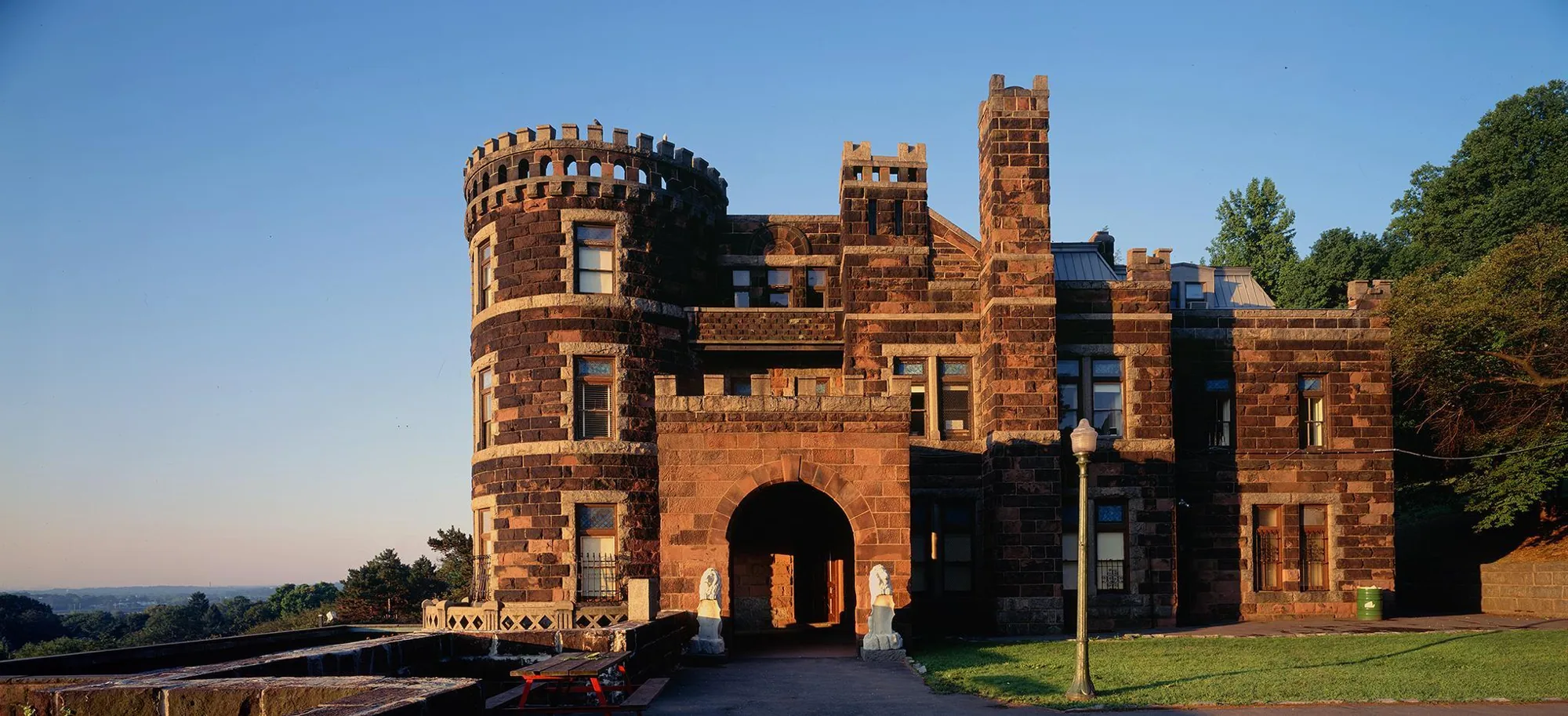
Saddle Brook
A loose roof edge near an active loading area can call for a contained repair without proving that the entire assembly needs replacement. We inspect the termination, receiving surface and nearby drainage, then price the confirmed detail and any test that could expose concealed damage. The Garden State Parkway and Interstate 80 interchange in Saddle Brook, with U. S. Route 46 also crossing the township. Those corridors frame regional access, but the property's actual entrance, staging limits and roof condition determine the work plan.
The inspection checks field seams, wall transitions, curbs, drains, perimeter metal and the area connected to the leak. Water can move under a membrane before it appears inside, so we follow and photograph the likely path rather than assuming the ceiling stain marks the roof opening. A test is a separate owner choice; its position, expected information and repair method are listed in the scope.
Commercial roof work may need to coexist with vehicle routes, tenant use, receiving periods or equipment access. The property contact identifies the path that stays open and the protection required below the roof zone. A documented inspection helps ownership decide between repair and renewal. Our crew can respond beyond standard hours, including holidays, to contain active exposure and identify the next permanent repair decision.
The inspection record separates a visible roof detail from a condition still hidden below the membrane. It lists areas reached, anything inaccessible and the evidence supporting the repair. If a test opening is recommended, we price its location and restoration separately. Ownership can authorize the confirmed leak correction while deciding whether more information is worth the additional opening. This makes the release point clear before removal changes the scope or the disruption period.
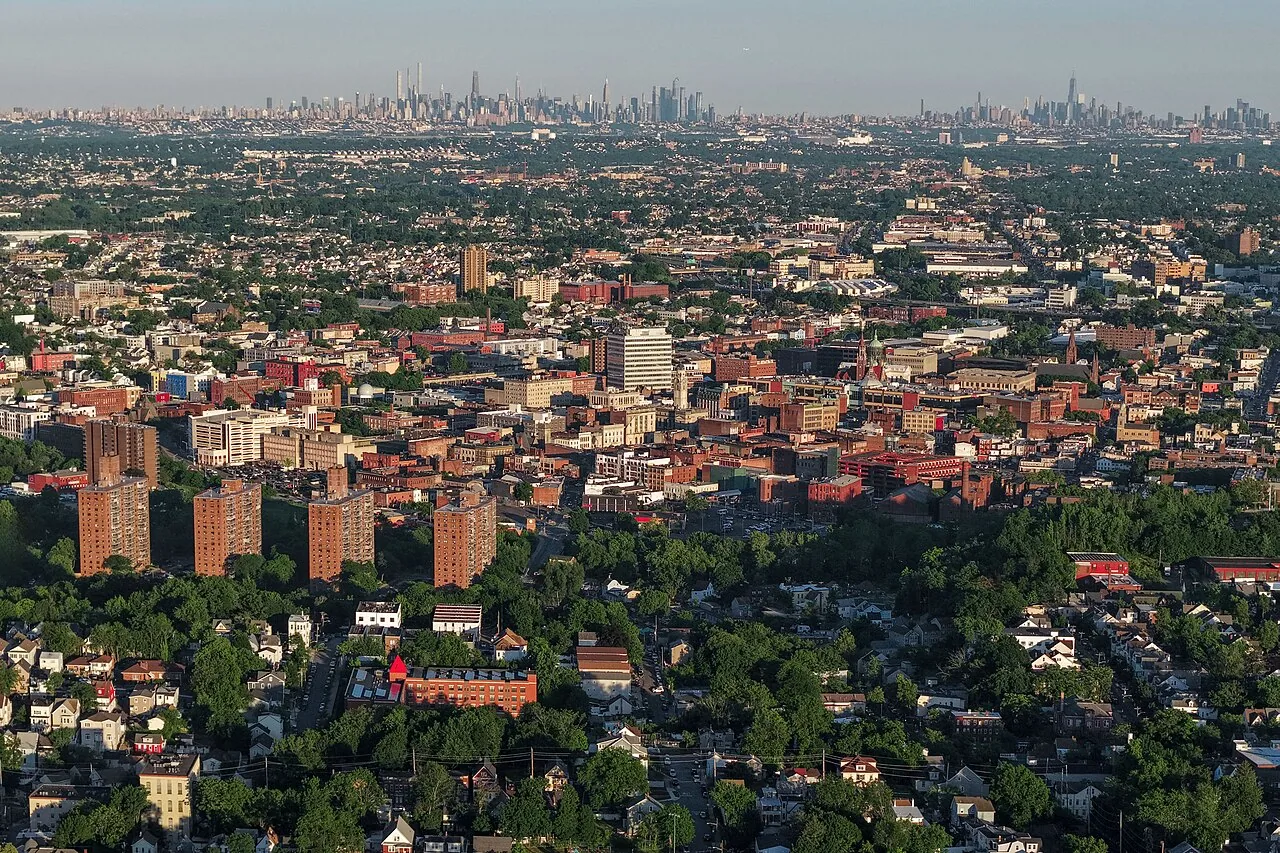
Interchange access: Confirm the approved property route
The Garden State Parkway and Interstate 80 meet in Saddle Brook, while U. S. Route 46 crosses the township. These roads offer broad orientation but do not establish a delivery time, driveway or staging right at an individual property. The manager confirms the approved entrance, truck clearance, receiving window, lift location and any path that must remain open. We record the contact who can authorize changes before materials and equipment are scheduled.
If a commercial building remains active below, phased roofing work separates the roof into zones and sets daily protection and close-out. A work area near a parapet or gutter may need a perimeter detail review to confirm where water is entering. The proposal names the receiving material, access steps and protection so the owner can see the actual disruption included in the price.
Before the work date, the property contact reviews the receiving window, truck route, staging footprint, lift location and end-of-shift security step. If a loading period conflicts with material delivery, the sequence can be revised before equipment is dispatched. A revised entrance or unexpected roof finding returns to the property contact before the crew changes its approved work area.
Work window: Protect loading and occupied areas
Material arrival, vehicle movement and roof staging can affect more than the roof itself. The property contact identifies receiving hours, a loading area that cannot be obstructed, access controls and equipment that may need coordination. If a lift or shutdown is part of the job, the dependency and responsible person are named in the schedule. We do not assume a clear-looking route is available without the owner's confirmation.
Emergency stabilization can limit active exposure, but permanent work still depends on approved access and a defined work zone. The sequence states when disruptive tasks occur, what remains open and how the area is secured at shift end. If the operating window changes, the supervisor reviews the schedule and any added cost with ownership before moving material or enlarging the work boundary.
The approved approach and any required change contact are recorded for the crew.
This confirmation is made before materials leave the supplier.
Drainage and transitions: Trace the leak
Water can enter at an edge, seam, curb, wall or outlet, then travel before appearing below. We inspect the connected route, including strainers, sumps, drains, scuppers and flashing terminations. A blocked drain and a loose perimeter connection require different corrections. If moisture could be beneath a covered layer, we identify the opening needed to confirm it and the restoration step before removal begins.
Drain and scupper repairs address a verified connection. When water persists after outlet cleaning, we check whether the low area comes from slope, insulation or another confirmed condition. The report distinguishes observations from an unconfirmed cause. This gives ownership the basis to authorize a targeted repair without approving general work outside the affected zone.
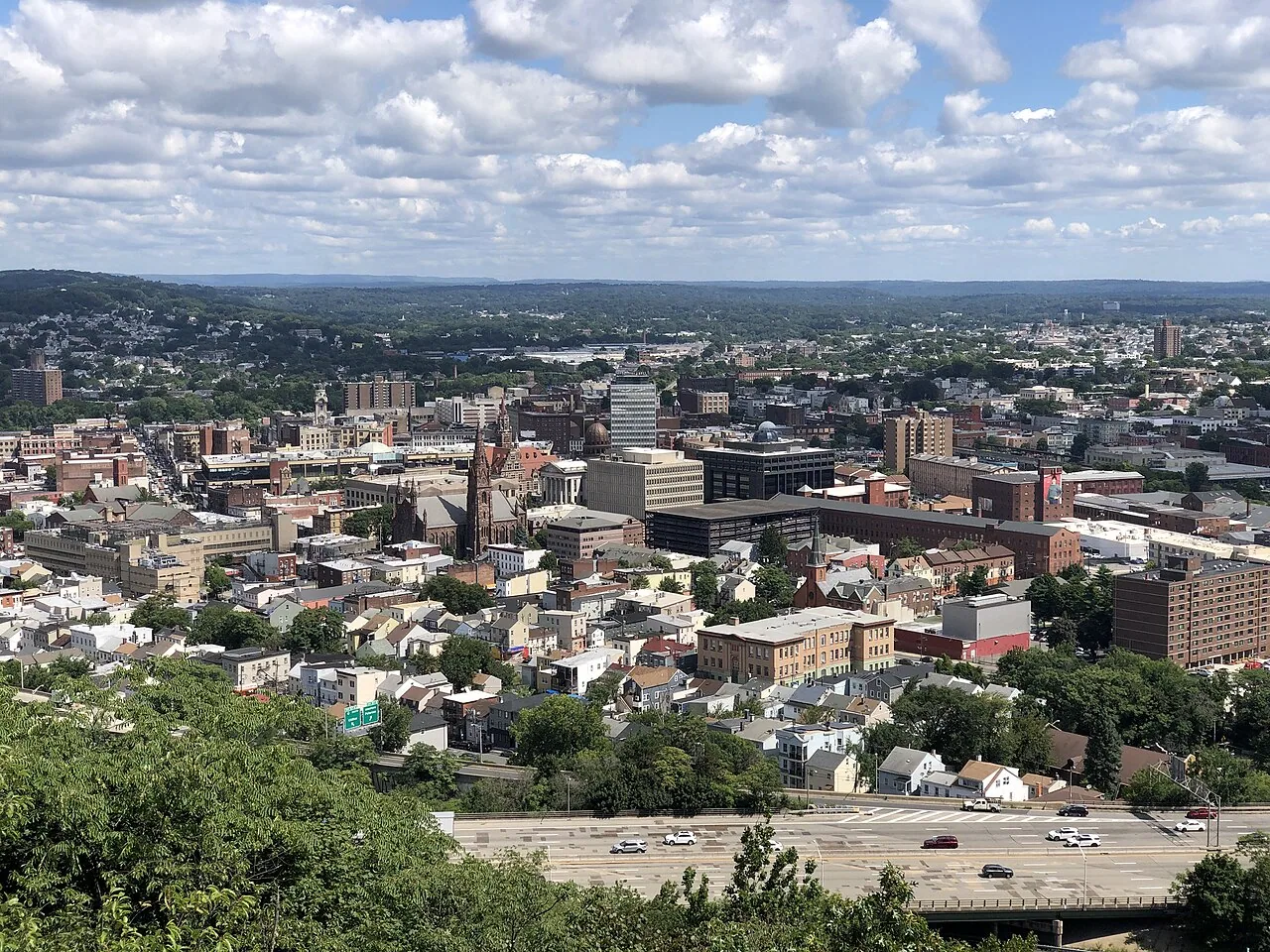
Repair or renewal: Match the option to evidence
At the approved roof section, the foreman shows where new material meets retained assembly and what lies beyond the contract limit. We photograph the completed connection and note any condition outside the approved area. Repeated leaks, widespread deterioration or wet insulation may justify a broader comparison. A replacement scope specifies removal, disposal, hoisting, perimeter work and daily protection. The price reflects those tasks and the access required. An overlay is priced when dry retained material, securement and perimeter elevations all support the added assembly. The recover review checks attachment, moisture and clearance. A coating also needs a compatible prepared surface; it cannot correct wet material. TPO roofing can be compared if its assembly requirements and owner criteria fit. The proposal explains what finding could change each option's cost or suitability.
Release point: Keep changes owner-approved
Before removal, the estimate identifies the roof zone, included material, protection below and any test allowance. If deck or insulation requires additional removal, we submit the observed condition and added cost before extending the work zone. Temporary protection is recorded by location and purpose; permanent correction stays a separate task. Added quantities do not proceed without authorization. We document the receiving surface first, then tie in the new piece and photograph the finished perimeter. A roof-condition record preserves the inspection result. Nearby Garfield commercial properties and Rockaway Township roofs have their own access and assembly requirements. They receive separate inspections. The Saddle Brook record stays with this property, its findings and the owner-approved work.
At completion, ownership receives photos of the repaired area and a note describing any remaining maintenance observation. The close-out is limited to work performed under the approved boundary.
The scope remains limited.
It follows the owner's written release.
Each choice is tied to the documented roof assembly.
Commercial Roofing Questions
Can roof work happen while the building remains in use?
The property contact confirms loading, entrances, equipment access and protection below. We define the work zone and sequence around the operations that must continue.
Does an interior leak indicate the roof opening location?
Not by itself. Water may travel through the assembly, so we inspect connected seams, edges, drains and curbs before selecting a correction.
What if an opening uncovers another damaged layer?
We photograph and measure the exposed condition, then send an additional scope for approval. Existing authorization covers only the roof area and materials already priced.
What evidence supports adding another roof layer?
An overlay needs a dry, firmly attached base and enough finished height at drains and curbs. We inspect those points and show any condition that rules it out.
How do you coordinate a delivery near an active route?
The manager approves the entrance, vehicle clearance, receiving hours, staging and lift placement. We record those constraints before equipment is scheduled.
Define the Saddle Brook work and release point
Share the property use, roof concern, receiving limits and decision date. We will inspect the affected detail, price the confirmed work and identify any test that could change it.