Commercial Roofing in Garfield, NJ
Commercial roofing in Garfield, NJ, with repair and renewal scopes coordinated around access, rail corridors, school schedules and building use.
Garfield
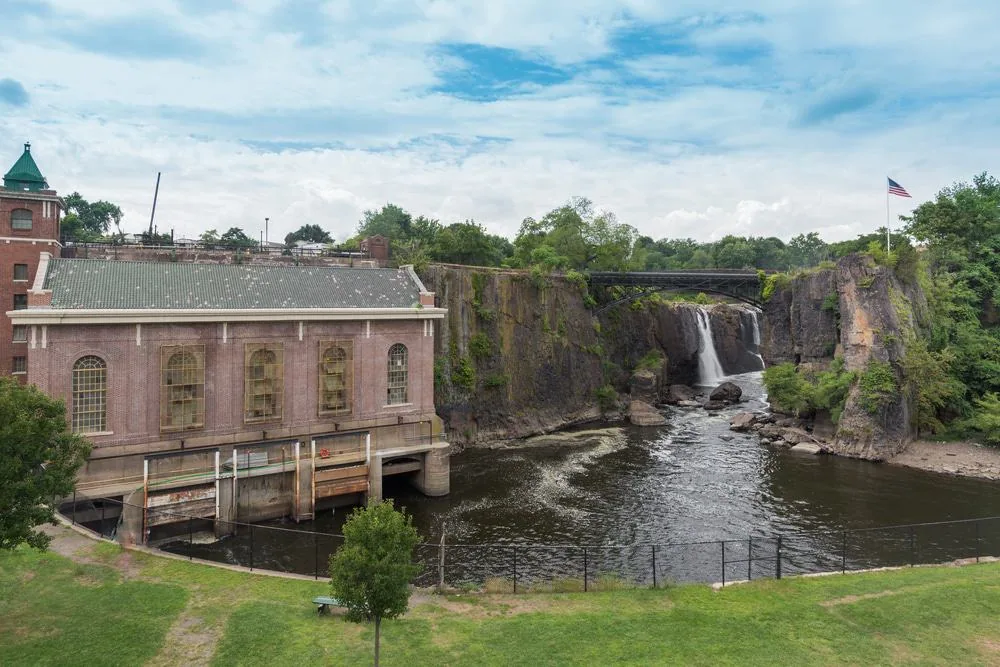
A loading plan that crosses a passenger route or an occupied entrance can change the safe work window for a roof repair. We inspect the affected roof detail first, then verify where workers, materials and ground protection can move. Garfield, NJ, is served by US Route 46 and County Route 507, with Midland Avenue, Outwater Lane and River Drive among its other main routes. The city also has Garfield and Plauderville passenger stations on the Bergen County Line. These corridors help orient service planning, but the property manager confirms the actual delivery route and access rules for each building.
We trace the leak or deterioration to the seam, flashing, penetration, drain or edge that can explain it. A surface patch is not enough if the receiving material has separated or become wet. We photograph the visible condition, define the repair boundary and state what a controlled opening might reveal. If new information could expand the area, the proposal places a hold point before removal beyond the known condition. That gives ownership a choice to approve added work against what is exposed rather than against an unverified allowance.
Garfield's school system includes elementary, middle, high-school and preschool facilities, so scheduled occupancy may matter when work sits above a learning space. We confirm the building, operating restrictions and inspection authorization directly. A roof condition inspection records the assembly and access limits. For an active leak, our response operates at any hour, every day, holidays included, to protect the affected zone and document the permanent work still required. The proposal keeps that immediate action distinct from repair or replacement.
Road and rail corridors: Confirm a clear delivery path
US Route 46, County Route 507, Midland Avenue, Outwater Lane and River Drive connect local properties, while the Bergen County Line serves Garfield and Plauderville stations. A vehicle can reach the general area without having permission to stage at a particular property. We verify the final turn, gate, loading entrance, lift position and the time materials may arrive. If a pedestrian route, driveway or rail-adjacent area needs protection, the property representative confirms the applicable controls before work begins.
Roof access may be a hatch, ladder, stair or lift, each with separate capacity and safety requirements. We identify the selected route in the scope and note whether an operator or other trade must be present. If a delivery is limited to a short window, the crew stages only material that can be secured safely and installed in the work period. Phased roof work above active space can sequence preparation and close-out against site hours. A date is set after ownership confirms any building, traffic or access approval that remains outstanding.
School facilities: Match work to the operating calendar
Garfield's school system has elementary schools, a middle school, a high school and preschool facilities. A roof repair near a classroom or shared entry can need a schedule that protects occupants and allows access for the people who operate the building. The authorized contact identifies the structure, roof area and work period. We ask whether ceilings can be opened for inspection, whether noisy work has a restricted time and which exterior routes must remain unobstructed.
Those questions do not mean each school has the same roof or a confirmed leak. We inspect the particular assembly and document membrane type, seam, drain, curb and edge condition. If equipment needs shutdown, the property names the technician and approval window. Flashing at pipes and curbs must close around a stable receiving surface, while a replacement sequence needs a protected work zone and daily closure. The estimate states which tasks the roofing crew can complete and what requires approval or support from school operations.
Water route: Find the detail that can be repaired
A stain inside a school or commercial unit is evidence of water, but not a map of the roof opening. Water can move along the deck or insulation before it appears. We compare the reported area with nearby seams, flashing transitions, vents, equipment and low points. If more than one path is plausible, the report distinguishes what the inspection supports from what would require infrared screening or a controlled opening. The repair limit is based on the detail that can be confirmed.
Drains and scuppers are checked for clear flow, secure connections and membrane condition around the outlet. A blocked strainer may be a local service issue; a low section that holds water can point to wider slope or insulation work. Drain and scupper repair addresses a failed outlet connection. Ponding-water assessment identifies why water stays after the drain is clear. Each recommendation includes the next physical finding that could change it, keeping the owner from approving a larger drainage correction without a measured basis.
Repair or renewal: Keep the approved scope complete
A seam or flashing repair can be appropriate when the surrounding roof is dry and able to receive compatible material. We include surface preparation, repair material and the tie-in rather than pricing a patch by area alone. If the roof has recurring failures, widespread membrane deterioration or wet layers, the owner may compare renewal. A contained repair addresses the known opening; replacement planning adds tear-off, substrate, insulation, attachment and perimeter details where indicated. Cost and schedule depend on those complete work items. Garfield owners see whether retained layers and current attachment can carry another roof system before price comparison. Extra material may raise drains, curbs and edge terminations. A coating needs its own surface compatibility and adhesion review. A recover comparison shows those limits before the owner commits. Neighboring Fair Lawn properties and Passaic commercial blocks receive separate roof inspections even if one owner manages multiple sites. The specific Garfield building controls the recommendation.
Record the work: Keep the release point visible
The estimate identifies included materials, protection, access and the condition that would pause the crew. If an opening exposes damaged insulation or deck, the crew records photographs and quantity, then waits for the owner to approve any change. A temporary cover may limit immediate entry but remains distinct from permanent repair. We document where it is installed and what must be done before the roof is considered complete. We record the path from retained roof to replacement material so the repair can be maintained later. A written note identifies the roof zone, any inaccessible portion and follow-up still required. A condition report with images can help keep the finding attached to the building's capital record. Where school or business operations affected the schedule, the record includes the closure and access assumptions used. The owner then has a clear basis to compare this repair with the next inspection or renewal decision without relying on a verbal description of what was visible during construction.
Commercial Roofing Questions
Can a material delivery be scheduled around train service?
We confirm the property's loading point and any route that may be affected. The site representative identifies required controls, and the work plan lists them before material is dispatched.
Can you do roof work during a school term?
The authorized school contact sets inspection areas, hours and occupant protections. We define a roof zone and close-out sequence against the schedule the property provides.
Does a ceiling stain show which roof seam failed?
Not by itself. We trace possible paths above the affected area and document the connection supported by the inspection. A test may be needed when the surface evidence is incomplete.
Is a recover an option for every commercial roof?
The retained system has to be dry, secure and compatible with new layers. We also check drain, curb and perimeter heights before considering an overlay.
Will you price work if an opening changes the repair area?
Yes. The initial scope defines a pause point; exposed conditions are photographed and the added material or labor is submitted for owner approval.
Confirm access and approval before the crew arrives
Share the Garfield building, roof concern, delivery limits and operating schedule. We will inspect the affected detail, define the repair boundary and state any test that could change it.