Commercial Roofing in Ridgewood, NJ
Ridgewood commercial roof inspections, leak repairs and renewals scoped around downtown access, occupied space, drainage details and owner approvals.
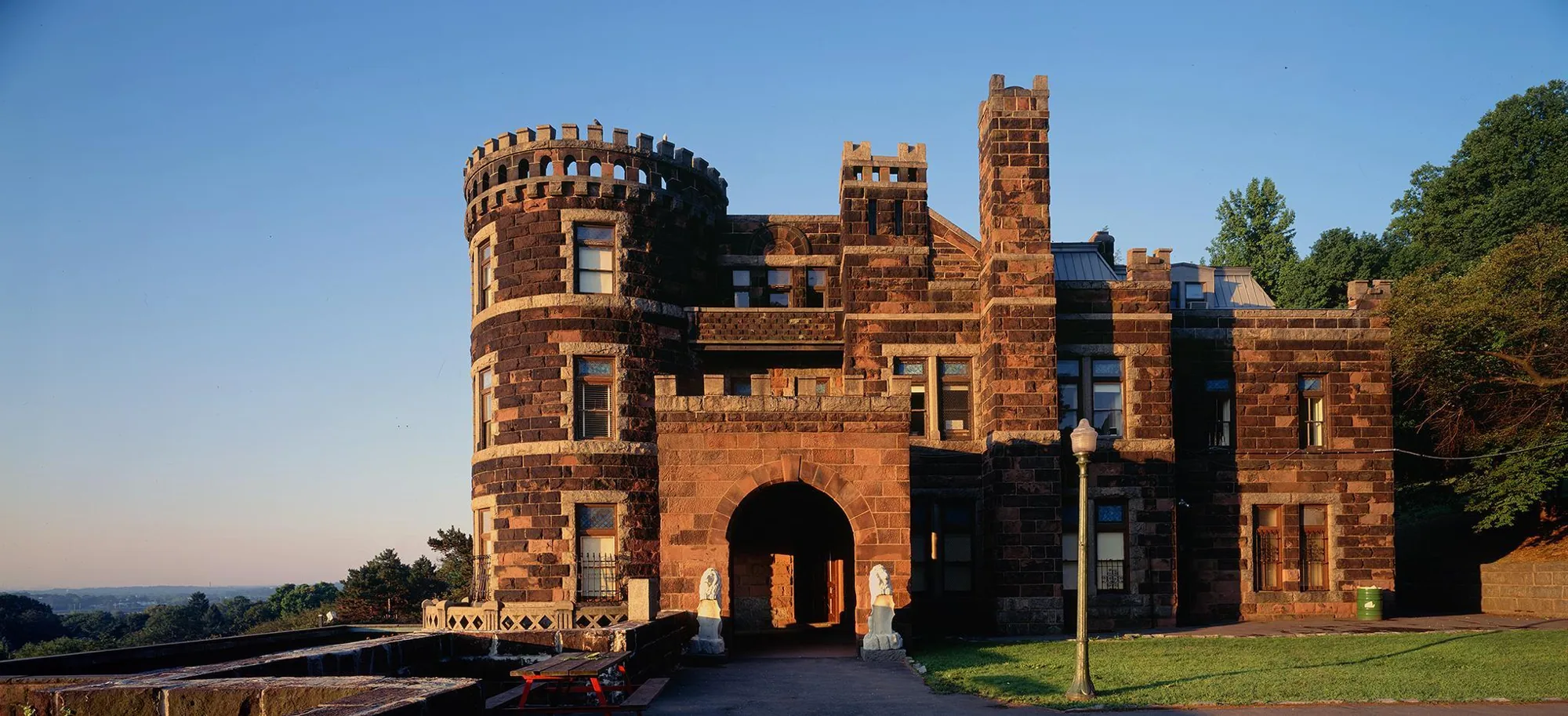
Ridgewood
A failed curb flashing above a storefront can require a same-day decision without settling whether the surrounding roof should be renewed. We inspect the curb, membrane and receiving surface, then price the confirmed repair and any opening that could expose a hidden condition. Ridgewood's downtown commercial district follows East Ridgewood Avenue, while Route 17, Franklin Turnpike and Maple Avenue are major local roads. Those facts help frame an access conversation; the specific building's approved delivery route and roof condition still need confirmation before work is priced. The inspection record distinguishes visible damage from a condition that remains covered, names the area reviewed and notes where access prevented confirmation. That difference matters when ownership decides whether to authorize a measured repair now or schedule an opening with a separate allowance. No added removal is treated as approved until the decision-maker accepts the revised boundary and price.
We check field seams, edge metal, drains, wall transitions, curbs and the roof area connected to the report. A ceiling mark can be distant from the entry point, so the inspection follows the likely path rather than assuming the stain is directly below a defect. Photos describe the detail that supports the proposed scope. If insulation or the deck remains concealed, the proposal identifies any test opening, close-out method and the release point where added work requires owner approval.
Commercial work near an active downtown corridor may need coordination around tenants, pedestrian paths, deliveries or mechanical access. The property manager confirms the operating window and any protection below the roof zone. A documented inspection establishes whether a local repair or wider renewal is justified. A leak call can reach us on a weekend or holiday. We first limit water entry, then document the detail that needs permanent work.
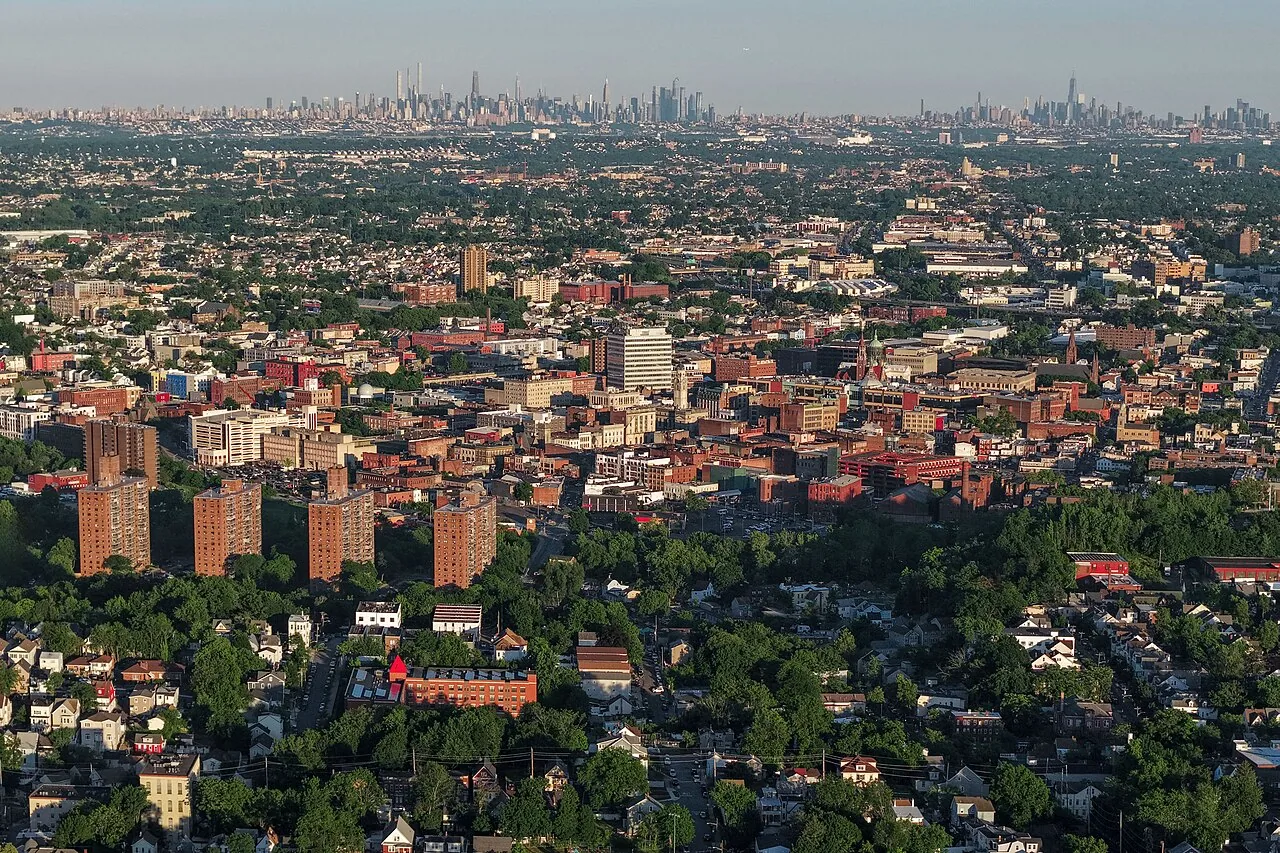
Downtown access: Define the work boundary
East Ridgewood Avenue's commercial district includes more than one building type, frontage or access pattern. We confirm the specific roof entrance, approved staging area, public path and any receiving or lift restriction with the property contact. A narrow staging footprint can change material delivery, so the plan states what can be stored, when the crew can use it and how the path will be cleared at close-out. No access permission is assumed from a map or neighboring property. The work plan also states where tools and removed material will be secured, how the public-facing area is separated, and which contact can release a changed route. If the approved path changes during the job, the supervisor confirms the alternate before moving equipment or staging supplies. That confirmation keeps the access boundary visible to both ownership and the crew.
For an occupied commercial building, notice and daily close-out matter as much as the roof detail. Phased work over occupied space separates zones and records the return-to-service point. Penetration and curb flashing addresses a defined transition when the receiving material can be prepared. We list protection and access tasks that apply to this building, avoiding an open-ended allowance that obscures the actual repair.
Route planning: Confirm streets, hours and delivery
Route 17, Franklin Turnpike and Maple Avenue are important Ridgewood routes. Their presence does not establish the access window at an individual property. Before material is scheduled, the owner or manager confirms the approved approach, receiving hours, lift location, staging limits and any local restrictions relevant to the job. That check turns a general travel plan into a site-specific sequence.
Ridgewood station serves the Main Line and Bergen County Line, an additional reason to ask whether commuter timing affects a building's loading or access plan. We do not infer a closure or work restriction from the rail service. The property contact sets the permitted work period and identifies any entrance that must remain clear. Emergency stabilization addresses active exposure, while permanent work still needs an approved route and a defined roof boundary. The written sequence identifies the disruption period rather than promising an unverified arrival time.
Drainage and transitions: Trace the water path
A leak may start at a seam, perimeter, curb or drain and travel before appearing inside. We review strainers, sumps, scuppers, membrane connections and terminations along the relevant path. A blocked outlet, damaged flashing and broad slope concern call for different work. The report describes visible evidence and what would require a test opening; it does not turn standing water into a diagnosis by itself.
Drain and scupper repairs restore a confirmed damaged connection. If water remains after an outlet is clear, a ponding assessment separates an obstruction from a broader drainage or insulation issue. The owner sees the physical finding, its consequence and the next check before authorizing a larger boundary. This is especially useful where roof work must avoid an unnecessary shutdown or repeated access interruption.
Repair or renewal: Compare the assembly evidence
A repair should reach stable material and close at a compatible edge. Ridgewood repair work is bounded by the serviceable material at the opening and a compatible detail at that edge. Repeated failure across separate areas, wet insulation or a deteriorated assembly can make a broader comparison useful. A replacement scope states removal, hoisting, disposal, perimeter work and daily protection. The cost ties to assembly and access needs instead of a roof-area estimate alone.
A recover may reduce removal only if the retained layers are suitable and added height works at curbs, edges and drains. The recover assessment checks attachment, moisture and clearances before the owner considers it. If the existing roof can receive a compatible single-ply system, EPDM roofing can be compared against alternatives using substrate, attachment and transition requirements. Each option states the unresolved condition that could change its price or viability.
Approval record: Preserve the release point
Before removal, the estimate names included material, work area, protection below and any agreed test opening. Newly exposed damage is photographed and priced at the boundary; the original authorization does not include unreviewed expansion. Temporary protection is recorded as an exposure-control step; it is not counted as the permanent roof correction. This gives ownership a clear decision before the authorized amount or boundary changes. The work record names the existing membrane left in place and photographs the new termination after the repair is closed. A roof-condition record preserves evidence for future maintenance and funding discussions. Nearby Mahwah commercial properties have separate access routes and assemblies; those conditions cannot replace a Ridgewood inspection. For work across more than one town, Wyckoff's commercial areas can be scheduled on a separate visit while each owner retains its own scope and approval record. The result is a local repair decision grounded in this roof's findings.
Commercial Roofing Questions
Can roof work happen while a downtown business remains open?
The property contact confirms pedestrian paths, receiving hours and protection before we set a work zone. We phase the roof area and document how the entrance and service route will be left at the end of each shift.
Does an interior leak show where water entered?
An indoor mark can be offset from the roof defect. We compare the reported area with nearby flashing, penetrations and drainage, then follow the path to the detail that can be repaired reliably.
What if a test opening finds wet insulation?
We pause at the agreed release point, photograph the condition and price the added removal or replacement for owner approval before extending the repair boundary.
When should an owner compare a recover with replacement?
After checking whether existing layers can remain, moisture is controlled and added height works at curbs, drains and edges. Those findings define whether a recover is a viable option.
How are delivery and access windows confirmed?
The manager identifies the approved route, receiving hours, staging boundary and lift or shutdown needs. We record those limits before a material date is set.
Set the Ridgewood inspection and approval boundary
Share the building, roof concern, access limits and decision date. We will inspect the affected detail, define the included work and identify any opening that could change the price.