Commercial Roofing in Lodi, NJ
Lodi commercial roof service with inspection, repair and renewal plans coordinated around building access, school schedules, drainage and approval.
Lodi
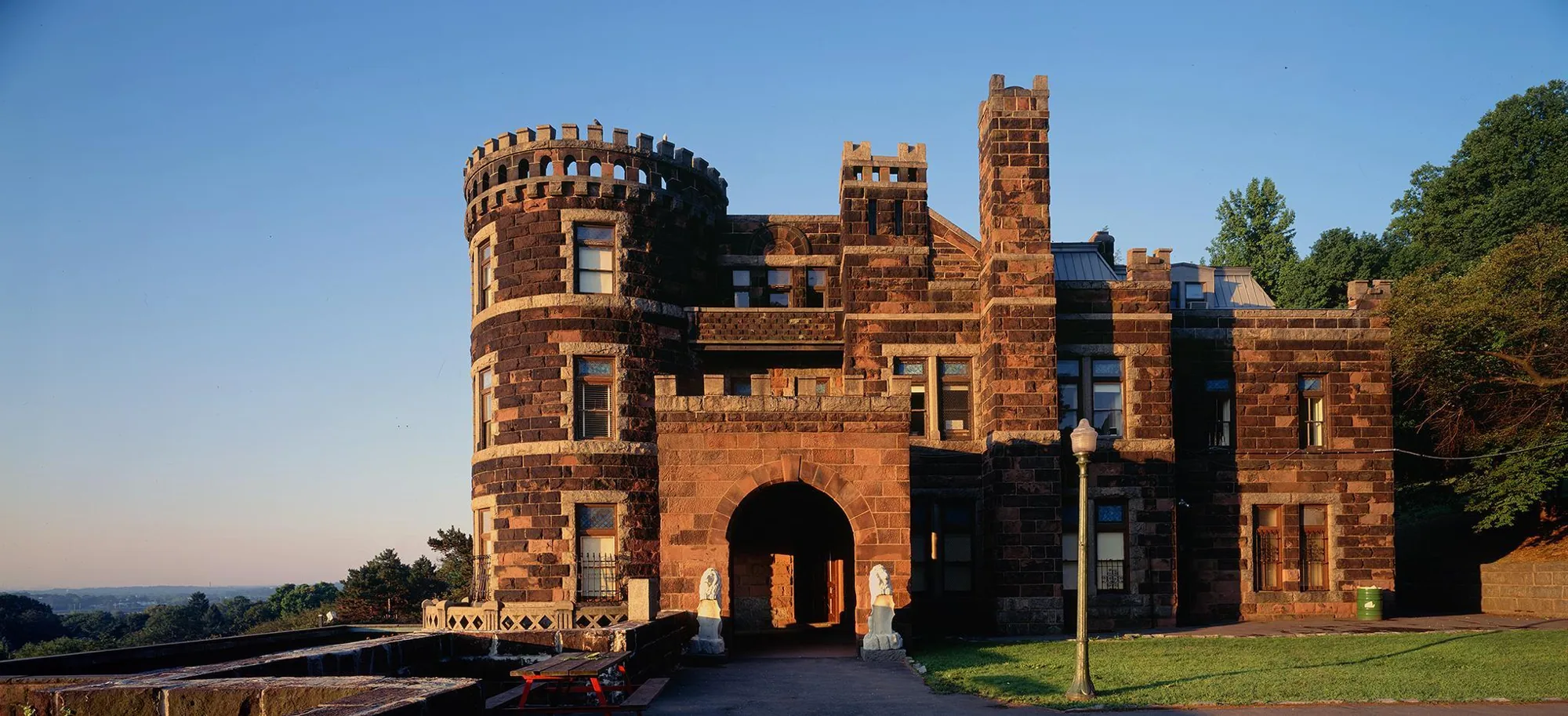
A wet ceiling near an occupied room can demand immediate protection while leaving the roof repair boundary unsettled. We secure the reported area, inspect the roof connection that could admit water and define which material can be priced without opening more of the assembly. Route 17, US Route 46 and Interstate 80 pass through Lodi, NJ. The town also has public school facilities from elementary through high school, and Felician University maintains a campus in Lodi. That mix makes work hours and access important, but no facility or school calendar is assumed without confirmation from the property representative.
We examine the membrane, seams, curb flashings, perimeter details and drainage points related to the report. A water stain can travel before it appears indoors; the first visible mark may not sit below the roof opening. We photograph the likely route and explain whether the confirmed repair is local or needs a controlled opening. If the opening could reveal wet insulation or a deck issue, the estimate states the stop point and price path for added removal before the owner approves it.
Each Lodi building has its own roof materials and operating constraints. We confirm the inspection area, roof access and schedule with the authorized contact. An inspection record with photos supports a repair or renewal decision. For active entry, our emergency response is available around the clock, every day and on holidays; we distinguish immediate protection from permanent work. A defined repair names the material, preparation and tie-in, giving ownership a clear amount to approve before any hidden condition changes the scope.
Route 17 and US 46: Confirm how material reaches the roof
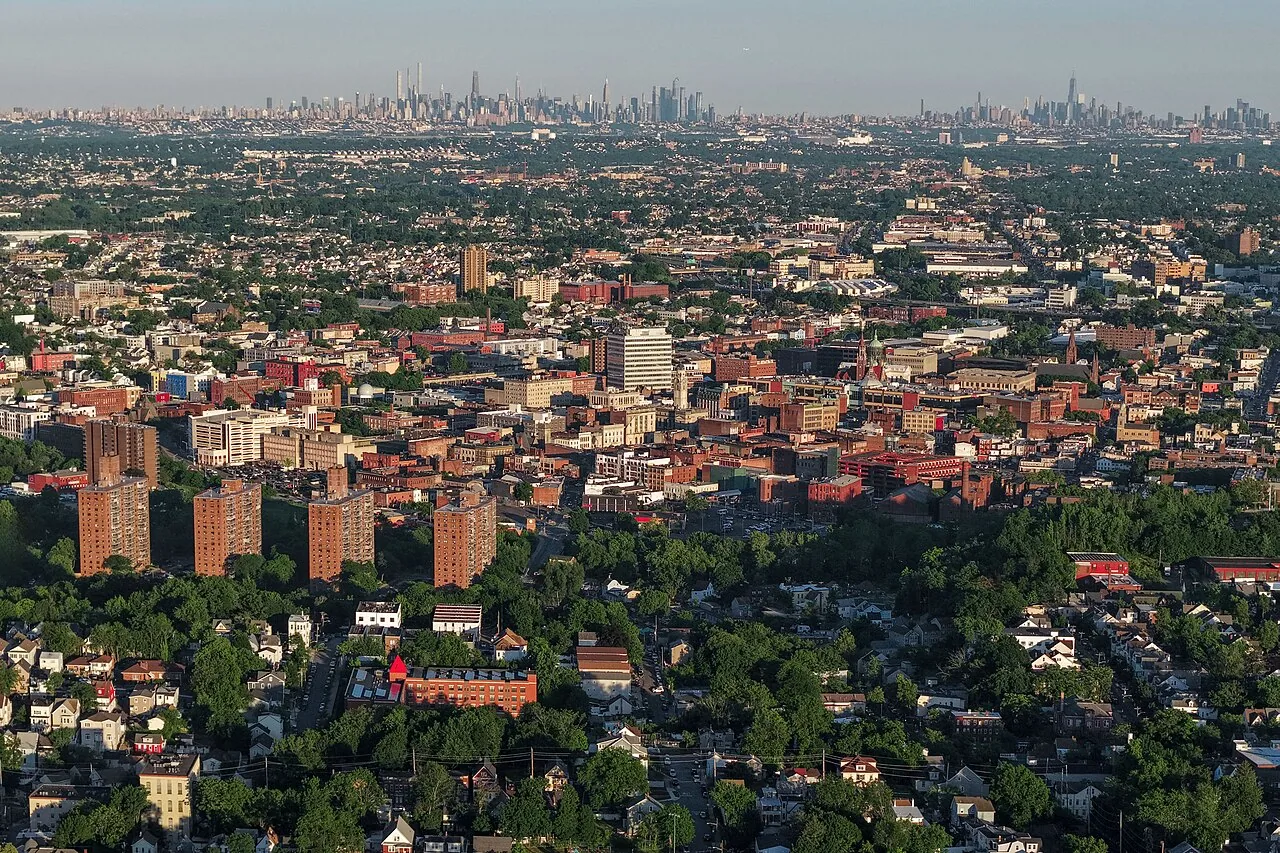
Route 17, US Route 46 and Interstate 80 give broad access through Lodi. The route from a highway to a building's loading area still needs to be checked. We ask the site contact about gate hours, delivery restrictions, truck clearance, lift placement and where material may be secured. If a delivery or lift crosses a public route, ownership confirms required controls and permissions before a date is selected. The written proposal lists access assumptions that affect labor and schedule.
Roof entry may be separate from material staging. A hatch can be available to workers while large rolls or insulation require a lift; the path and responsible operator are identified. The crew also protects any sidewalk, service door or interior corridor used to reach the roof. Phasing above occupied areas can set work windows around the operating schedule, and replacement sequencing includes tear-off, hoisting and daily close-out rather than only the new field membrane.
Schools and campus use: Confirm the authorized work zone
Lodi has elementary schools and a middle and high school, along with Felician University’s campus. Felician University also has a campus in town. These facts describe educational uses, not a particular roof condition or construction calendar. The owner or facility representative identifies the building, inspection authority, access route, occupant protections and times when work is allowed. If a ceiling must be inspected from indoors, we schedule that separately and do not treat broad site access as permission to enter a specific room.
For work above active learning or office space, the project plan can divide the roof into small areas and close each before moving. Equipment service may need a separate technician if a curb, exhaust or cable requires disconnection. We identify that dependency before material is removed. Flashing around penetrations needs an uninterrupted connection to the membrane. A report notes the work zone, accessible and inaccessible areas, and any coordination needed from school operations. That record helps a manager review the scope without implying that every building under a campus or district has the same assembly.
Drainage: Connect the symptom with the outlet
A roof can show water at an interior room without exposing the source. We follow the likely path through nearby seams, flashing and drains, checking whether the outlet is clear and whether the membrane connection has separated. If the roof holds water in a low area, we document its location and compare slope, drain elevation and insulation condition. A blocked strainer is a different repair from a sagging substrate or failed drain flange, so the proposal identifies the condition it addresses.
When signs of moisture extend beyond the reported leak, an infrared survey may help mark an area for confirmation. The result is a screening tool, not proof that each marked location contains wet insulation. We verify selected areas at the roof and define any opening before removal is priced. Drain and scupper work addresses the outlet detail, while a ponding review investigates why water remains. The owner receives the test, repair limit and remaining uncertainty in the record before authorizing the next step.
Repair or renewal: Compare included work and timing
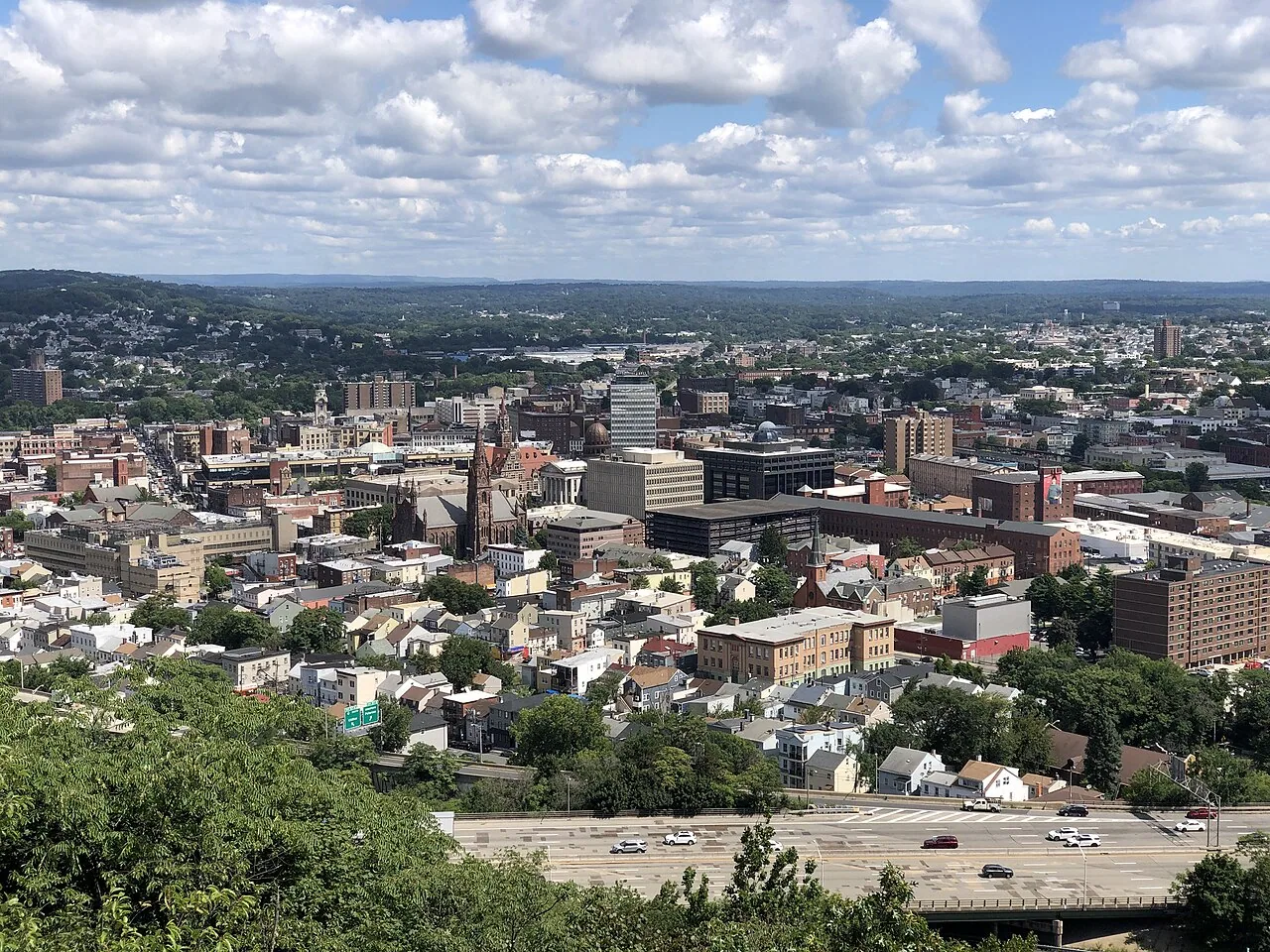
A repair can be the practical choice when the failure is limited and adjacent material is suitable. We clean and prepare the surface, correct the opening and tie the detail into the existing roof. If seams fail across several sections or insulation is wet, ownership may need to compare broader work. The estimate separates the known repair from any opening that could add material removal. If the roof cannot receive a reliable patch or coating, the report states why and identifies the renewal path instead of extending a repair allowance without a physical basis.
An overlay requires dry, secure retained layers and enough room at curbs, drains and edges for the new height. A coating has compatibility and adhesion requirements of its own. A recover review checks whether existing material can stay. TPO roofing may be compared if the assembly and details support that system. For surrounding commercial patterns, Garfield's school and business properties and Fair Lawn's mixed-use districts receive separate work plans. The Lodi proposal names insulation, attachment, edge treatment and access included in each alternative so ownership can compare complete scopes.
Release point: Document what the crew finds
Before work begins, the crew and owner agree which discovery will pause removal. A concealed wet layer, separated substrate or unexpected assembly can change the repair area and work duration. We photograph the opening, protect it and submit the additional scope for approval before the crew proceeds. A temporary cover is named as protection rather than represented as the permanent correction. The record shows where it remains and what must be completed later.
At close-out, photos show the seam, drain, flashing or edge included in the authorization. A separate note records any follow-up item or roof area that could not be inspected. Written roof condition reporting can support a later budget choice. If ownership manages buildings in Passaic or Garfield, visits may be coordinated on a calendar while preserving each property's assembly, access and approval record. That lets a manager compare real roof findings rather than transfer a condition from one municipality to another.
Commercial Roofing Questions
Can you work above a school during the academic year?
We confirm the authorized building, permitted hours and occupant protection with its representative. The plan identifies the roof area and daily close-out point before a date is set.
Does a leak require opening the entire roof?
No. We locate and price the confirmed repair first, then identify a limited test opening if hidden layers could alter the boundary. Any added removal requires approval.
Will an infrared survey identify every wet area?
It can help screen for a moisture pattern under suitable conditions. Readings need roof-level confirmation before the material is classified or removal is priced.
Can a roof recover avoid tenant disruption?
It may reduce tear-off only when the existing system is sound and compatible. We also review height at drains, edges and equipment before including an overlay.
What access details should be confirmed before mobilization?
The owner should confirm the delivery entrance, staging area, lift permissions, roof entry, work hours and protected pedestrian routes. We list those assumptions in the scope.
Approve a measured work boundary
Share the Lodi building, roof symptom, access requirements and decision date. We will document the likely water path and price the confirmed work before concealed conditions can expand it.