Commercial Roofing in Fair Lawn, NJ
Fair Lawn commercial roofing scopes for mixed-use and industrial properties, with clear access, drainage, repair and renewal decisions.

Fair Lawn
An industrial roof with a punctured membrane above stored equipment needs a repair boundary that protects the contents without pricing an entire replacement by assumption. We inspect the opening, the surrounding field and the route water could take below, then state what is included and what finding would change it. Fair Lawn, NJ, includes the McBride Industrial District near its Glen Rock boundary. River Road and Fair Lawn Avenue also form a recognized improvement district with commercial, industrial and commercial-residential properties. The different uses make access and occupant coordination part of an accurate roof scope.
We check the existing material, seams, edge terminations, drains and penetrations around the concern. A visible puncture may be localized, but wet insulation or a failed tie-in can extend beyond the mark. Where the receiving layer is uncertain, we identify a controlled opening and pause point for owner approval. A written estimate separates the confirmed repair from the possible added removal. It also names the access route and protection needed below, so a property manager can coordinate work without leaving the building's contents or operating area outside the plan.
Fair Lawn's industrial and mixed commercial properties require building-specific inspection. We do not infer a roof system from the district name or its former industrial use. A condition inspection records what is visible and where further testing may help. If water is entering during an active event, a response crew is available at all hours, every day and on holidays, with the immediate protective action listed separately from the permanent repair. The owner receives a price and release point for each decision.
McBride district: Check what remains beneath the surface
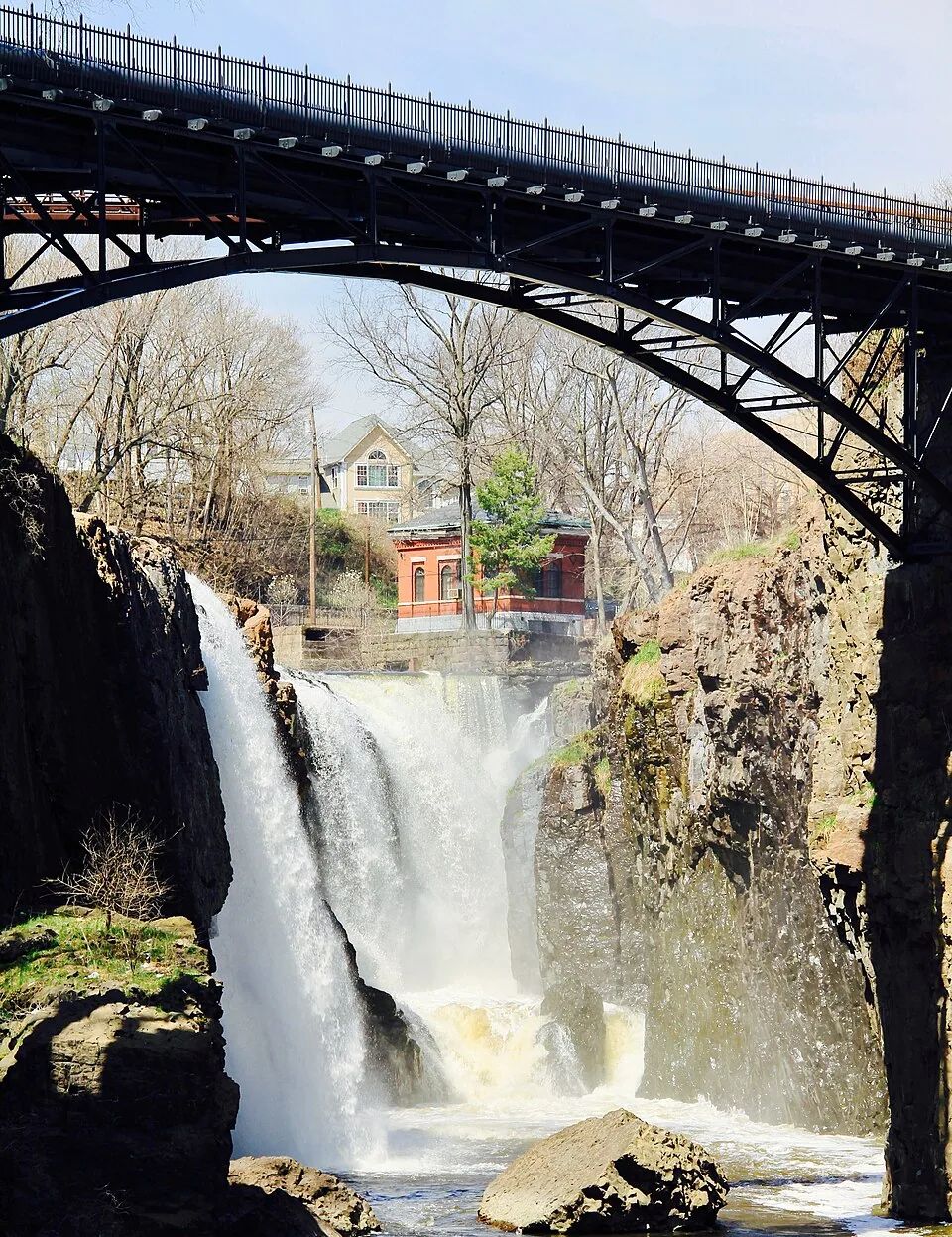
The McBride Industrial District has a history that includes the former Nabisco cookie factory and other corporate properties. That history does not establish any building's current tenant, roof assembly or condition. Before repair, we confirm the visible membrane, attachment, insulation interfaces and any equipment curbs at the specific property. A former production building may have been altered, but only an inspection can show what is on the roof now. We note evidence of a repair or overlay where visible and identify where an opening is needed to determine the retained layers.
Industrial service routes also influence construction. A loading door, exterior yard or equipment path may need to remain available during the work. We identify which area is roof access and which is ground staging, then size the opened section to what can be prepared and closed in the expected window. A recover review tests whether the retained layers are dry and secure enough to receive a new assembly. If they are not, tear-off and renewal can include removal, insulation, attachment, edge metal and disposal. The comparison is based on exposed conditions, not the former use of a building.
River Road and Fair Lawn Avenue: Coordinate shared edges
River Road and Fair Lawn Avenue define a commercial improvement district that includes commercial, industrial and commercial-residential properties. A mixed-use property can have several tenants, separate doors and different hours within one roof area. The owner or manager confirms the contact for each affected space, then we identify which entry, vehicle path or exterior equipment must remain clear. Ground protection and delivery timing are included where required. If a lift or lane restriction needs a separate authorization, it is listed before work is scheduled.
Shared roof edges may serve several tenant areas, but work remains limited to the condition found. We photograph seams, curbs, parapet transitions and drains before identifying a repair route. If the roof connects to an adjoining structure, the transition must be inspected and scoped without assuming the neighbor's agreement or system. Edge metal and coping repairs cover the termination where material meets the roof boundary. Penetration flashing addresses a curb, pipe or opening only after its receiving surfaces are identified. That level of detail helps a manager route the approval to the correct owner or tenant contact.
Water path: Separate the surface mark from the entry point
A leak may show indoors at a distance from the roof opening because water can move along a deck, beam or insulation. We compare the reported area with roof-side seams, flashing, drains and penetrations, then record the likely route. If the evidence does not isolate one connection, we name the next test instead of extending the repair based only on a ceiling mark. Infrared tools or a controlled opening can help map moisture when the roof and weather conditions allow, with an exposed area checked before removal is priced.
Drainage is reviewed as a route: water must reach an outlet and move through a sound connection. We inspect the strainer, drain bowl, scupper and surrounding membrane, then check for a low area that may keep water in place. Drain and scupper service addresses an outlet connection when it has failed. A ponding assessment separates debris or blockage from slope, insulation or system conditions. The owner receives each finding with its scope boundary. A drainage correction should not be confused with replacement of the whole field unless the assembly supports that broader decision.
Access and occupancy: Protect the use below
On a commercial-residential property, a roof work area can sit above offices, shops or occupied rooms. We confirm operating hours, roof access, noise-sensitive periods and whether a ceiling or room needs inspection. A manager can then communicate the planned work area and duration to the right occupants. The crew protects the identified space and closes each roof zone before leaving. If equipment or power needs another trade, that dependency and authorization are recorded so roofing does not proceed with a service component left unresolved.
The roof itself may require staged removal. We choose a section that can be prepared and covered within the work period, then make the next release decision from what the crew exposes. Occupied-building sequencing reduces unnecessary overlap with business activity while keeping the repair tied to a closed work zone. A repair can be completed before broader renewal if the adjoining assembly remains suitable. If several properties in Fair Lawn need review, the schedule can be coordinated, but findings, materials and approvals stay attached to each individual building.
Approval record: Keep conditions and price together
Before construction, ownership should know the material included, area to be opened, protection to be installed and condition that could change the estimate. We provide that boundary and identify the release point. If wet insulation, a damaged deck or a failed transition is exposed, the crew documents it and stops for review before expanding removal. The additional material and labor are presented for approval. This leaves a clear record of why the work changed and which part of the building remains outside the authorization.
At close-out, photographs show the completed seam, perimeter or drain detail. The report distinguishes permanent work from temporary protection and lists any follow-up test or separate trade dependency. Written roof condition reporting supports future repair and capital timing. For context across nearby property uses, Passaic's business districts and Totowa's highway-served properties have their own access questions. We evaluate a Fair Lawn roof from its actual condition and give the owner a specific choice between repair, recover, coating or replacement when more than one option is viable.
Commercial Roofing Questions
Does the former factory use tell you what roof is on the building?
No. We identify current materials and visible repairs at the property. If retained layers are hidden, an opening or test is needed before we state what can stay.
Can work be scheduled around mixed-use tenants?
We confirm access, occupied areas and hours with the property manager, then set the roof sequence and protection against the actual building schedule.
Will a puncture repair include all wet insulation nearby?
The price states the confirmed boundary. If moisture beyond that area is possible, the proposal defines a test opening and the approval point for any added removal.
When does a recover make sense?
The existing roof must be suitable to receive new material, with drainage and height details able to accommodate added layers. We inspect those conditions before pricing an overlay.
Can an owner compare several properties in the same work program?
Dates and inspections can be coordinated, while each roof keeps its own assembly, condition, access record and approval boundary.
Set the Fair Lawn scope
Provide the property use, roof concern, access restrictions and decision date. We will inspect the affected area and identify the confirmed repair, any test opening and the approval boundary.