Commercial Roofing in Hackensack, NJ
Hackensack commercial roof inspections, repairs and renewals for office, apartment and industrial properties with access and scope boundaries documented.
Hackensack
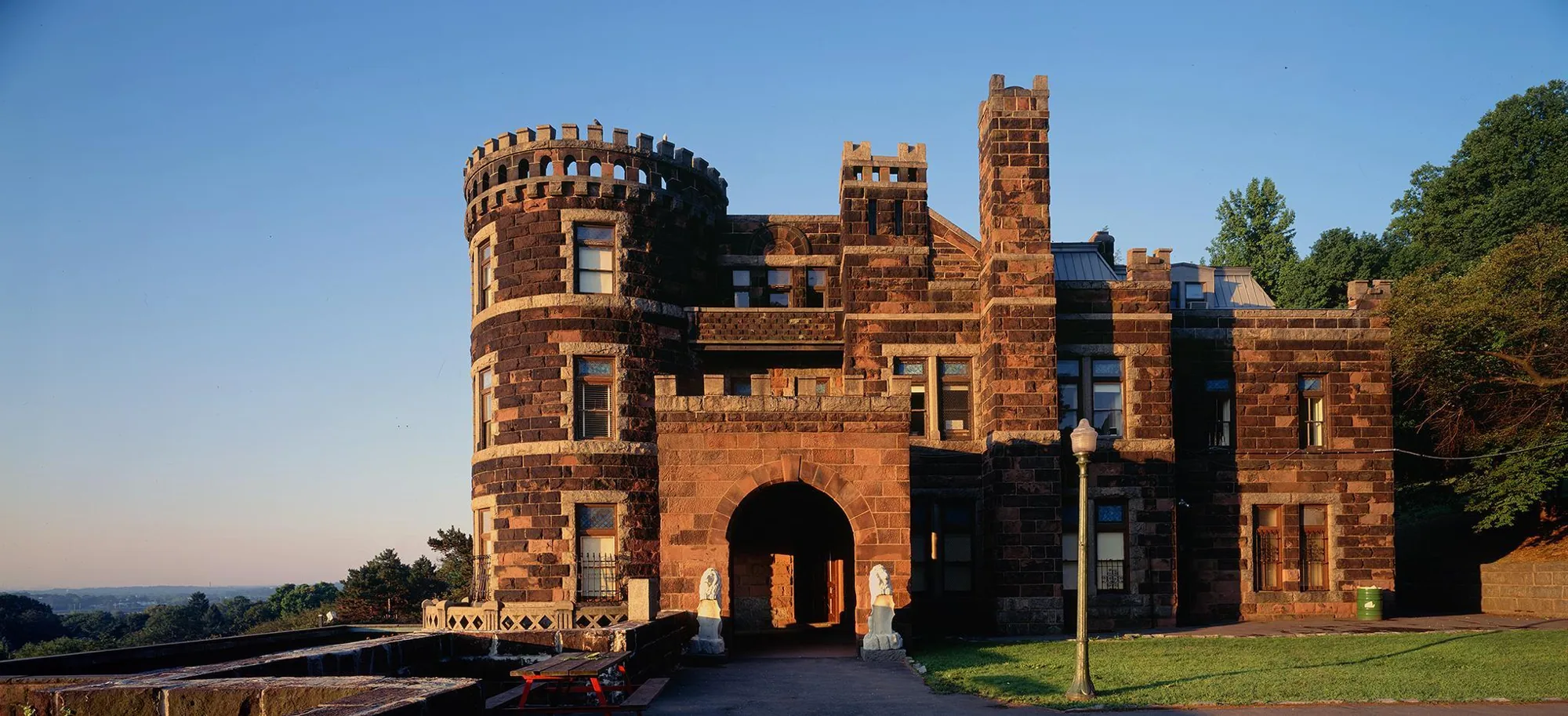
A membrane split above a mechanical room can create an urgent repair without deciding the future of the rest of the roof. We inspect the seam, the adjacent surface and the drainage path, then price the confirmed detail and any opening that may change its boundary. Hackensack, NJ, includes industrial areas, large office buildings, apartments and a downtown business district. Those uses bring different roof access, tenant and equipment needs. The property contact identifies the building and operating limits so the scope is tied to the right roof and approval.
Our inspection checks seams, edge metal, wall flashings, curbs, drains and exposed roof areas near the reported leak. We compare conditions instead of treating a ceiling mark as the roof's exact entry point. Photos show the detail that supports the proposed repair. The report states which concealed component remains unknown and where a limited opening could answer that question. The proposal states known work separately from any condition still concealed.
Office and apartment properties may stay occupied during roof repairs, while industrial areas can require coordination with loading and service operations. We confirm which routes stay open, when a room or piece of equipment needs access and what protection belongs below the roof zone. A roof inspection record helps establish whether repair or renewal is the stronger decision. A manager can request help at any hour, holidays included; we stabilize the opening and keep final repair approval distinct.
Offices and apartments: Plan above occupied space
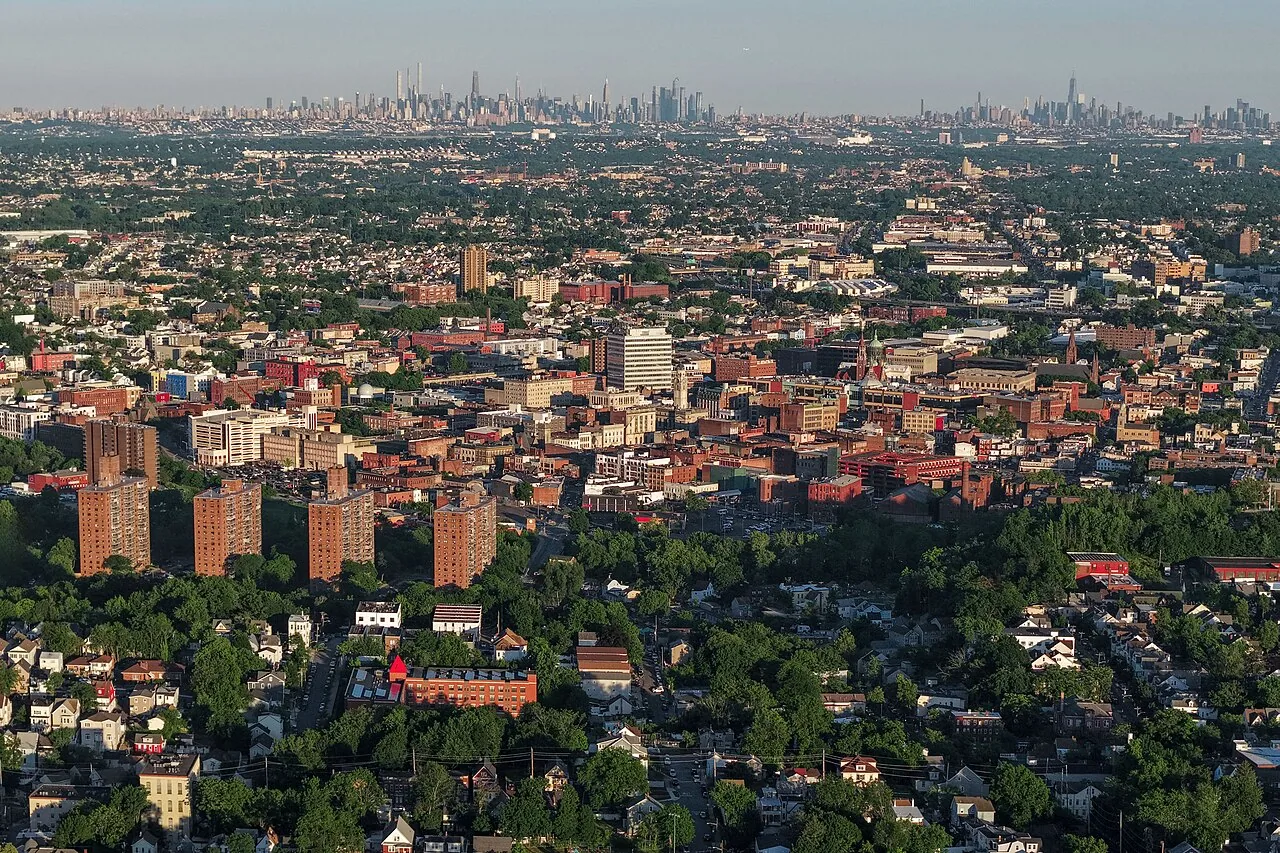
Large office buildings and apartments are part of Hackensack's property mix. A roof repair above a tenant area can require notice, a controlled route, and a short period when ceiling or mechanical access is available. We ask the manager which area is affected and who may authorize an interior review. If the roof can be inspected without entering occupied space, that limit is recorded. The work window is then set around entrances, tenant access and any operating equipment exposed to the construction zone.
Roofs over high-rise or multi-tenant structures may have multiple equipment curbs, vents and wall transitions, but the specific layout is established during inspection. A curb may need a flashing repair while an adjoining field remains serviceable. The connection must be prepared and tied into compatible material so the new detail does not leave a loose edge behind equipment. Penetration flashing work includes the receiving surface and closure, while occupied-building phasing separates roof areas so daily access and close-out can be planned.
Industrial operations: Coordinate loading and service paths
Hackensack also has industrial areas. A property in active use may have loading windows, vehicle paths or roof-mounted equipment that cannot be treated as general staging space. The owner or facility contact confirms the safe route for material and workers. We note any requirement for a lift, escort, equipment shutdown or delivery reservation before a start date is selected. If a receiving dock must remain available, the roof zone can be planned around the operation rather than blocking the approach without approval.
A replacement has more material movement than a local flashing repair, so its estimate should state removal, hoisting, disposal and daily protection. A replacement comparison includes the field assembly and necessary transitions. A recover may reduce removal only when the old layers can safely receive a new system and added height is workable. A recover needs serviceable existing layers plus enough clearance at drains, walls and equipment supports. The options use different access and closure sequences; we identify the amount and timing associated with each.
Downtown business district: Check perimeter and drainage
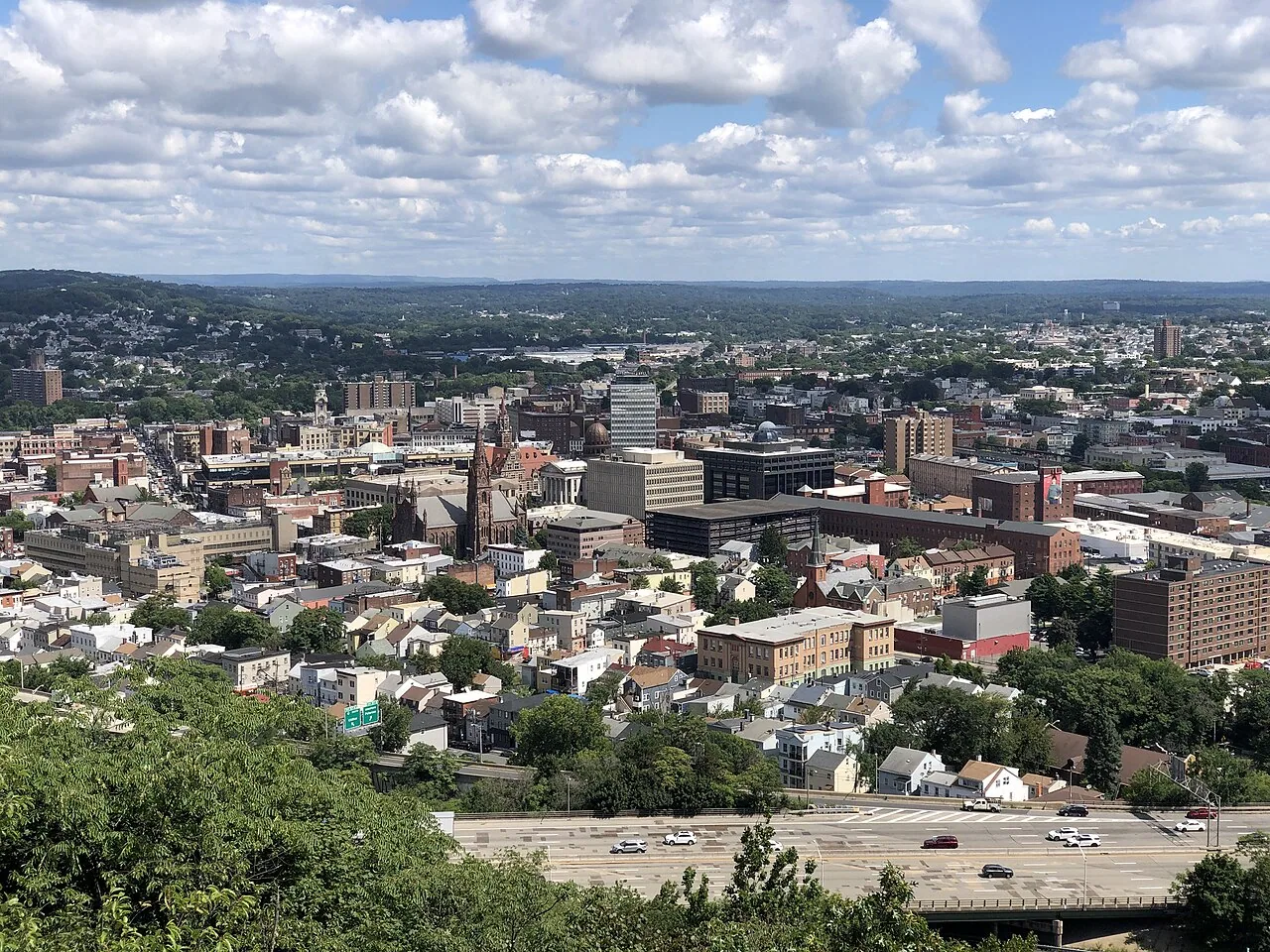
Hackensack has a downtown business district as well as office and apartment properties. A compact commercial building can have roof work close to adjacent walls, parapets or shared access paths. We inspect each termination, edge and drain rather than carrying an assumed detail from one property to the next. If the roof surface is sound but water enters where a wall or curb meets the field, the repair can focus on that connection. If several details have separated, the report identifies how their combined condition affects the repair decision.
Drainage is reviewed from high point to outlet. We check strainers, sumps, scuppers and membrane connections, then note any low area where water remains. Drain repairs restore a damaged connection when that is the cause; ponding-water analysis helps distinguish an obstruction from a broader slope or insulation issue. A water mark below a roof does not reveal how far moisture extends. Testing is defined before removal when a concealed layer could alter the scope.
Repair, coating or replacement: Tie each choice to evidence
A repair should reach a stable edge and compatible receiving material. We clean and prepare the detail, complete the seam or flashing work and record the tie-in. If deterioration is widespread, repeated repairs keep reopening or moisture lies under the field, an owner may compare more comprehensive work. The proposal explains why the immediate repair remains viable or what finding makes it insufficient. No price is based on a roof area alone when access, removal and perimeter work affect completion.
A coating needs a surface that can accept preparation and adhesion; it cannot correct wet insulation or a moving joint. A recover adds material and height, which may affect curbs, drains and roof edges. TPO renewal can be compared where the current assembly and details support that system. Nearby Fair Lawn's mixed commercial properties and Clifton's office and medical buildings have their own schedules and access conditions, but they do not establish what a Hackensack roof needs. The owner receives a separate comparison tied to this building's findings.
Change record: Preserve the approval limit
Before removal, the estimate identifies the material included, the roof area, protection below and any test opening. Discovery of hidden wet material triggers a pause, a condition record and a separate price before the crew continues. This protects the roof from being left open and the budget from an undocumented expansion. We record temporary water control independently so it does not read as completion of the underlying correction. The repair area follows the roof surface that can receive compatible new material; an indoor mark alone does not set that limit. The record also notes any inaccessible area or additional trade work. Photo-based condition reporting can make a later budget review more useful by preserving current findings. If the owner manages Passaic's business properties or Lodi buildings as well, visit dates can be coordinated while each roof retains its own inspection, approval and repair history. That is how portfolio timing can be efficient without treating unlike buildings as one assembly.
Commercial Roofing Questions
Can roof work happen while Hackensack offices remain open?
We confirm hours, access routes, equipment needs and protection with the property contact. The proposal defines the roof zone and daily close-out plan around those operating limits.
Does an apartment ceiling leak mean the roof above it is defective?
The interior mark starts the investigation, but water may travel before appearing. We inspect connected roof details and identify any opening needed to confirm the entry path.
What changes the price after a repair opening is made?
Wet insulation, damaged substrate or a different layer can add removal or preparation. The crew documents the finding and gets owner approval before the original boundary expands.
Can a recover avoid all disruption from tear-off?
Only if the retained roof is suitable and new material can fit at curbs, edges and drains. We inspect those conditions before presenting an overlay as an option.
How do you coordinate with loading operations?
A delivery plan begins with the receiving route, available window and any lift or shutdown dependency. The site representative confirms those constraints before materials are scheduled.
Set the Hackensack approval limit
Send the property use, roof concern, access contact and decision date. We will document the failure point, confirm the receiving material and price the work that ownership can authorize.