Commercial Roofing in Elmwood Park, NJ
Commercial roof repair and renewal in Elmwood Park, NJ, with material delivery, access, drainage and approval limits confirmed per building.
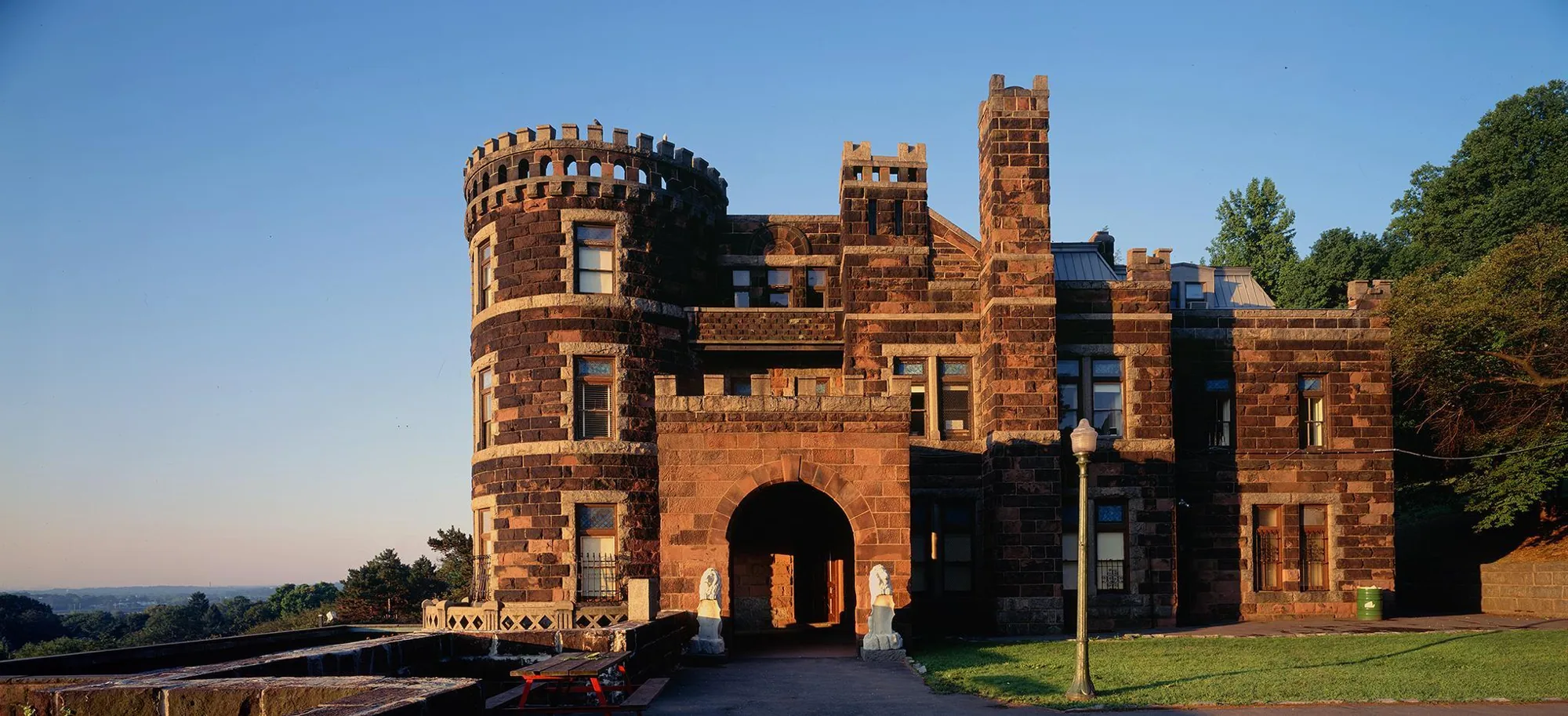
Elmwood Park
A replacement scope that lists membrane but omits the material lift can understate the actual work long before a crew reaches the roof. We confirm delivery access, staging permission and the approved roof area before comparing repair with renewal. Elmwood Park, NJ, is accessible from several regional highways. Their names help locate the borough; the receiving entrance, clearance and roof access are verified with each property contact. That keeps access assumptions visible in the amount ownership approves.
We inspect the roof system where water or wear appears, then follow the connected seams, curbs, drains and edge transitions. If the receiving material is stable and the defect has a measured boundary, repair can preserve sound portions of the assembly. Where layers are concealed, a controlled opening may show whether insulation or substrate changes the scope. We explain that test before removal, photograph what is exposed and pause at the agreed release point so the owner can price added work before authorizing it.
Elmwood Park's road network makes route planning useful, but not a substitute for roof inspection. We record the membrane, drainage and details at the building. A condition survey documents the physical findings before work is selected. For a leak needing immediate protection, our crew can respond at any hour of the day or night, through weekends and holidays, and distinguish that interim step from the permanent repair. A repair proposal states material, preparation and limits so the owner can approve what is known without silently accepting an undefined removal allowance.
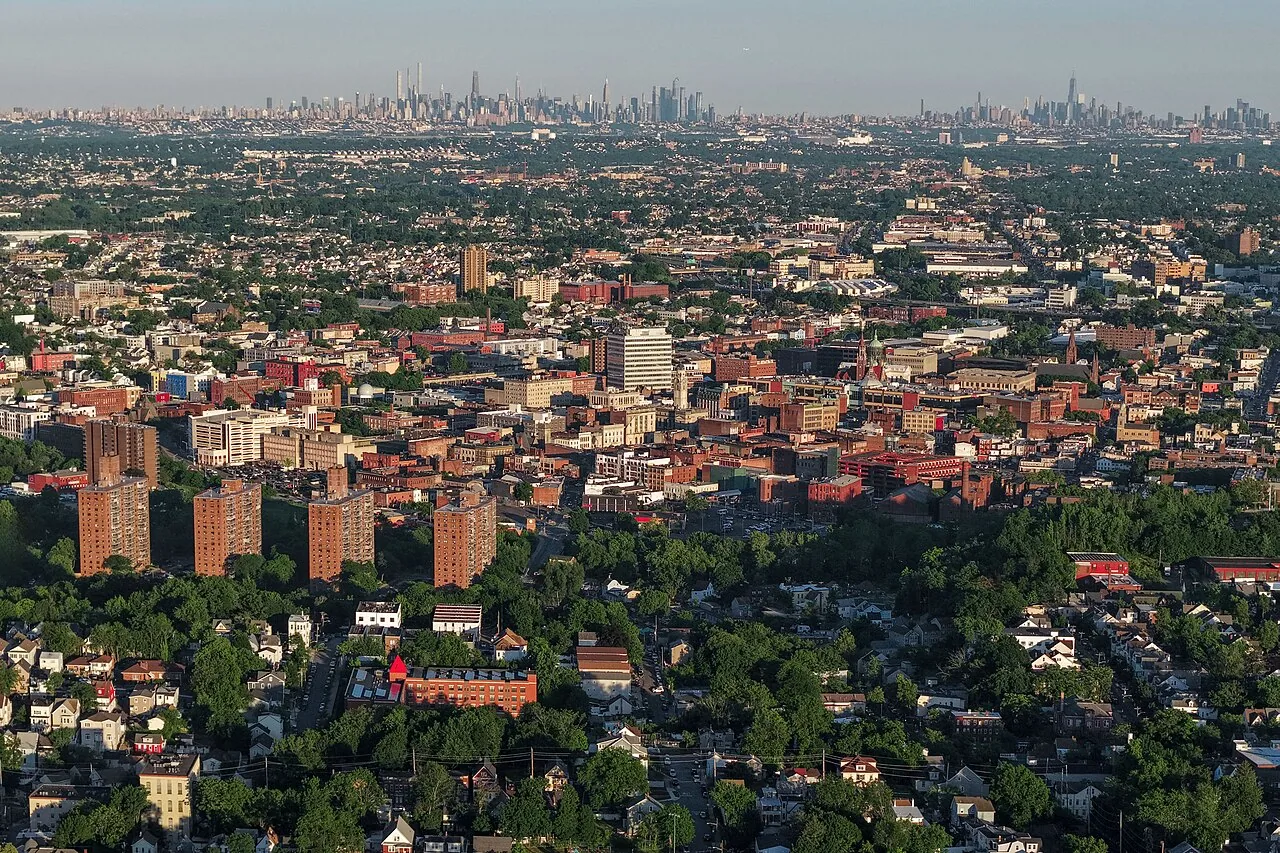
Route choices: Confirm the final delivery leg
Interstate 80 and US Route 46 serve Elmwood Park along with Route 4 and the Garden State Parkway. A highway route does not say where a vehicle can turn, wait or unload on a specific property. We verify the final approach, gate rules, overhead clearance and truck size with the site contact. If staging requires a lift or separate operator, that dependency appears in the estimate. An owner can then confirm the authorization before material reaches a point where it cannot be unloaded safely.
The crew also needs a route from the staging point to the roof. A building with a roof hatch may differ from one needing an exterior lift, and each access method has its own operating limits. We record how workers will protect the ground path and any occupied area beneath the work. When a property has delivery traffic, the sequence should leave a clear passage or identify the time it must be held. Phasing occupied-building work can coordinate roof sections and access windows. The plan names who releases an area and what must be closed before the next shift or tenant use.
Industrial roof decisions: Verify the present assembly
Elmwood Park has a paper-mill history that includes Marcal resuming paper manufacturing in January 2020 after a 2019 mill fire. That history does not describe a current roof condition or establish that a given building has a particular system. We inspect each assembly and document the materials that are visible. If a roof contains multiple layers, we identify what a controlled opening would confirm and how it may change removal, insulation or attachment work. The estimate avoids treating past industrial use as a substitute for a present condition survey.
Industrial buildings can require rooftop equipment, exhaust or service access to remain coordinated during repair. Those components must be identified at the property before a crew selects the work sequence. A damaged boot or curb needs a connection compatible with the surrounding roof, while an operational unit may need a separate technician if it cannot be isolated by roofing work alone. Penetration and curb flashing includes the receiving surface, preparation and tie-in. If the assembly cannot accept a reliable patch, replacement planning can define removal and the new roof's perimeter and equipment details.
Public access: Protect the ground route
Elmwood Park has fire stations on Grove Street, Parkview Avenue, Martha Avenue and at Boulevard and Veterans Place. Those locations are municipal context, not a claim about prior roofing work or the condition of their buildings. On any public or emergency-service property, a site representative confirms access, operating limits and protected routes before roofing begins. We can phase the roof area and state the area that remains open, but the owner determines which route must remain clear for its own operations.
On commercial buildings, loading paths and customer entrances can be protected with a clear zone under the roof work. We identify where falling material, tools or an open edge require controls, then coordinate notices and timing with the property manager. If a work area cannot be isolated safely during normal operations, the sequence or work period may need adjustment. Edge and coping repairs should be closed with their perimeter protection complete, and urgent response work documents any temporary control that will remain until a permanent assembly can be installed.
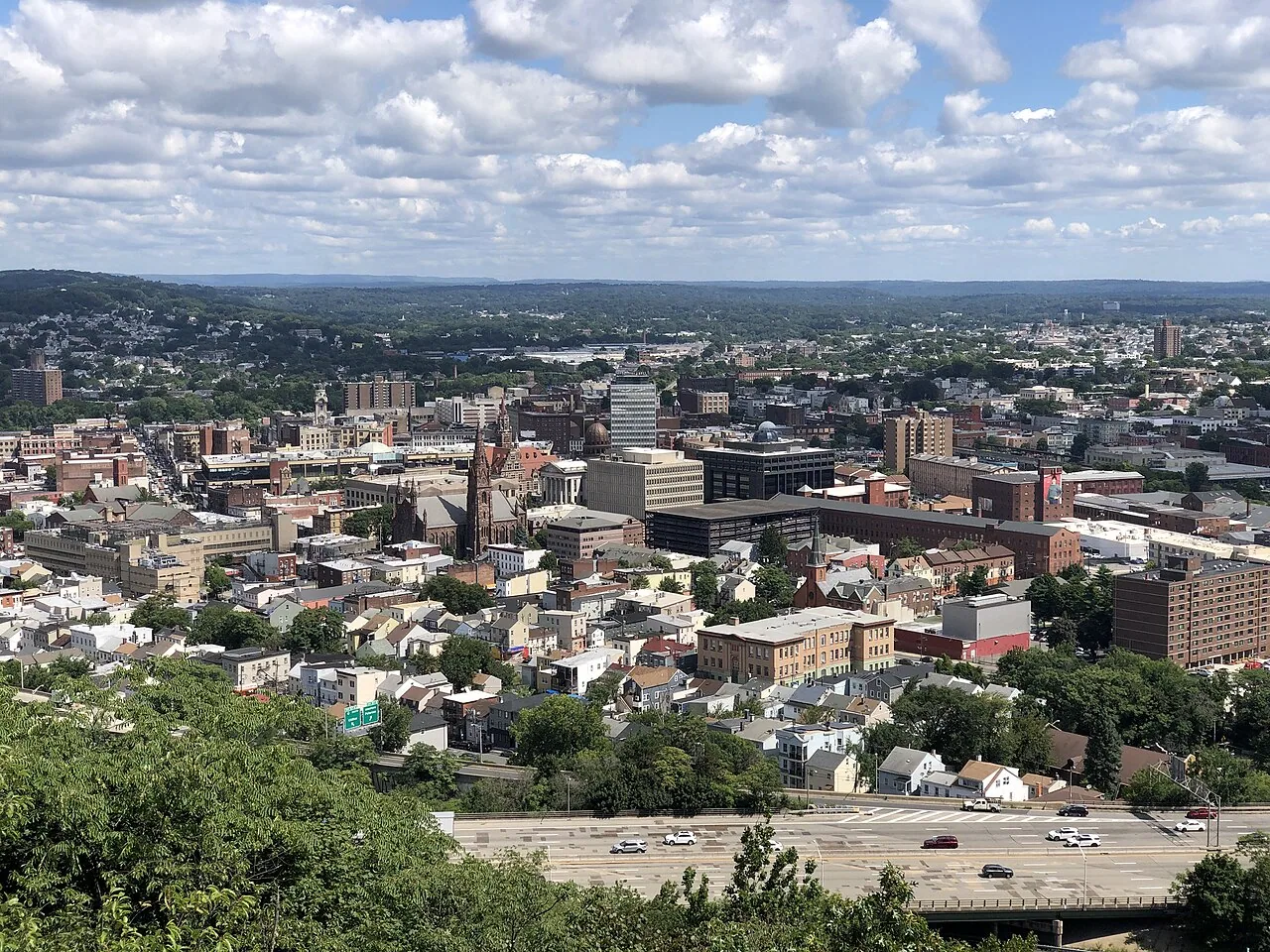
Drainage: Find the point holding water
Water can stay on a roof because a drain is blocked, a scupper connection is open or the surface holds it in a low area. We inspect the outlet, slope, surrounding seams and membrane connection before pricing the correction. A drain repair can address the flange or strainer; a broader slope correction may involve insulation and a more extensive construction decision. The proposal identifies which condition was observed and what inspection or opening would be needed if the water route remains uncertain.
If the interior report shows water in one room, we compare it with the roof-side path instead of placing a patch directly above the stain. Wet insulation is confirmed by suitable testing or a controlled opening. Drain and scupper work restores a failed outlet connection. A ponding-water review investigates why water remains after it reaches the low point. Each finding is tied to a roof area, letting ownership select a contained repair or a larger replacement comparison based on evidence rather than water location alone.
Scope and close-out: Record what changed
Before work starts, ownership should know what is included, which access assumptions apply and where a concealed condition would pause the job. We document the roof section, repair material, protection and release point. If a removal opening exposes wet layers or a substrate problem, the crew photographs the condition, secures the roof and submits the additional work for approval. Temporary cover is labeled as such, with the permanent completion item still open. The record shows why the original estimate changed.
After close-out, photos identify the repaired seam, drain, curb or edge. A report can also note a follow-up test or separate trade coordination. Written condition findings help the owner carry those items into the budget cycle. Nearby Fair Lawn's mixed commercial district and Passaic's active business streets have their own access and tenant constraints. We evaluate Elmwood Park from the actual roof and property rules, preserving separate findings if an owner manages several sites.
Commercial Roofing Questions
Do the highways determine how quickly a crew can reach the building?
They give a regional route, but the final access depends on the gate, loading path, clearance and property rules. We confirm those before setting the mobilization plan.
Does the mill fire tell you whether a roof was damaged?
The historical fact does not establish damage to a particular roof. We inspect current materials and conditions and only include a fire-related repair when the property evidence supports it.
Can an industrial roof be repaired without shutting down equipment?
We confirm which units can remain in service and whether a separate technician is needed. The roof detail and operating requirement control the sequence.
How does a repair allowance handle concealed layers?
We define a test opening or release point and pause for owner review if hidden material changes the estimate. Additional work is priced before the approved boundary expands.
What details do you photograph at completion?
We record the seam, flashing, drain or edge connection included in the approved scope and note temporary protection or follow-up work separately.
Price the roof and the access plan together
Share the Elmwood Park property, roof concern, access restrictions and decision date. We will document the present assembly and define the repair boundary or investigation needed before approval.