
Roof Capital Planning in Paterson, NJ
Plan roof capital work in Paterson with curb-height allowances, complete renewal comparisons and receiving investigations tied to the construction decision.
Roof Capital Planning
A proposed insulation increase that leaves too little usable curb height changes the renewal allowance before the field assembly is approved. The owner needs the curb and equipment consequences included alongside new roof layers, not added after the expenditure decision. For roof capital planning in Paterson, NJ, we identify that construction question at the receiving detail. Ownership can compare retention and removal with complete transition work, giving the planned amount a physical boundary before material selection fixes a height that another component cannot accommodate.
Capital planning starts with the assembly being considered and the decision it requires. We examine accessible roof condition and identify investigation needed for concealed receiving material. Written findings supporting a roof expenditure distinguish current defects, retained layers and preparation questions. The owner receives renewal alternatives with their curb, drainage and attachment requirements included, rather than a field-material amount presented as complete construction while the actual detail-height task and operating access remain outside the allowance.
Curb allowance: Include the consequence of new layers
New insulation, cover board and membrane can change the usable vertical detail at equipment. We examine existing curb height and the receiving connection alongside the proposed assembly. Raising or modifying another component may need service or design assessment before roofing is finalized. Ownership receives that dependency with the field quantity, allowing the selected construction to maintain a suitable transition instead of approving a layer increase that leaves the curb repair unresolved at the edge of the new roof.
Removal can offer a different receiving height while introducing disposal and preparation tasks. We explain those physical changes for a complete comparison, keeping equipment responsibilities consistent where they remain necessary. A retained assembly needs its own suitability established before it is treated as the base for new layers. The owner sees the material and component tasks under each option, so the decision compares complete construction rather than a smaller apparent field amount with height-related work omitted.
Required work: Distinguish weather closure from wider renewal
An open transition may need repair before the planned renewal period, even where much of the field remains suitable for retention. We identify the actual connection and construction necessary for closure. A contained repair of the affected detail should include receiving preparation and compatible material, with the boundary recorded separately from broader work under consideration. Ownership can coordinate that immediate task without interpreting it as renewal of every adjoining layer or as permission to postpone a receiving concern that still needs assessment.
Temporary measures can have a different purpose from permanent reconstruction. We identify the area protected and the condition controlling final closure, with another component task explained where relevant. Keeping roof findings connected to their next decisions helps distinguish completed repair from the assembly retained afterward. The owner can then evaluate the broader expenditure from current material condition, rather than assume an earlier patch established a remaining service period or that a planned renewal date makes every existing defect suitable for waiting.
Concealed layers: Establish the quantity before construction selection
Moisture, unsuitable supporting material or an unknown layer arrangement can change removal and the permanent receiving assembly. We identify suitable examination and selected exposure, including restoration, to resolve that question. Investigation and reconstruction of supporting roof layers need attachment, detail height and drainage considered. Ownership receives the finding that changes the quantity before the final material choice, keeping the capital decision tied to a suitable base rather than an assumed dry and serviceable retained assembly.
A deck or structural concern may require another assessment outside ordinary roofing preparation. We explain that dependency and the access needed to resolve it. The owner can authorize the investigation as a distinct task, then compare construction against the receiving condition established. That separates the cost of learning what removal requires from approval of the permanent quantity. New layers follow the assembly made suitable for them, instead of concealing a supporting question that still controls attachment and the proposed work period.
Commercial requirements: Evaluate the assembly being altered
New Jersey's 2024 IBC adoption took effect August 17, 2026, with the state's applicable commercial energy provisions using ASHRAE 90.1-2022. For the requested commercial task, applicable requirements need establishment alongside the proposed assembly and scope. We coordinate the receiving information relevant to that work before the owner chooses field material. The capital allowance should identify the construction under review and its design dependencies, allowing the renewal decision to address supporting layers and details as well as the new surface.
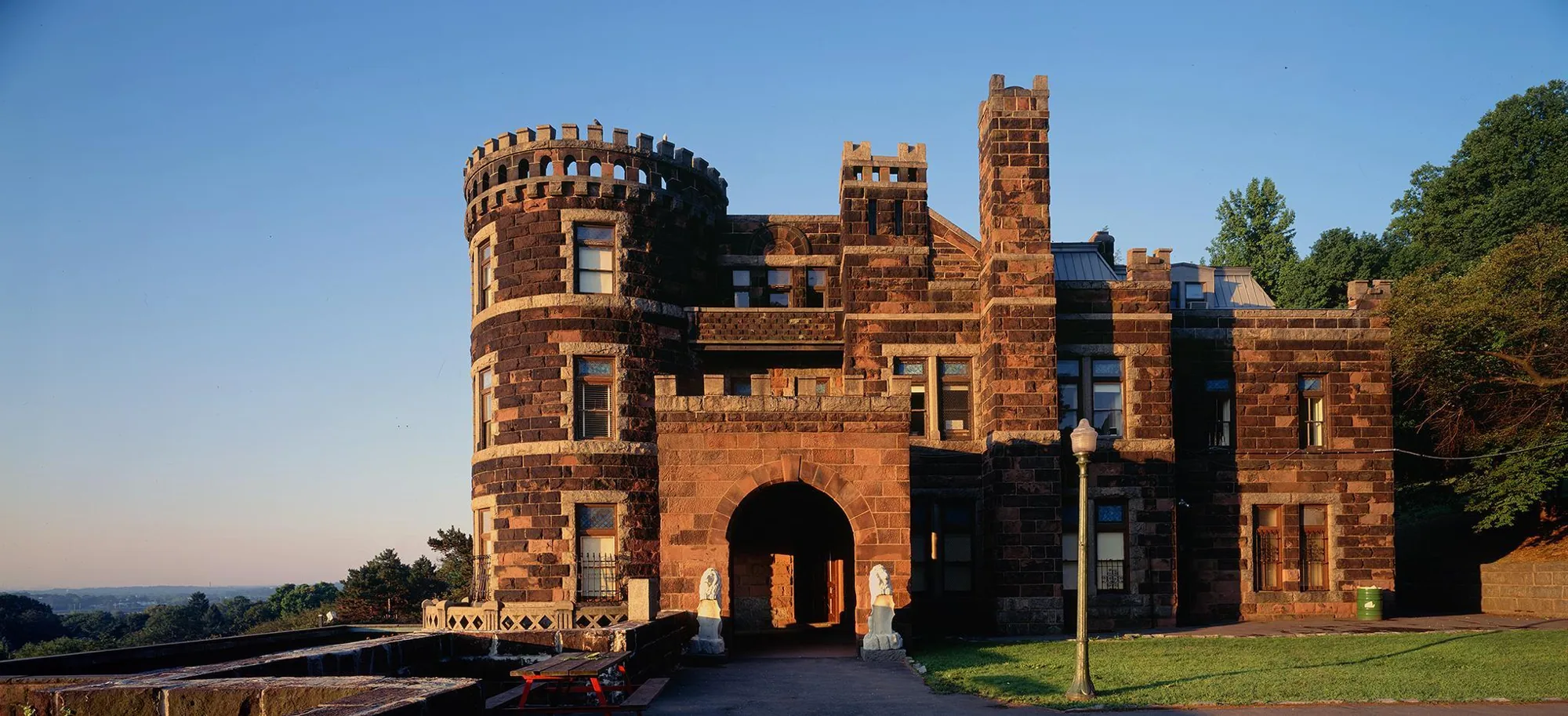
Paterson retains tall brick mills and former industrial properties associated with preservation and adaptive reuse. A requested property within that stock needs its actual roof and component conditions examined before renewal is selected. In the broader Great Falls Historic District, the proposed alteration and applicable project requirements likewise need assessment for the particular building. Ownership receives the curb and supporting-layer tasks needed for the proposed alteration, with the receiving assessment and applicable project requirements settled before a permanent assembly is selected.
Work period: Price the stage that can be completed
A capital construction period needs the equipment and interior access required for the receiving task. We identify those dependencies with the representative before removal is scheduled. Renewal staged around the occupied area requires practical closing boundaries and suitable temporary protection. Ownership receives the stage that can be opened and closed, with another component or assessment controlling completion identified rather than an allowance for field installation that assumes every associated task is available at the same time.
Hackensack includes office buildings, industrial properties and apartments in its downtown setting. For a requested Hackensack property, actual use and roof access influence the work period evaluated alongside the construction choice. We establish those conditions for the particular assembly. Property management coordination can arrange the relevant tenant or service contact, allowing the owner to assess a defined operating restriction instead of assigning one general disruption period to different building uses without examination.
Approved construction: Preserve the decision boundary
The final instruction should identify field material, receiving preparation and the adjoining detail work included. We explain the physical finding that would change removal and the approval needed before expansion. Ownership can coordinate a measured revision where exposure reveals another condition, with suitable protection maintained while the decision is arranged. That keeps the capital allowance connected to construction actually being performed rather than a general renewal amount that silently absorbs different component or supporting tasks without defining their permanent closing requirement.
Completed work is examined against that boundary, with new assembly and retained material identified distinctly. We discuss inspection appropriate to the reconstructed curbs, transitions and drainage after service activity. Another condition elsewhere needs its own receiving assessment before an additional expenditure is selected. The owner retains a useful distinction between the renewal purchased here and future construction at a different roof area, preventing the original capital instruction from becoming an assumed allowance for unrelated damage or a substitute for evaluating the assembly affected by a later alteration.
Commercial Roofing Questions
Why include equipment-curb height in a field-roof renewal allowance?
The proposed layers can change the usable flashing height and adjoining service requirements. We examine that detail before assembly selection. Ownership receives the curb consequence alongside field construction, keeping a new insulation choice from leaving necessary equipment or termination work outside the amount approved.
How is concealed-layer investigation separated from permanent construction approval?
Suitable checks and exposure are identified as the task resolving the receiving question. We present the condition found and the resulting removal quantity afterward. The owner can authorize investigation distinctly, then choose complete roofing construction against the base established rather than an assumed retained assembly.
Can an urgent repair be kept separate from a later capital renewal decision?
A contained closure can be practical where the receiving material supports it. We identify the detail repaired and adjoining assembly retained. Ownership can then evaluate wider renewal from current findings, without treating the local task as a substitute for the next receiving assessment or as renewal treatment across the field.
What should stay consistent when retention and removal options are compared?
Necessary curb, drainage and component work needs to be included under each option where applicable. We explain the preparation and handling that differ. The owner can compare complete construction rather than a smaller field amount that omits receiving tasks required to finish the same roof boundary.
Define the complete roof expenditure under review
Send the property, proposed assembly or renewal concern, available roof and equipment records and funding decision date. We will establish receiving questions and adjoining tasks needed for complete construction options.