Solar-Ready Commercial Roofing in Paterson, NJ
Prepare commercial roofing for solar in Paterson with condition assessments, support coordination and access planning that clarify renewal cost and timing.

Solar-Ready Commercial Roofing
A proposed solar support positioned over a seam already needing repair changes the owner’s sequence: resolve the roof connection before the array restricts access to it. Installing above an unresolved detail can add removal and equipment coordination to a later repair. In Paterson, NJ, we prepare commercial roofing for solar by assessing the retained assembly, proposed support connections and access that will remain. The scope identifies roofing work needed before installation and tasks requiring the solar or structural team’s decision.
A sound-looking field does not complete that assessment. Seams, penetrations, drainage, attachment and concealed condition can influence whether the roof should be repaired, renewed or further investigated before equipment arrives. We describe those findings with the proposed installation period in view. Where renewal before the array is practical, ownership receives the removal and new assembly comparison separately from solar construction. That allows the roof expenditure to be approved without leaving equipment responsibilities hidden within its quantity.

Retained roof: Assess the repair period ahead
Open seams beneath a proposed equipment footprint can make future access costly even where the present repair is contained. We examine the affected roof and identify suitable repair boundaries. A wider deterioration pattern may justify renewal before the array is installed. Ownership should see the construction needed now and the access consequences if it is deferred, rather than approving equipment installation based only on the absence of a current interior leak or the visible condition of the membrane field.
Concealed moisture and attachment concerns may need selected openings or other investigation. We define the question being examined and restoration of the inspection area. The result informs the retained material and replacement quantity for each option. Planning the roof expenditure can then account for the array schedule and the proposed roofing work together. The decision is tied to the assembly found, with unresolved construction information addressed before the owner commits to covering areas that may soon require removal.
Support arrangement: Coordinate load and roofing tasks
A ballast or attached support system needs appropriate assessment of the receiving structure and assembly. The solar and structural teams establish the load and support design, while we identify its roofing consequences and the work needed at affected details. Ownership receives that division of responsibility before the roof scope is finalized. A protection layer or cover board can serve an assembly function, but it is not a replacement for assessment of the structure supporting the proposed equipment.
Penetrating supports require suitable flashing and a receiving detail that can be constructed with available access. Surface-mounted equipment introduces contact and movement considerations that also need review. Roof support and curb coordination identifies the roofing boundary once the design is established. We discuss material compatibility and protection appropriate to the membrane, with the solar team responsible for its equipment arrangement. That sequence lets ownership approve the complete connection instead of receiving a generic roof allowance before the support positions are known.
Working clearance: Leave the roof maintainable
A drain surrounded by tightly placed equipment can become difficult to clean or reflash. We review the proposed layout with drainage and future service access in view. Outlets, seams and transitions needing attention should remain reachable through a suitable arrangement agreed with the design team. Ownership needs those requirements established before installation, because moving equipment later can turn straightforward upkeep into another coordinated construction task with a different working period and additional removal.
Access routes also need protection suited to the roofing and the traffic expected during installation and service. We identify vulnerable areas and the detail being proposed to protect them. Maintenance after solar installation should include accessible checks at affected connections and drainage points. The agreed layout needs to allow those tasks to be completed. A repair plan that depends on reaching the membrane below closely spaced equipment should identify that dependency before the owner approves a layout that prevents the work.
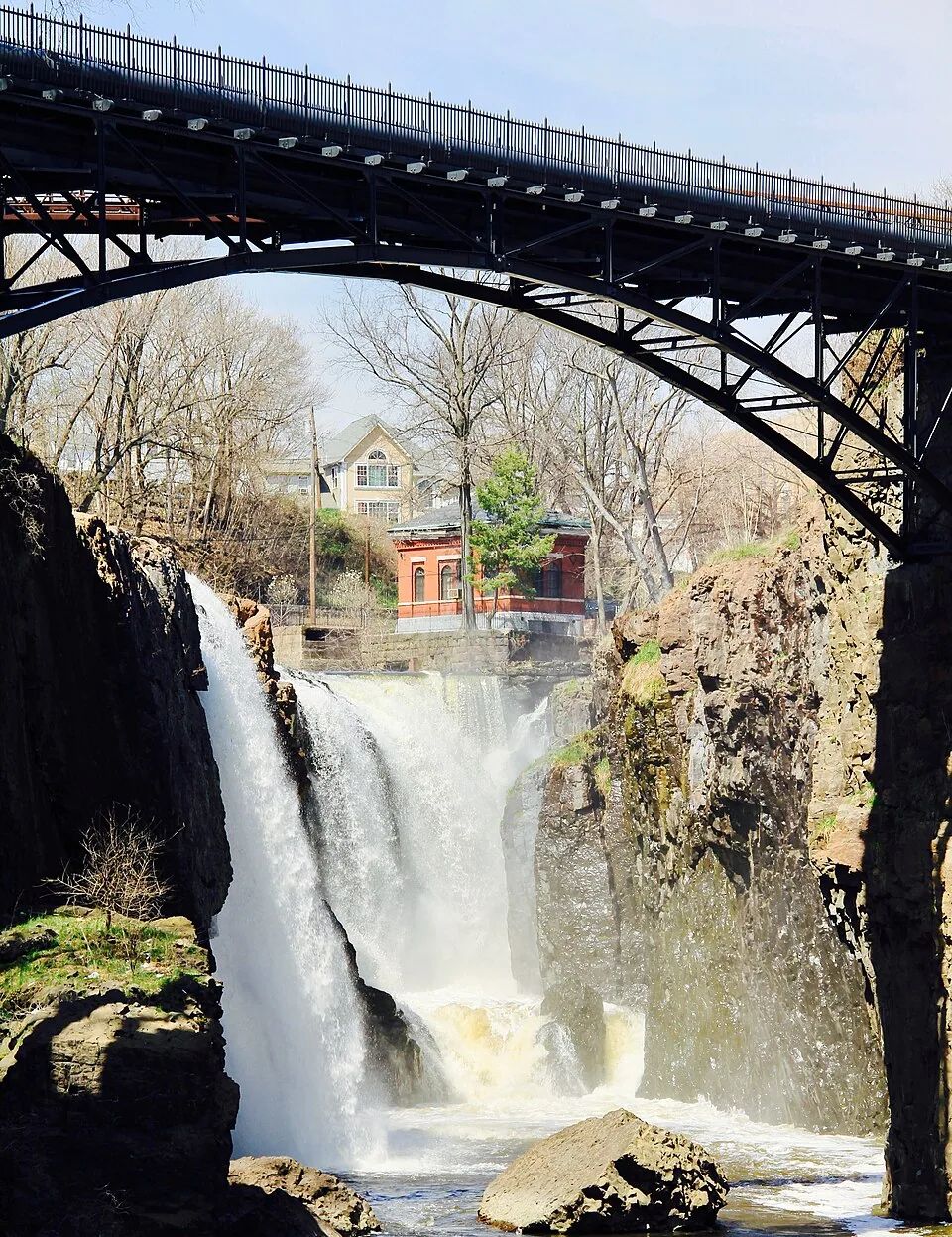
Paterson property use: Coordinate roof and equipment delivery
Paterson’s current economy includes manufacturing activity and education. At an occupied building serving either use, array installation and roof construction may require different access and equipment service periods. We establish the affected roof area and the operating task that constrains the work. Ownership receives the roofing sequence with those dependencies identified, allowing the solar installation date to follow suitable roof completion rather than forcing repairs into an unavailable period between equipment deliveries.
South Paterson lies below Interstate 80 and adjoins Clifton, with commercial zoning along Main Street. For a commercial property’s equipment installation, tenant entrances and deliveries can affect loading and roof access. In South Paterson or neighboring Clifton, we agree on the actual property routes and working restrictions. The roofing proposal identifies protection and the area required for material movement, giving ownership the practical arrangements needed to coordinate contractors without assuming every delivery can use the same entrance or service period.
Installation interface: Close details at the right stage
A new support flashing can require access before the array is placed above it. We coordinate that stage with the equipment team and define the opening, receiving work and permanent closure. The construction sequence should identify which roofing detail must be completed before the next equipment task proceeds. Ownership can then arrange inspections and approvals at a useful point, rather than discovering after installation that the completed layout obstructs a termination still awaiting repair.
Material handling can damage roofing outside the planned support footprint. We agree on the routes and protection for the installation activity, then inspect affected areas at the appropriate stage. Correction of installation-related punctures needs a compatible scope and a clear responsible party. The roofing work is distinguished from equipment commissioning so the owner can track completion of both. A new penetration or changed cable route also needs its own weather connection, which should be addressed before equipment activity makes the receiving detail difficult to examine.
Later repairs: Define access and equipment responsibility
A leak beneath an array may require equipment movement before the relevant seam or support can be examined. We discuss that dependency when planning roof work around existing solar equipment. The solar service team may need to isolate or remove components, while roofing investigation establishes the damaged connection and permanent repair. Ownership receives those tasks separately, with the sequence and protection identified. That avoids pricing a membrane repair as though the entire affected area were freely accessible.
The handover should identify roofing completed before installation, details added with equipment and any area left outside the approved work. Available assembly and layout records help locate later repairs and coordinate service. We discuss inspection of drainage and weather connections after changes to the array, with access arranged for the particular component. The roof remains a maintainable assembly throughout its equipment use, and ownership needs a practical responsibility for reaching and repairing it when an operating change creates a new construction requirement.
Commercial Roofing Questions
Should a seam repair be completed before the planned solar installation?
A repair beneath the equipment footprint is usually easier to assess while the area remains accessible. We examine its extent and explain the permanent detail. Ownership can compare completing that work now with the equipment movement and trade coordination a later repair would require.
Does a new roof make the building ready for the array’s structural load?
Structural suitability requires assessment of the proposed equipment and receiving structure. Roofing work addresses the assembly and weather connections established through that design. We identify the information needed before defining support details, rather than treating roof replacement as approval of the equipment load.
What changes the scope when solar equipment already covers the repair area?
Access may require isolation or removal by the equipment service team. We identify that dependency and the roofing investigation needed once the area is available. The owner receives separate equipment and roof tasks, with protection and permanent closure coordinated in the working sequence.
How can the array layout affect routine drain maintenance?
Equipment placement can restrict the route and clearance needed for cleaning or outlet reconstruction. We review those locations with the design team before installation. The agreed arrangement should support the actual maintenance task, including access to the roof connection rather than only the visible strainer.
Coordinate the roof decision before solar
Send the building location, proposed array layout, roof records, known defects and installation decision date. We will identify roofing investigation, repair or renewal needs and the support interfaces required for a measured scope.