Drone Roof Inspection in Paterson, NJ
Use drone roof inspection in Paterson to examine difficult edges and roof conditions, then define the access and physical checks needed for repair pricing.
Drone Roof Inspection
A displaced coping joint beyond available ladder access can require an imaging allowance before the repair approach is selected. The owner needs to know whether the concern is confined to that connection or extends along the roof edge. In Paterson, NJ, drone imagery can help examine difficult viewpoints and show the relationship between visible damage, equipment and access. We define the inspection question first, then determine whether a suitable flight and useful viewing angle can support that decision.
The value of the images is the work they help clarify. A closer view may support pricing access to a perimeter component or identify an area needing physical examination. We connect the imagery with hands-on inspection where the assembly needs testing. The owner can then approve the next stage with a clearer location and purpose, instead of treating an aerial picture as enough information to fund a concealed repair or a whole roof replacement.
Inspection question: Choose the useful viewpoint
A broad roof overview and a close view of a damaged edge serve different approval questions. We discuss the condition, requested area and decision date before planning the imaging scope. The proposed views may include perimeter connections, equipment groupings, membrane fields or drainage routes where they can be seen. We describe the intended coverage and the receiving surfaces that still require another inspection method, so the owner understands what the imaging allowance is intended to resolve.
Available roof plans and photographs help locate the concern. A roof with several levels can require different viewing positions, while nearby equipment or walls may obscure the detail. We consider those limits when selecting the flight and image sequence. Where a useful view cannot be obtained safely or within applicable operating requirements, another access arrangement may be needed. That change belongs in the inspection decision before ownership relies on an image set that leaves the critical connection unseen.
Image finding: Locate the physical concern
Displaced metal, exposed membrane or an accumulation of debris may be visible from above without roof traffic near the concern. We examine the images for the component and its relation to adjoining details, distinguishing visible observations from conditions that need closer examination. A coping gap can direct the next access decision; it does not establish the condition of the concealed fastening surface. We describe the physical check needed to complete that repair allowance.
Broader views can help compare visible conditions across roof sections and identify equipment service routes that influence the working area. Where perimeter metal requires correction, imagery may show how much of the edge needs closer inspection before material is ordered. We tie each concern to a recognizable roof location, with photographs chosen for the decision rather than their visual appeal. The owner should be able to identify the affected connection and understand why the next inspection step is being proposed.
Working conditions: Reserve the appropriate survey period
Wind, precipitation, visibility and nearby activity can prevent useful or safe imaging. We assess the proposed operation and applicable flight requirements before fixing the survey arrangement. A date requested for a funding meeting may need an earlier working window so weather does not leave ownership without the required observations. We discuss that timing with the building representative, along with access to the operating area and any restrictions affecting the proposed inspection.
People, vehicles and equipment movements also influence the arrangement. We establish where the operation can take place and how the building will keep the necessary area controlled. Roof and ground activity must be coordinated for the actual property. Imaging may reduce some roof access, but it still requires a suitable operating position and permissions. We explain those dependencies as part of the survey scope, allowing the owner to release the working area without assuming the inspection can proceed from any available point.
Paterson stock: Match the view to the building
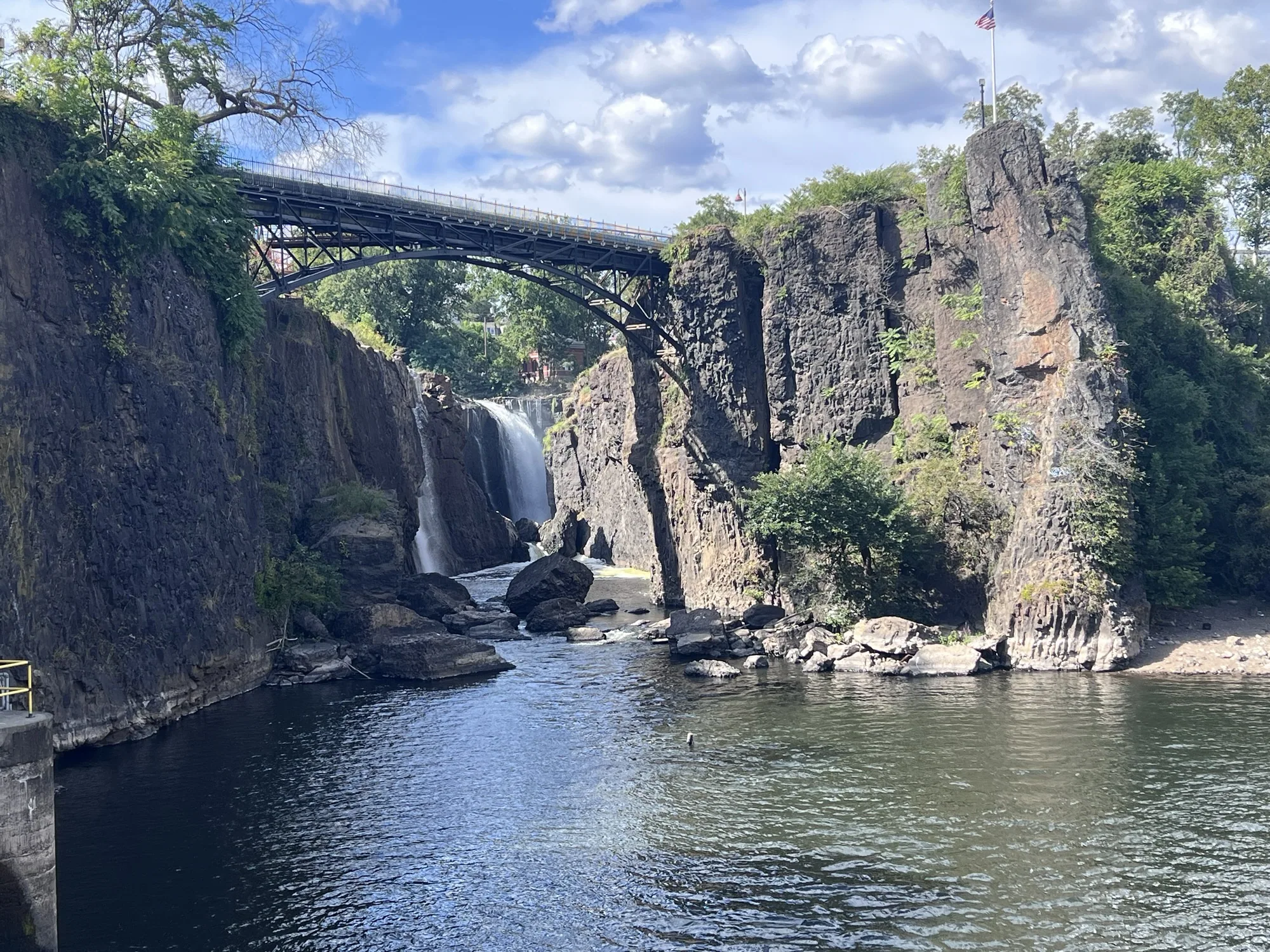
Tall brick former mill buildings are part of Paterson’s retained industrial stock. For a property undergoing reuse, images can help locate high wall transitions and equipment arrangements before closer roof access is priced. We assess the actual configuration and select views that address the requested concern. Where a parapet hides the receiving surface, the owner may need a separate access allowance to examine it before a repair detail or renewal scope is approved.
Industrial uses in Riverside sit near Madison Avenue and Route 20, while Downtown Paterson includes commercial and civic buildings. At a particular industrial property with occupied operations, imaging should be coordinated with the person responsible for deliveries and equipment activity. At a downtown building, entrance use and the available operating position also need assessment. We connect those arrangements with the roof views required, keeping the survey decision specific to the property’s access and the component the owner needs to evaluate.
Repair allowance: Fund the remaining examination
A photograph of a lifted membrane corner does not establish whether the insulation beneath it is wet or whether adjoining attachment is suitable. We identify those unanswered assembly questions and propose the appropriate next inspection. The follow-up may involve a close seam check, selected opening or an infrared investigation of suspected moisture under suitable conditions. Its purpose is to complete the information needed for a repair boundary, not repeat the aerial survey from another position.
We distinguish imaging observations that can support access pricing from quantities that require physical confirmation. A visibly displaced component can establish where work is needed, while concealed deterioration can change its extent once exposed. Ownership receives that separation before approving permanent repair. Where images show several disconnected concerns, we explain which one changes the immediate decision and which can be examined during planned access. This helps keep the next allowance proportionate to the physical question still unresolved.
Delivered findings: Connect images with the next action
Images are most useful when the affected area is identified and the finding is explained. We provide a description of visible concerns and the access or investigation they support, so the owner can use the survey in a repair discussion. Relevant images can accompany condition findings for approval. We identify any area that was obscured or unexamined and explain the additional arrangement needed where it affects the proposed work.
For a later renewal comparison, the imaging record can show roof levels, equipment locations and the visible condition at the survey date. We connect it with replacement investigation and assembly decisions when removal or attachment questions remain. A future visit should be compared against recognizable locations and similar viewpoints where practical. That gives ownership a usable history of the visible condition, with physical checks available to resolve changes that affect the repair or renewal allowance.
Commercial Roofing Questions
Can drone images price a repair to hidden coping fasteners?
The images can locate displaced metal and help define access. Concealed attachment still needs physical examination before its repair quantity is settled. We distinguish the access allowance from work that depends on exposing the receiving surface.
Does a flight remove the need to open a suspected wet area?
Visible imagery cannot establish the moisture condition beneath the membrane. We identify whether further investigation is needed and select an appropriate method. A physical check may be necessary before wet-material removal is included in the permanent scope.
What should we arrange before an imaging date is fixed?
Provide the building contact, requested roof area and restrictions affecting the operating position. We assess access, activity and flight requirements before confirming the arrangement. Weather and visibility may require another suitable working window.
How can the images help ownership compare repair proposals?
Located photographs give each discussion a common physical point. We explain the visible defect, required access and any unanswered assembly question. Proposals can then be compared against that identified concern, with concealed quantities distinguished from observations already made.
Define the aerial inspection allowance
Provide the building location, difficult roof detail, available access information and the date your repair decision is due. We will assess the useful imaging scope and identify physical checks needed afterward.