Commercial Roofing in West Orange, NJ
West Orange commercial roof inspections and repairs scoped around occupied offices, commercial corridors, drainage paths, access and owner approval.
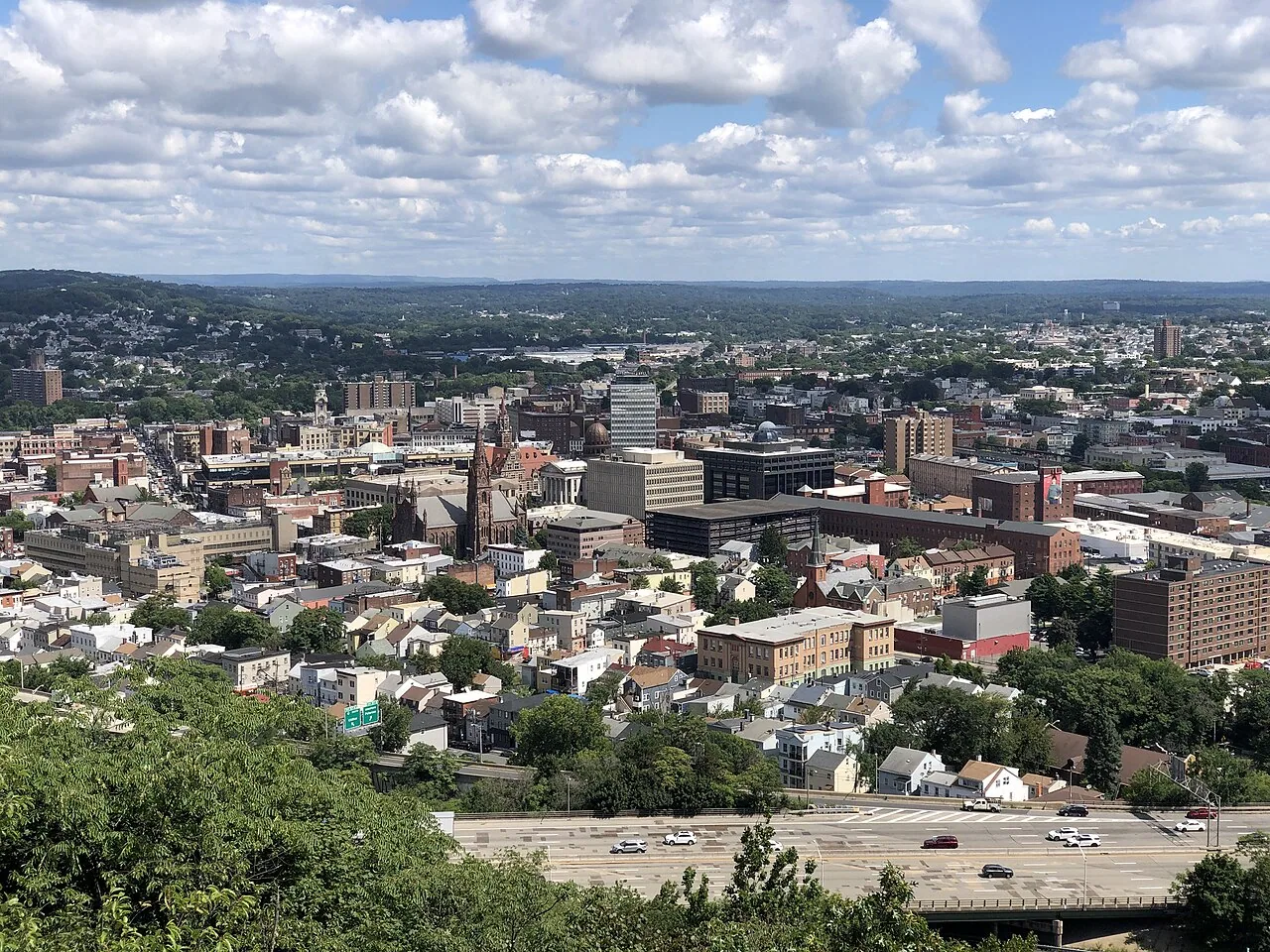
West Orange
An office leak raises a practical first question: how far does the evidence support opening the roof? We trace the reported area through the nearby field and transitions, then present a bounded correction and a separately priced test only when it could change the scope. West Orange includes commercial activity near Prospect Avenue and in Pleasantdale, while Interstate 280 crosses the township and Route 10 ends there. These are broad location cues; each property still needs its own access, operating schedule and roof assessment.
The inspection checks seams, drains, wall flashings, curbs, edges and the area connected to the leak. Water may travel before it becomes visible inside, so we document the likely path rather than assuming the entry is overhead. Photos describe observable conditions. If a hidden layer remains uncertain, our report identifies the smallest proposed opening and what it could confirm.
Offices, stores, restaurants and other occupied properties have different tenant and access limits. The manager confirms which routes remain open, who can authorize entry and what protection belongs below the work zone. A documented roof inspection supports a repair or renewal decision. Emergency response is available day and night, holidays included; any temporary stabilization is recorded as a separate line of work.
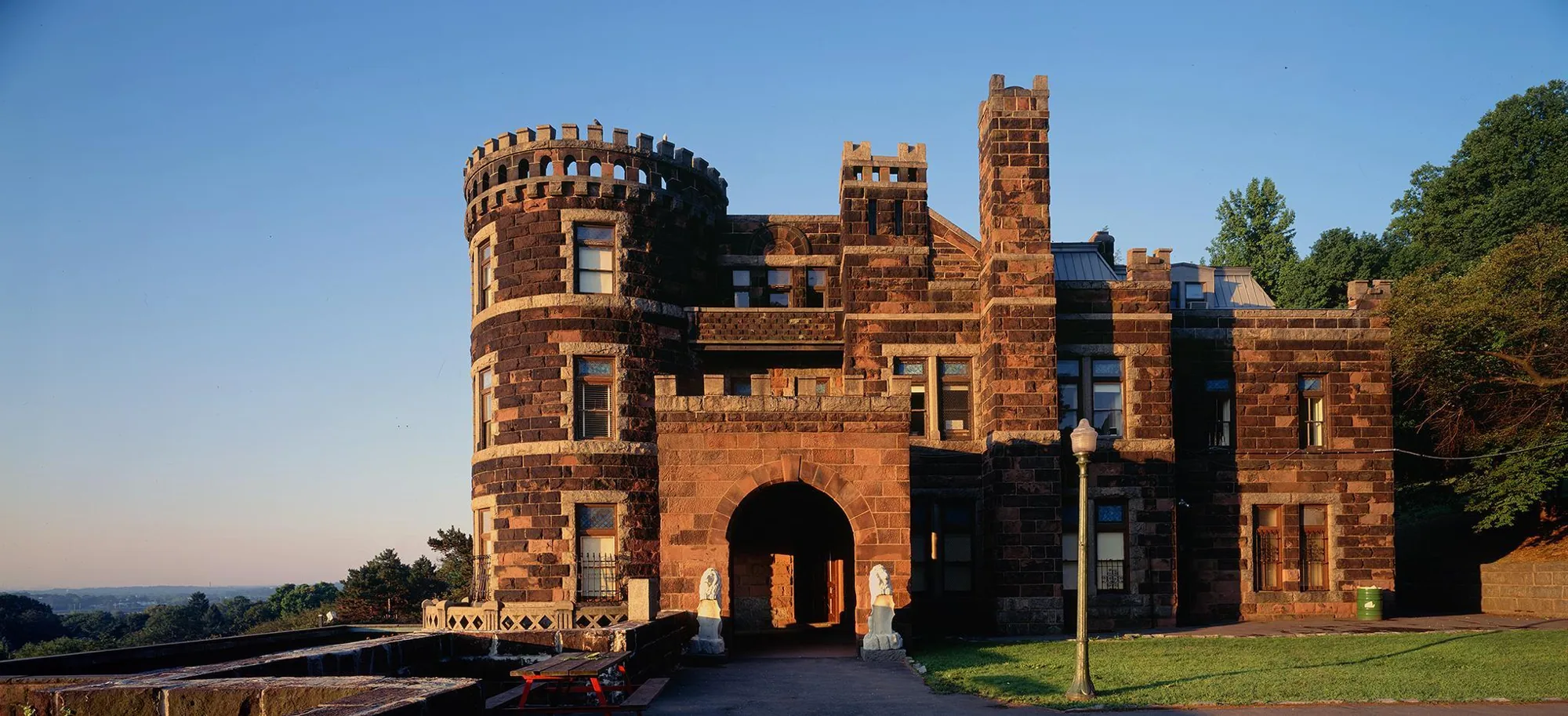
Commercial corridors: Plan for building use
Professional offices near Prospect Avenue and mixed commercial properties in Pleasantdale do not share one roof layout or operating calendar. We confirm the actual use, approved entrance, staging boundary, tenant notice requirement and any equipment shutdown before setting a work window. If business continues below, the plan names the protected area and route left clear. Materials are scheduled after the receiving contact confirms the arrival method and available space.
Phased roofing over occupied space divides work zones and sets a daily close-out. Where the leak is at a curb, wall or equipment penetration, the transition scope includes the receiving surface and closure after inspection confirms the failure. The proposal distinguishes the known detail from optional removal or access so ownership sees what is included in the price.
The owner also receives the contact for weather or access changes and the condition that requires a return visit. That keeps work and further authorization within an agreed boundary.
Route planning: Confirm the approved approach
Interstate 280 crosses West Orange and Route 10 has its eastern terminus in the township. Those connections help locate the area, but neither establishes the approved driveway, delivery hour or staging right at an individual building. The property contact confirms the entrance, vehicle limits, lift placement, material drop and any path that must stay clear. We record those constraints before crew and material dates are set.
Work near an occupied office or retail property may need a limited noise period, mechanical-room access or access to a mechanical space. The manager identifies which dependencies are real. Emergency stabilization limits active exposure; permanent work still needs a safe approach and owner approval. The schedule describes the disruption period, included protection and close-out step. If access changes, the supervisor asks before moving staging or extending the roof zone.
Drainage and flashing: Trace the entry point
Water can enter at an edge, curb, seam or outlet and travel before showing up below. We inspect strainers, sumps, drains, scuppers, flashings and terminations along the connected path. A blocked outlet and a failed wall transition call for different corrections. If water persists after an outlet is cleared, slope and hidden insulation may require a separate check before the scope widens.
Drain and scupper repairs restore a confirmed damaged connection. A ponding assessment helps identify whether retained water reflects blockage or a broader condition. We distinguish visible evidence from an assumption and name the next test needed. This keeps a leak response tied to an observable issue rather than authorizing general repair across the building.
For an occupied office, drainage work should leave the outlet functioning at the end of each shift. We confirm whether debris removal is included, whether a damaged connection is being replaced and what nearby seams require protection during the repair. The close-out notes show the outlet condition after work and whether follow-up observation is recommended. A roof drain correction should not be described as resolving a broader slope problem unless inspection supports that conclusion.
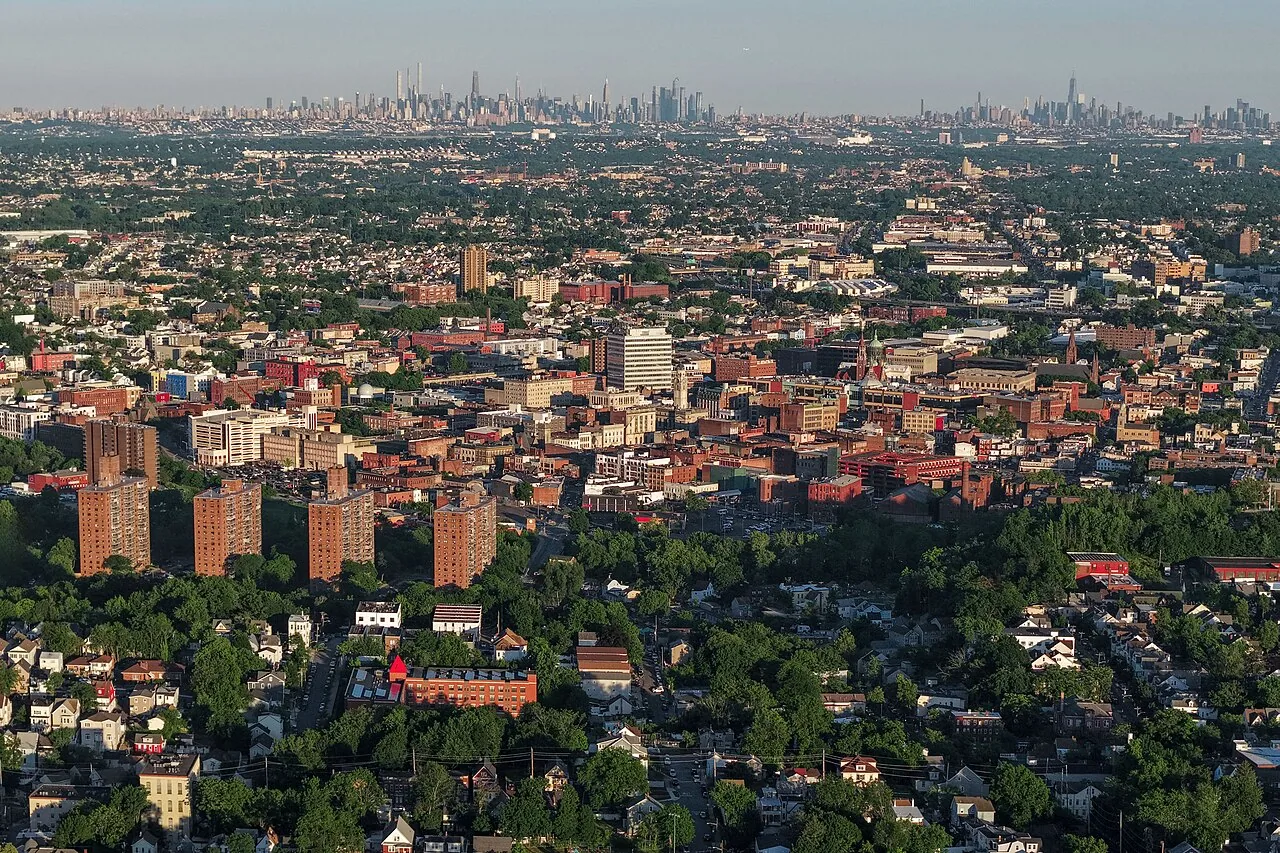
Repair or renewal: Compare what inspection supports
For a West Orange roof, we tie close-out evidence to the agreed work zone: the record shows the completed connection, the remaining roof outside the limit, and any condition that ownership chose to defer. Repeated failures across zones, wet insulation or widespread deterioration may support a replacement comparison. A replacement scope specifies removal, hoisting, disposal, perimeter details and daily protection. Pricing follows the work and access required, not an unqualified roof-area allowance.
A recover may be viable when retained layers are sound and new height works at curbs, drains and edges. The recover review checks attachment, moisture and clearance before it is proposed. Coatings also require a compatible dry surface. We compare TPO only if field condition, substrate and the requested roof design support that system choice. Each option explains the finding that could change its cost or feasibility. A repair remains the first comparison when damage is localized and the surrounding material can accept a sound tie-in. Broader renewal is considered only when the inspection supports it. Any unresolved moisture or attachment question is listed as a test rather than converted into an assumed replacement quantity.
Approval record: Maintain a clear release point
Before removal, the estimate states included materials, roof zone, protection and any test-opening allowance. A changed finding is brought to the decision-maker with a separate price; the crew stays within the accepted area until released. Any temporary patch is marked in the report by location and treated separately from lasting restoration. This provides a decision point before additional removal changes the cost or disruption window. Where the base accepts repair, we describe the material interface and identify the work needed to close it. A roof-condition report preserves evidence for maintenance and funding. Nearby Montclair commercial districts and Bloomfield business areas have their own access routes and assemblies. They are separate inspections, not a basis for assuming a West Orange condition. The owner receives a record tied to the actual roof and authorization.
Before the owner funds additional removal, the estimate identifies the physical condition that would justify it and the amount of work that condition could affect. If the affected area proves smaller, the scope can remain narrow; if concealed damage extends farther, ownership receives photographs and a revised price. This separates emergency stabilization from capital planning and makes each approval traceable to an observed roof condition.
Commercial Roofing Questions
Can repair work happen while offices remain occupied?
The property contact confirms tenant notice, protected entrances and operating periods. We define the roof zone, route and daily close-out around those constraints.
Does the interior leak mark identify the roof opening?
Not necessarily. Water can travel within the roof assembly, so we inspect connected edges, seams, curbs and drains before defining repair.
What if a test opening finds concealed damage?
The crew pauses at the release point, documents the material and prices added removal or repair for ownership before the scope expands.
When is a roof recover an option?
A recover should be compared only when attachment, moisture and elevation checks support retaining the present assembly. The review must also show that equipment curbs and drainage details remain serviceable at the new height.
How do you coordinate a material delivery?
The manager confirms the entrance, receiving time, staging location, lift and any route that must remain available before material is scheduled.
Confirm the West Orange work boundary
Share the property use, roof concern, approved access and decision date. We will inspect the affected detail, define the included repair and identify any opening that could change it.