Commercial Roofing in Fairfield Township, NJ
Fairfield Township commercial roof inspections and industrial repairs planned around loading access, drainage findings, equipment and owner approvals.
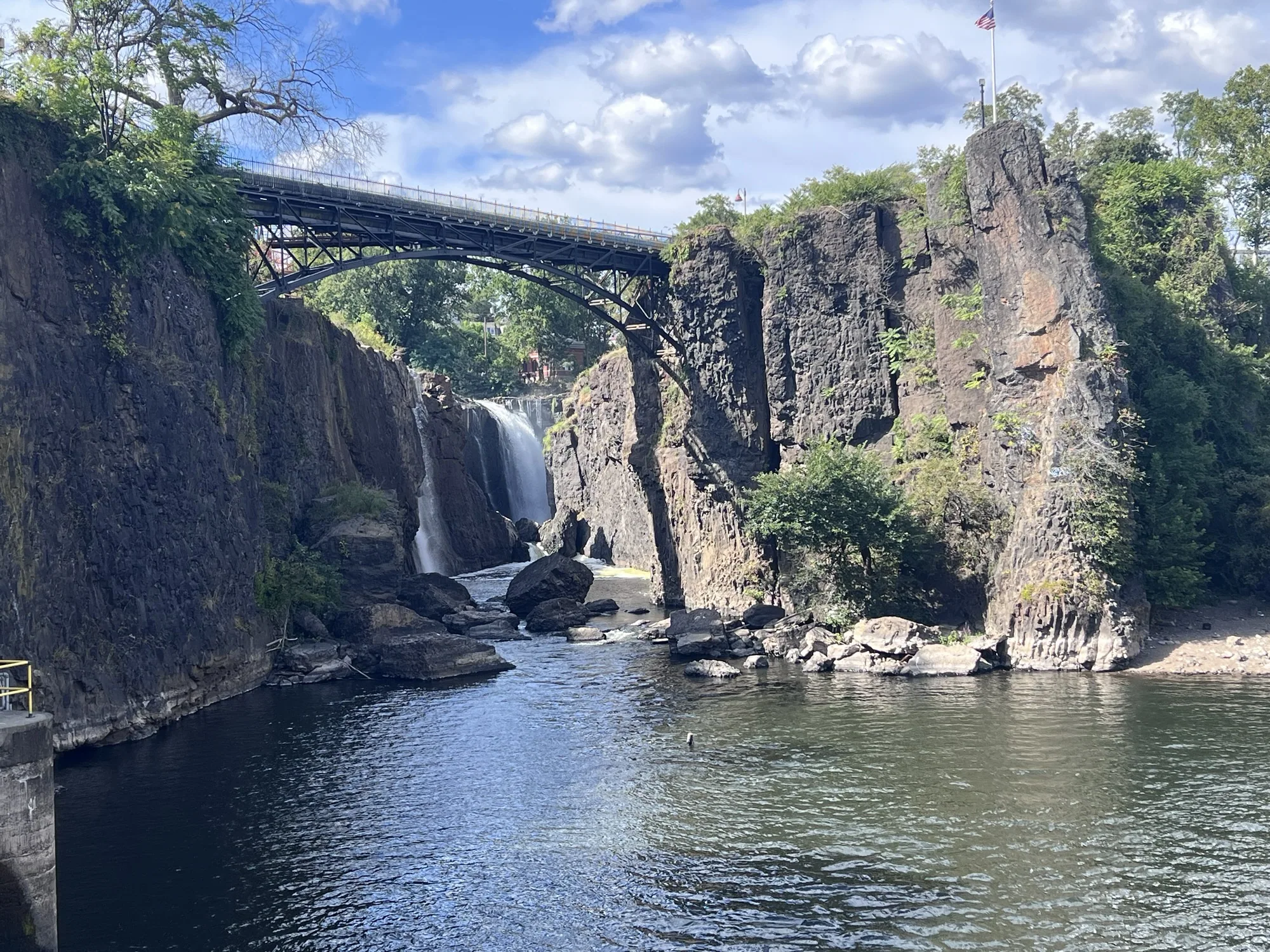
Fairfield Township
A separated curb flashing above an industrial roof can call for a measured repair without proving that the full assembly needs replacement. We inspect the transition, surrounding membrane and drainage, then price the confirmed correction and any opening that could expose concealed damage. Interstate 80, U. S. Route 46 and Route 159 serve Fairfield Township. Those routes support broad orientation, while the site's entrance, loading limits and roof condition determine the actual access and work sequence.
The roof review follows the reported water path and distinguishes a confirmed connection from a suspected cause. We compare the indoor report with the connected roof area and show which seam, curb or drain supports the repair recommendation. Photos show the observable detail. If insulation or deck cannot be assessed without opening the assembly, the proposal states the test area, close-out and release point for any additional work.
Industrial building stock and other commercial operations can have receiving windows, vehicle paths, rooftop equipment and shutdown dependencies. The property contact confirms which remain active during roof work. A documented inspection helps ownership compare a repair with broader renewal. Our emergency service operates every day and through holidays. We document temporary protection first, then set the permanent repair boundary.
The inspection record names areas reached and any conditions hidden by equipment or inaccessible surfaces. It does not extend a finding to parts of the roof that were not reviewed. If the owner chooses a test opening, we state its purpose, location and close-out before removal. The photo record links the confirmed repair to the reported leak and provides a reference for later maintenance review.
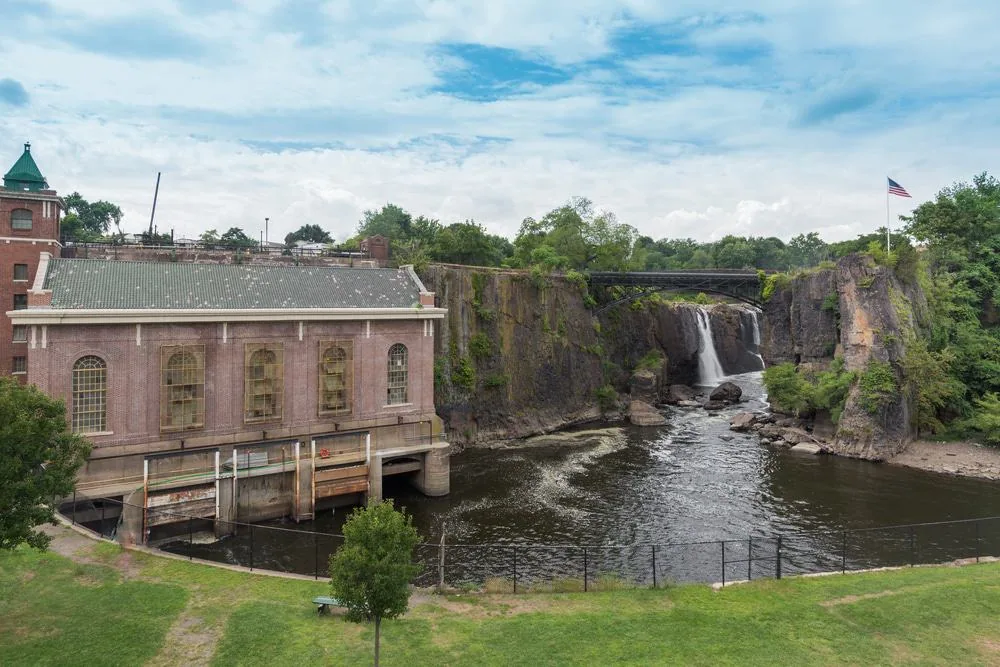
Industrial operations: Protect loading and equipment access
A roof task above an operating building can affect receiving, material staging, mechanical areas or employee routes. We confirm the authorized gate or entrance, truck clearance, loading period, lift location and any route that must remain open. If equipment needs a shutdown or protected access, the responsible contact and notice period appear in the work plan. We do not assume an adjacent driveway or dock is available simply because it appears clear.
Where activity continues below, phased reroofing separates work zones and records a daily close-out. Equipment curbs and supports are checked as roof details when they sit near the reported entry. The proposal identifies protection, access and restoration so the owner sees which operating impacts are included and which require separate coordination.
Before mobilization, the crew and operations contact review the day-by-day sequence. The plan states when material arrives, how long a lift or staging area is needed, which vehicle paths remain available and who can release a changed route. If the building has an active loading period, roof work is staged away from that approach or scheduled for a different window only with ownership's approval. These details keep the service route and the roof authorization distinct.
Route planning: Verify the final property approach
Interstate 80, U. S. Route 46 and Route 159 serve Fairfield Township, and several routes may be part of a regional approach. None establishes delivery access or a permitted arrival window at the individual property. The owner or facilities contact confirms the approved entrance, vehicle limits, staging boundary, lift or crane placement and the receiving period before equipment is booked.
If a lift, interior inspection or production shutdown is needed, it is identified as a schedule dependency. Emergency stabilization limits active water exposure; permanent repair still requires safe access and owner approval. The sequence defines material arrival, work area and return-to-service step. If conditions change, we pause before shifting staging or widening the roof zone so ownership can review schedule and cost first.
The receiving contact confirms that route on the day material is released and identifies a decision-maker if site conditions differ.
Drainage and transitions: Verify the failed connection
Water can enter at a seam, curb, wall, perimeter or drain and move before it appears below. We inspect the connections along the reported path, including strainers, sumps, scuppers and flashing. A blocked outlet, failed seam and wet insulation require different remedies. If concealed layers matter, the proposal describes the test opening and roof close-out before removal is authorized.
Drain and scupper repair addresses a confirmed connection issue. If the outlet is clear but water remains, a ponding review considers whether broader slope or insulation conditions are involved. The report separates observation from a possible cause and states the next check. The owner can approve a bounded correction while keeping uncertain areas outside the work until evidence supports more.

Repair or replacement: Compare the assembly evidence
A lasting patch depends on a dry, sound receiving area and a seam that can be inspected after closure. We photograph the completed flashing, seam or drain connection and note any adjacent condition beyond the approved area. Recurring leakage, moisture beneath the field or broad deterioration can justify comparing replacement. A replacement scope details removal, hoisting, disposal, perimeter work and daily protection. Price follows the assembly and site requirements rather than area alone. Before pricing an overlay, we verify layer condition and check whether the additional height complicates flashing or discharge. The recover assessment checks attachment, moisture and termination clearances. A coating requires a prepared, compatible surface and cannot solve a wet substrate. TPO roofing may be considered when the existing assembly and owner criteria fit. The proposal states the finding that could change each option's price or feasibility.Each comparison is measured against the same access and protection needs.
The owner can see which unresolved finding affects each alternative.
Release point: Control scope changes
Before removal, the estimate states included material, roof area, protection below and any test allowance. A Fairfield opening that uncovers further damage stays protected while we prepare a separate scope for review. Temporary protection is tracked separately from the permanent correction. The estimate remains at its approved quantity until the property representative accepts a documented extension. We define the repair by the point where existing material can support a new connection, not by the interior stain. A condition record supports later maintenance. Bridgewater commercial and industrial areas and Rockaway Township properties are inspected on their own findings. Their roof conditions do not establish a Fairfield result. Ownership receives a separate scope, approval history and close-out for the building reviewed.
At completion, ownership receives photos of the repaired detail, the material used and any remaining observation. The close-out does not claim that unrelated roof zones were corrected.
The record reflects the building and approval received.
The inspection record distinguishes visible damage from conditions not yet opened.
Commercial Roofing Questions
Can industrial operations continue while roof repairs are underway?
The facilities contact confirms loading windows, equipment access, vehicle routes and protection below. We phase work around the approved zone and record the daily close-out.
Does an interior leak identify the roof opening?
Not by itself. Water can travel through the assembly, so we inspect connected seams, curbs, edges and drains before defining the repair.
What happens if a test finds wet insulation?
The crew pauses at the release point, documents the condition and prices added removal or replacement for approval before extending the scope.
Would retaining the current assembly reduce disruption?
It might, but the roof must be dry and secured, with workable finished heights. We verify those conditions before pricing an overlay.
How do you coordinate truck access?
The site contact approves the entrance, vehicle limits, receiving period, staging and lift placement. Those conditions are recorded before materials arrive.
Set the Fairfield work and approval boundary
Share the facility use, roof concern, receiving limits and decision date. We will inspect the affected detail, price the confirmed repair and identify any test that could change it.