
Commercial Roofing for Hospitality Groups in Paterson, NJ
Assess hospitality-group roofing in Paterson with defined expansion-joint reconstruction, guest-area protection and property-specific construction stages.
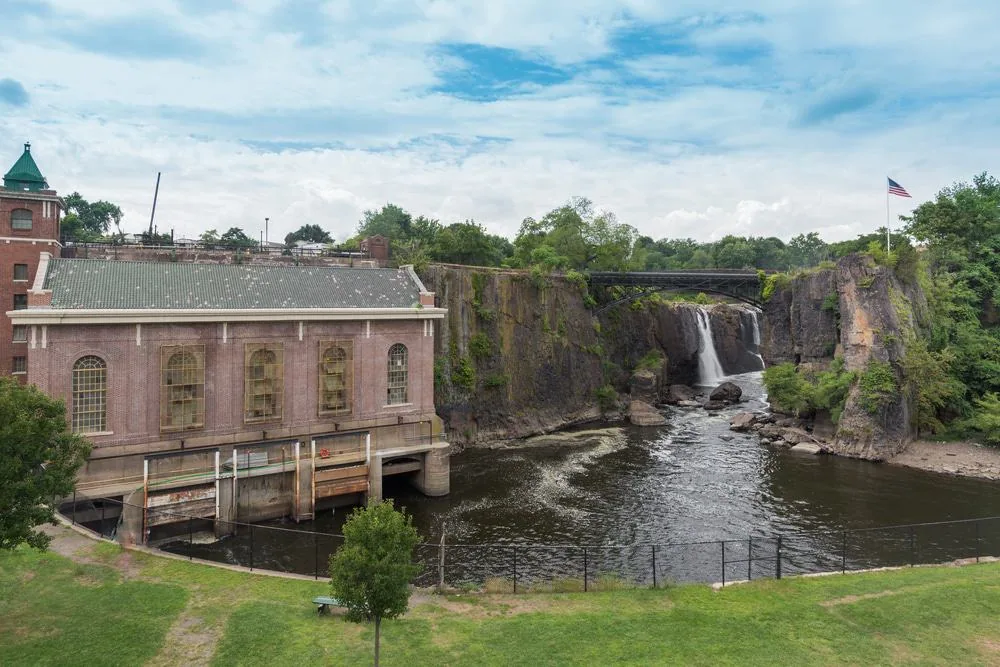
Hospitality Groups
A deteriorated expansion-joint closure above guest rooms can change a hospitality owner's allowance before adjoining roof sheets are replaced. The moving boundary needs a suitable joint assembly, not a rigid patch extending across the opening. For hospitality properties serving Paterson, NJ, we establish the joint's receiving construction and movement requirements before removal is approved. Ownership can decide the reconstruction needed at that connection separately from field renewal, with the affected interior and service period identified for the specific property.
Room availability, roof access and joint construction need a common sequence, but they remain different responsibilities. We examine the actual connection and identify design or component assessment required before permanent material is selected. Roof work above hotel operations follows the space affected by removal rather than a general guest-room assumption. The proposal gives ownership the receiving task, preparation boundary and operating arrangement needed for closure, allowing management to coordinate a defined construction stage instead of reserving an interval for membrane work that cannot complete the joint.

Movement boundary: Establish the replacement construction
A joint closure must accommodate its intended movement while connecting suitable weather boundaries on each side. We examine accessible conditions and identify the project information or assessment needed to define that construction. A split cover can have different receiving requirements from damaged curb material beneath it. Ownership receives the component involved and the supporting task it introduces, keeping the repair allowance connected to the joint assembly rather than selecting a finish that merely conceals the visible gap.
Removal may expose unsuitable insulation, deteriorated backing or another condition at the joint base. We explain the material needing replacement and the revised closing sequence before expanding work. Suitable adjoining roofing can permit contained reconstruction, while broader deterioration changes the field-renewal comparison. The owner sees those quantities separately. Permanent closure follows the receiving assembly established for the moving boundary, with another design or support question settled before installation rather than left hidden beneath a new flexible-looking surface.
Affected rooms: Coordinate the area beneath removal
A joint opening can run over more than one interior space, and access to one room may not provide the arrangement needed for the full task. We identify the affected area with the building representative and discuss suitable protection before removal. Management receives the particular space and period required for investigation and construction. Ownership can then assess the operating arrangement against the measured joint boundary, rather than assume an isolated room closure resolves every interior requirement along a wider receiving opening.
Roofing stages arranged with interior protection need practical end points at adjoining transitions. We establish the area that can be opened and permanently closed within the proposed sequence, with temporary measures defined where another component task remains. The hospitality team can coordinate the affected rooms or service route around that task. A stage remains tied to the actual construction dependency, avoiding an interval that ends with a moving boundary still awaiting its receiving work after the adjoining field sheets have been restored.
Paterson commercial context: Establish the requested roof access
Downtown Paterson's Main and Market Street area forms part of the city's commercial activity. For a requested hospitality property within the broader Downtown Paterson setting, the material route and affected entrances need examination before joint work is scheduled. We identify the access and handling arrangement relevant to the building being assessed. Ownership receives the roof opening and entrance-handling tasks together, allowing management to arrange the affected approach before the joint assembly is disturbed.
West Orange's Pleasantdale area includes restaurants, offices, stores and houses of worship. A requested West Orange hospitality property needs its actual operating space and roof route established separately. We discuss the affected assembly with the representative and identify any component assistance needed at the joint. Management can coordinate the specific receiving and closure task against that property's operation, rather than use the area's commercial mix as evidence that every roof is similarly accessible or every occupied space can be arranged on the same calendar.
Several properties: Keep the joint requirement building-specific
Different properties can have joint assemblies with different receiving heights, construction and movement requirements. We identify the affected building and connection in each requested assessment, even where the hospitality group coordinates approvals centrally. Roofing coordination across a property group can align communication while retaining those individual construction boundaries. Ownership sees the component requiring assessment at one property and the material task at another, allowing the work sequence to follow actual requirements rather than repeat the first joint's quantity across the group.
Coordination through the property manager can establish the contact arranging rooms, roof access and equipment service. We explain the receiving task needing that assistance before the work period is selected. An ownership review of roofing expenditure then compares complete options for the building involved. The group can use a common decision process without assuming that each flexible closure, field membrane and adjoining wall connection permits the same retention choice or removal boundary at every location.
Field renewal: Include the joint consistently in each option
A localized joint reconstruction may preserve surrounding material where the receiving assembly supports it. Broader field renewal can be another choice when deterioration warrants removal. We identify the joint work that remains necessary under either approach. Replacement of the affected roof assembly should include its moving boundaries and transitions, so the owner compares complete construction rather than a full renewal against a smaller repair amount missing the component assessment and receiving work needed at the same connection.
Timing can differ between a joint task completed separately and construction incorporated into wider renewal. We explain preparation that would be repeated and access that remains required in either sequence. Coordination with a renovation construction team may help arrange supporting or adjoining work where the property is undergoing other changes. Ownership can evaluate that actual dependency alongside the operating period, keeping the expenditure decision grounded in included construction rather than a broad claim that combining projects automatically produces a particular saving or completion result.
Completed boundary: Separate roofing closure from other property work
The joint assembly needs its receiving surfaces, weather connections and associated components completed within the agreed scope. We examine the constructed detail and identify any adjoining task still requiring access or temporary protection. Management receives the area ready for normal operation and the specific restriction remaining at unfinished work. That makes release of the affected interior follow the permanent connection completed, rather than the appearance of new field membrane while the moving boundary or another receiving component is still unresolved.
Records of the reconstructed joint and retained roofing identify the construction extent and receiving changes found during exposure. Later inspection should consider movement at the joint, physical disturbance and drainage near the transition. We explain attention appropriate to that connection after service activity. Another concern at a different building needs its own assessment and allowance, preserving a clear distinction between the joint reconstruction purchased here and future roofing decisions elsewhere in the hospitality group.
Commercial Roofing Questions
Why is a moving roof joint different from an ordinary membrane patch?
The connection needs construction suited to its intended movement and receiving surfaces. We establish the relevant assembly and assessment before replacement. Ownership receives the supporting and weather tasks together, preventing a rigid closure or unsuitable component from being selected only because it covers the visible opening.
Can a joint be reconstructed without renewing the adjoining field roof?
Contained work may be practical where suitable material permits complete connections on both sides. We examine the receiving layers and preparation width before defining that boundary. The owner can compare local reconstruction with broader renewal using the joint work consistently in both construction options.
What determines the guest-area arrangements for a planned joint opening?
The actual space beneath removal, access route and receiving tasks need identification. We identify the rooms and handling access required for the joint reconstruction with the building representative. Management can coordinate the affected area against a defined stage, with protection and another completion period identified if a component or assessment delays permanent closure.
Should matching-looking joints at several hospitality properties share one allowance?
Receiving construction and movement requirements may differ. We identify each requested joint and the task required at its building. The group can coordinate decisions centrally while quantities and closing points remain specific to the assemblies assessed, keeping one property's repair from becoming an assumed solution elsewhere.
Define the hospitality property's joint allowance
Send the requested property, affected moving connection, roof information, operating contact and approval date. We will establish the receiving construction and interior arrangements needed to price permanent closure.