
Wind Damage Roof Repair in Paterson, NJ
Assess wind-related roof damage in Paterson with displaced walkway-pad checks, separated membrane repairs and receiving-layer allowances for complete closure.
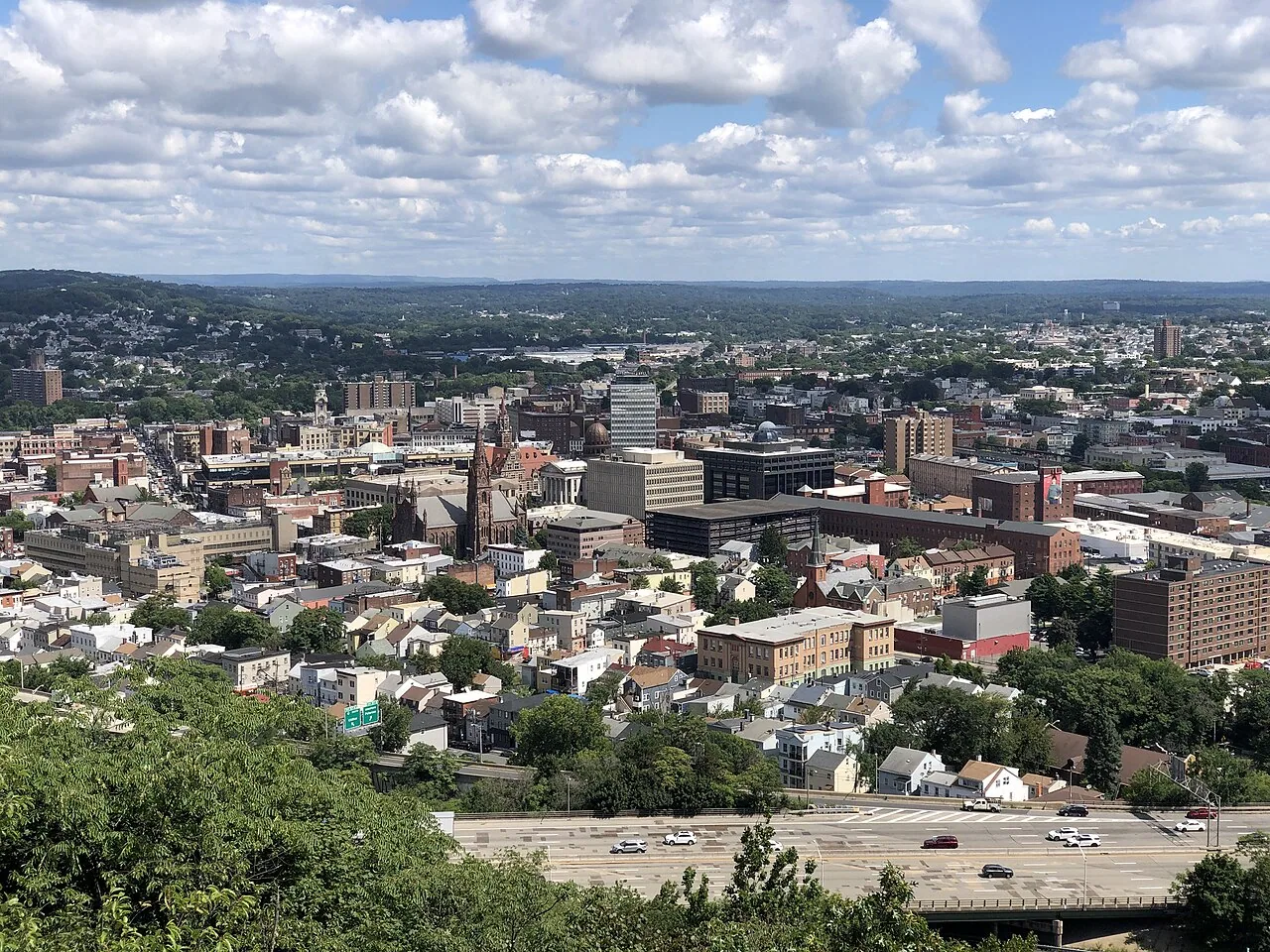
Wind Damage Roof Repair
A loose walkway pad displaced against a pipe flashing can leave the owner choosing between a local membrane repair and reconstruction of the damaged penetration. The contacted detail needs examination before the pad is returned or replacement material covers the affected area. For wind-related roof damage in Paterson, NJ, we identify that repair boundary first. Ownership receives the receiving task and loose component requiring attention, preventing a visible surface repair from leaving the object that damaged it unsecured beside the same connection.
Displaced accessories, open laps and attachment concerns require different construction, even where they are reported after the same weather event. We examine the actual affected assembly and arrange suitable access before removal is approved. Repair of an impact opening in the membrane can stay contained where adjoining material and supporting layers permit it. The proposal identifies the damaged component, investigation and permanent closure required, giving ownership a measured allowance rather than one general wind-repair instruction that merges all visible changes into the same construction quantity.

Loose pad: Examine the contact and retained roofing
A displaced pad can scrape a membrane, strike a penetration or obstruct drainage. We examine the surface it contacted and identify whether the material requires local preparation or removal. The receiving layers and adjoining flashing need assessment where the impact affects their connection. Ownership receives the area suitable for repair and the component task needed before normal roof activity resumes. That keeps the permanent proposal connected to the actual damage rather than assuming every displaced accessory requires renewal of the surrounding field.
The pad's future placement and attachment need to suit the roof assembly and service route. We identify the affected roofing area and coordinate any component decision needed before reinstatement. Another loose item can require removal or assessment independently of the membrane construction. The owner can approve those tasks separately, with the weather connection closed while suitable access remains. A completed patch then does not conceal an unresolved accessory condition or leave a displaced component positioned to disturb the repaired detail during later activity.
Open connection: Define the urgent task and next finding
An exposed membrane opening or damaged flashing may need protection before the permanent quantity is established. We assess accessible conditions and identify a suitable immediate roofing task with the representative. Emergency response is available overnight, through weekends and on holidays as well. Urgent work at an exposed roof connection is recorded distinctly from final construction, allowing ownership to see the area protected and the receiving condition still needing examination before new permanent material is placed.
Loose components can affect the access route and handling area around that task. We identify the condition requiring another component assessment and coordinate the appropriate responsibility. Selected exposure may be necessary before roofing closure can be priced. The owner receives that dependency and suitable interim protection, with a practical construction sequence for the requested assembly. A temporary cover is not treated as the removal boundary or the completed repair, so further work follows the material actually found beneath the affected connection.
Downtown properties: Establish the affected approach
Downtown Paterson includes commercial activity around Main and Market Streets. At a requested property within the broader Downtown Paterson commercial area, displaced material near an entrance or service route can affect how roof examination is arranged. We identify the actual handling and access task with the representative. Ownership receives the approach requiring protection and the contacted penetration needing examination, allowing the representative to coordinate entrance use while displaced material and receiving damage are assessed.
Riverside combines industrial and residential uses near Madison Avenue and Route 20. A requested property in the broader Riverside Paterson setting needs its actual equipment and interior conditions established before damaged material is removed. We examine the affected connection and identify a suitable receiving boundary. The owner can coordinate the working area against that property's operation, with the quantity determined by roofing findings rather than a general assumption that industrial and residential buildings require the same protection or access arrangement.
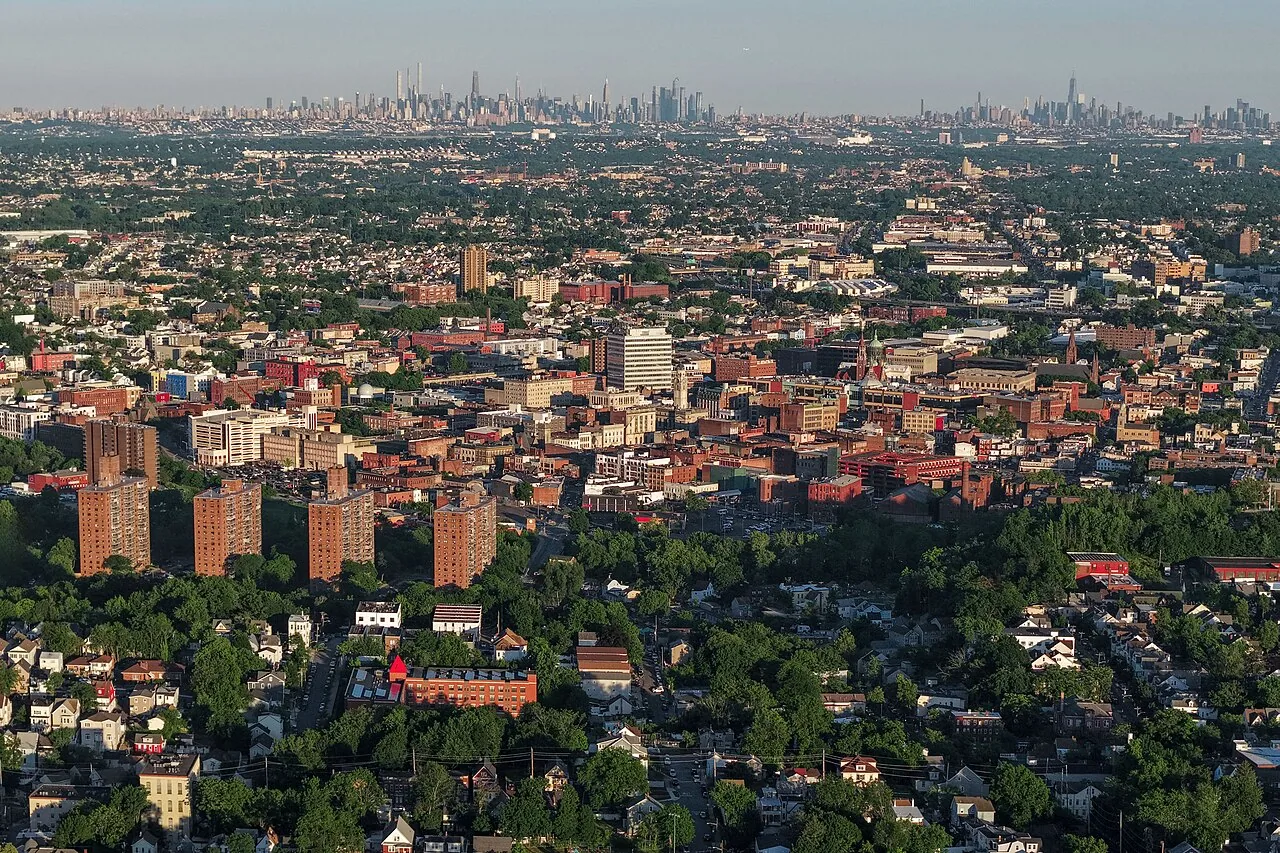
Adjoining assembly: Determine whether removal expands
A contacted flashing can have damage beyond the first visible mark. We examine its termination, base and adjoining membrane, identifying suitable exposure where the receiving question remains concealed. Wet or deteriorated supporting layers can change the allowance. Replacement of affected supporting material needs attachment and detail height considered with the completed connection. Ownership receives those tasks before removal widens, distinguishing the physical damage established in the assembly from a repair boundary selected only by the visible surface contact.
Other attachment concerns may require assessment apart from the struck penetration. We identify the component involved and the information needed before permanent reconstruction is specified. Reconstruction of a failed flashing detail includes preparation of suitable receiving surfaces, not only new finish material. The owner can compare contained work with a wider assembly option where condition warrants it, with component and supporting requirements included consistently so one smaller figure does not leave a necessary task outside the construction being approved.
Service activity: Keep repair access available
A unit or pipe near the impact area may restrict preparation even after the loose pad is removed. We establish the service contact and movement or isolation needed to reach the receiving detail. Roofing preparation beside equipment connections should be completed before reinstatement blocks access. Ownership receives the component dependency alongside the material allowance, allowing the work period to support permanent closure instead of assuming the visible opening can be restored independently of adjoining equipment responsibilities.
Roof work coordinated with occupied-space protection needs the affected interior and material route identified for the task. We discuss suitable arrangements with the representative before removal. The stage can remain contained where receiving work permits a practical closing point, while another condition may change its period. Ownership receives that physical change and its construction consequence, keeping temporary protection distinct from final closure while an equipment task or supporting assessment is arranged for the actual damaged connection.
Finished detail: Separate restored material from other findings
The affected penetration and adjoining membrane need their permanent connections examined before accessories or equipment return to position. We identify the roofing boundary completed and another component still requiring work where applicable. Ownership receives the task ready for release, with temporary protection retained where construction remains unfinished. That ties normal access to the actual detail restored rather than the largest visible patched area while an adjoining termination or component task still prevents complete closure.
Records of displaced components and roof findings identify the material repaired, layers removed and adjoining assembly retained. We explain inspection at the contact area after later service activity, with attention to drainage and movement of nearby components. A new concern elsewhere needs another assessment before removal is authorized. The owner retains a clear distinction between the repair purchased for this impact and the receiving construction required for another damaged or deteriorated area, preventing a general wind-related description from replacing examination of each subsequent condition.
Commercial Roofing Questions
Does a displaced walkway pad mean the surrounding roof needs renewal?
The contact damage and adjoining assembly need examination first. We identify suitable preparation and receiving material for a contained repair where appropriate. Wider removal follows deterioration or damage established in the layers, with the accessory task kept separate from the field quantity.
Why inspect a penetration before the loose component is put back?
The component can obscure preparation at the damaged flashing or membrane. We examine the receiving detail and complete the permanent connection while access remains suitable. Ownership receives reinstatement responsibilities separately, preventing a returned accessory from concealing an area still requiring reconstruction.
What can expand the repair beyond a visible impact mark?
Damaged supporting layers, unsuitable receiving material or a deteriorated termination can change construction. We identify those findings and the additional task before widening removal. The owner can approve a measured revision with the permanent closing point and component dependency explained.
How are temporary protection and permanent wind-related repairs distinguished?
The immediate task and protected area are identified separately from receiving assessment and final material installation. We explain the condition needing further examination. Ownership can coordinate closure based on the assembly found, keeping a temporary cover from being treated as completion or as the final removal quantity.
Related Roofing Work
Define the displaced component and roof allowance
Send the property, affected accessory or flashing, available roof information and decision date. We will examine the receiving connection and establish component tasks and material work needed for complete repair.